Gardening Tips for Wine Lovers: How to Create Your Own Vineyard
Overview
If you love wine, imagine sipping a glass made from grapes you grew yourself. Starting a small backyard vineyard is rewarding and doable for beginners. This guide shares actionable gardening tips for wine lovers on how to create your own vineyard, with inspiration from industry leaders like Jackson Family Wines.
Many wine enthusiasts dream of their own vines. A home vineyard can produce enough grapes for several bottles of homemade wine each year. With the right planning, even a small space can yield great results.
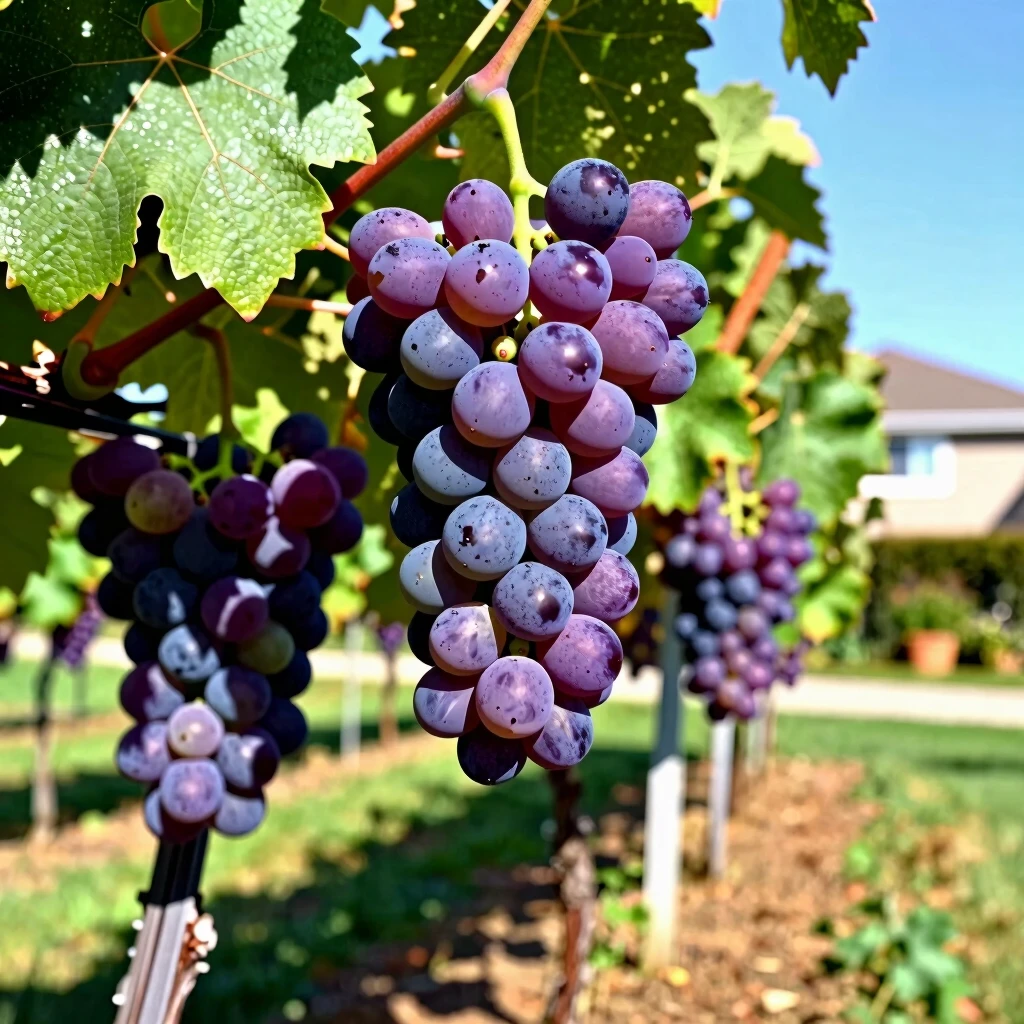
Drawing Inspiration from Jackson Family Wines
The story of Jackson Family Wines shows what's possible with passion and care. Founded by Jess Jackson in the 1970s when he converted a pear orchard into vineyards, the company grew into a family-owned leader known for quality wines like those from Kendall-Jackson.
The history of Jackson Family Wines began in 1974 in Lake County, California. Jess Jackson focused on cool coastal regions, believing the best grapes come from hillsides and benches. Today, the family continues his legacy of sustainable farming and exceptional winemaking.
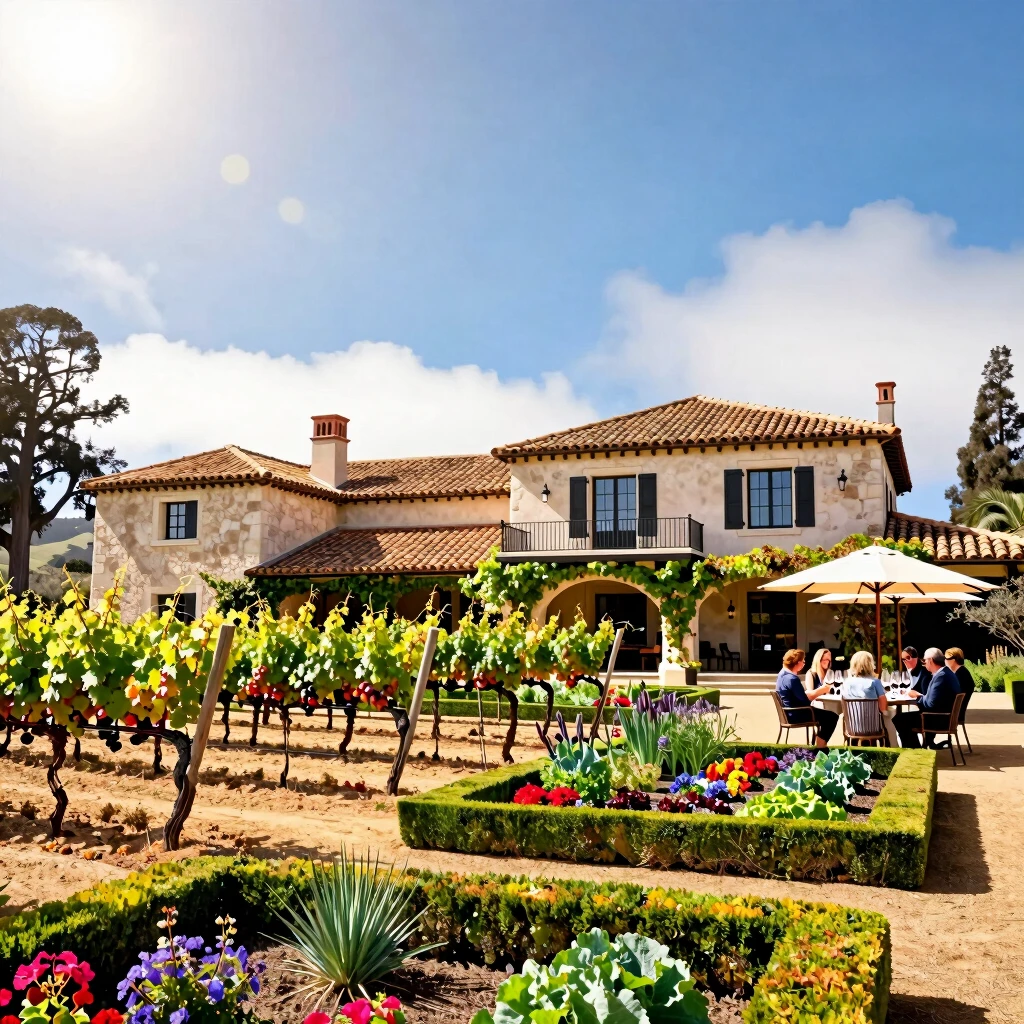
One highlight is the Kendall-Jackson Wine Estate & Gardens in Sonoma County. This stunning property features demonstration vineyards, sensory gardens with herbs and vegetables used in pairings, and beautiful landscapes. Explore the Kendall-Jackson Wine Estate & Gardens to see professional viticulture in action—it offers tastings and tours that inspire home growers.
Jackson Family Wines tasting notes often highlight bright fruit flavors, balance, and terroir expression. Their commitment to sustainability can guide your own eco-friendly vineyard practices.
Step 1: Assess Your Site and Climate
Before planting, check your space. Grapevines need at least 8 hours of full sun daily. Choose a spot with good air circulation to reduce disease risk.
Test your soil. Grapes prefer well-drained soil with a pH between 5.5 and 6.5. Add lime if too acidic or sulfur if too alkaline. Good drainage is key—avoid low spots where water pools.
Consider your climate zone. Cooler regions suit varieties like Pinot Noir, while warmer areas work for Cabernet Sauvignon. Talk to local extension offices or nearby vineyards for advice on what thrives near you.
Step 2: Choose the Right Grape Varieties
Select varieties suited to your region and wine style.
Here are some popular options for home vineyards:
- Chardonnay: Versatile white grape, inspired by Jackson Family Wines' flagship.
- Cabernet Sauvignon: Bold red, great for warmer climates.
- Pinot Noir: Elegant red for cooler areas.
- Merlot: Softer red, easier for beginners.
- Hybrids like Marquette or Frontenac: Cold-hardy for northern zones.
Start with 10-20 vines for a manageable harvest—enough for 5-10 gallons of wine.
| Variety | Best For | Hardiness Zones | Notes |
|---|---|---|---|
| Chardonnay | White wine | 6-9 | Balanced, fruity |
| Cabernet Sauvignon | Red wine | 7-10 | Full-bodied |
| Pinot Noir | Red wine | 5-8 | Delicate, complex |
| Merlot | Red wine | 6-9 | Soft tannins |
| Zinfandel | Red wine | 7-10 | Spicy, bold |
Step 3: Plant Your Vines
Order bare-root vines from reputable nurseries in late winter or early spring.
Dig holes 2-3 feet apart in rows 6-8 feet apart. Plant with the graft union above soil level. Water deeply after planting.
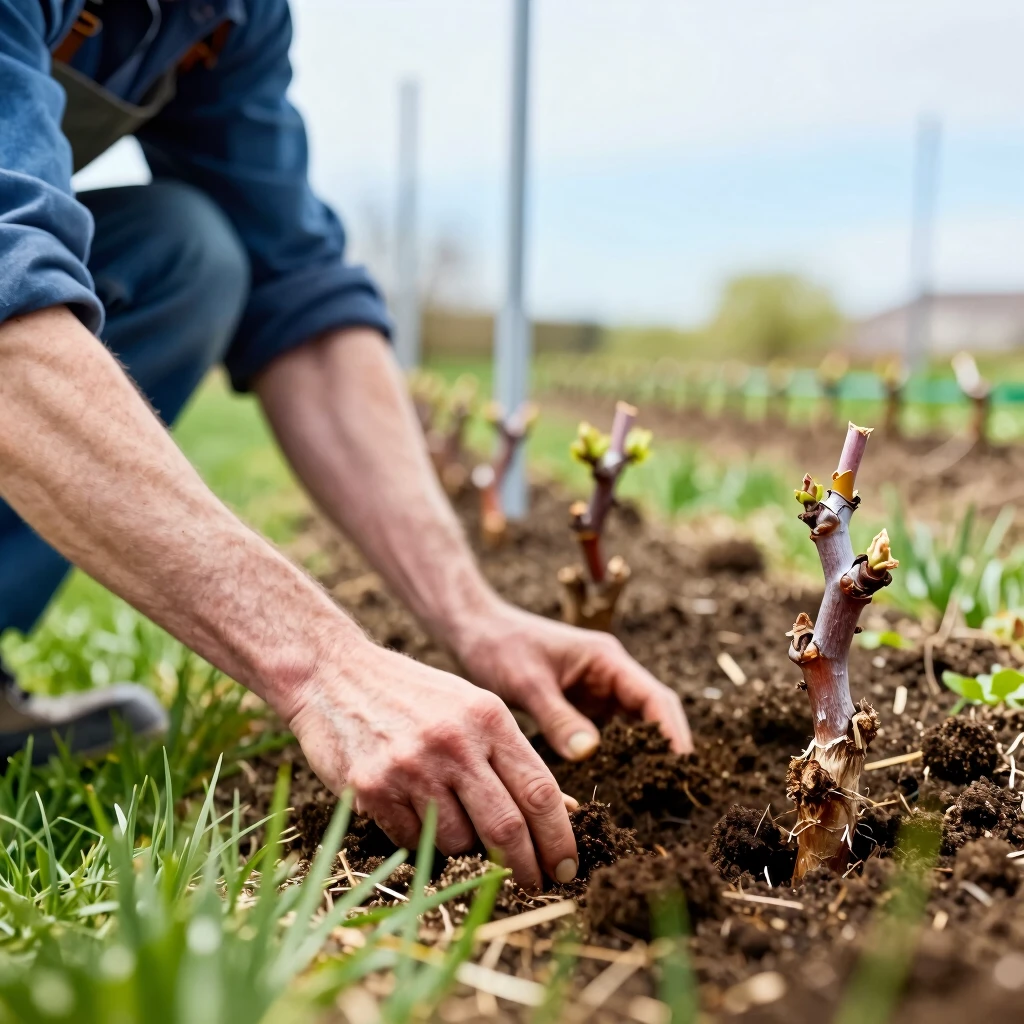
Install a trellis system right away. Simple post-and-wire setups work well for home vineyards. Use treated wood posts and high-tensile wire.
Step 4: Care and Maintenance
Water young vines regularly the first year—drip irrigation is ideal.
Prune annually in late winter. Remove 80-90% of growth to focus energy on fruit. Train vines along the trellis.
Fertilize sparingly; too much nitrogen causes excessive leaves over fruit. Use organic compost.
Monitor for pests and diseases. Encourage beneficial insects and use organic sprays if needed.
Step 5: Harvest and Make Wine
Grapes ripen in fall—taste them to check sweetness. Harvest when flavors peak.
A mature vine yields 6-12 pounds of grapes. Crush, ferment, and bottle your own wine for a true farm-to-table experience.
Starting small builds confidence. Your backyard vineyard can become a source of pride and delicious homemade wine.
Final Thoughts
Creating your own vineyard blends gardening with the joy of winemaking. Draw from experts like Jackson Family Wines for inspiration. With patience, you'll enjoy harvests for years.
Stay sustainable, experiment, and savor the process.