The Evolution of California Chardonnay: From Classic to Contemporary
Overview
California Chardonnay has come a long way. From its early days as rich, buttery wines in the 1970s to today's crisp, fruit-forward styles, this grape tells a story of change and growth. Producers like Jackson Family Wines have played a big role in this shift.
Early Roots in California
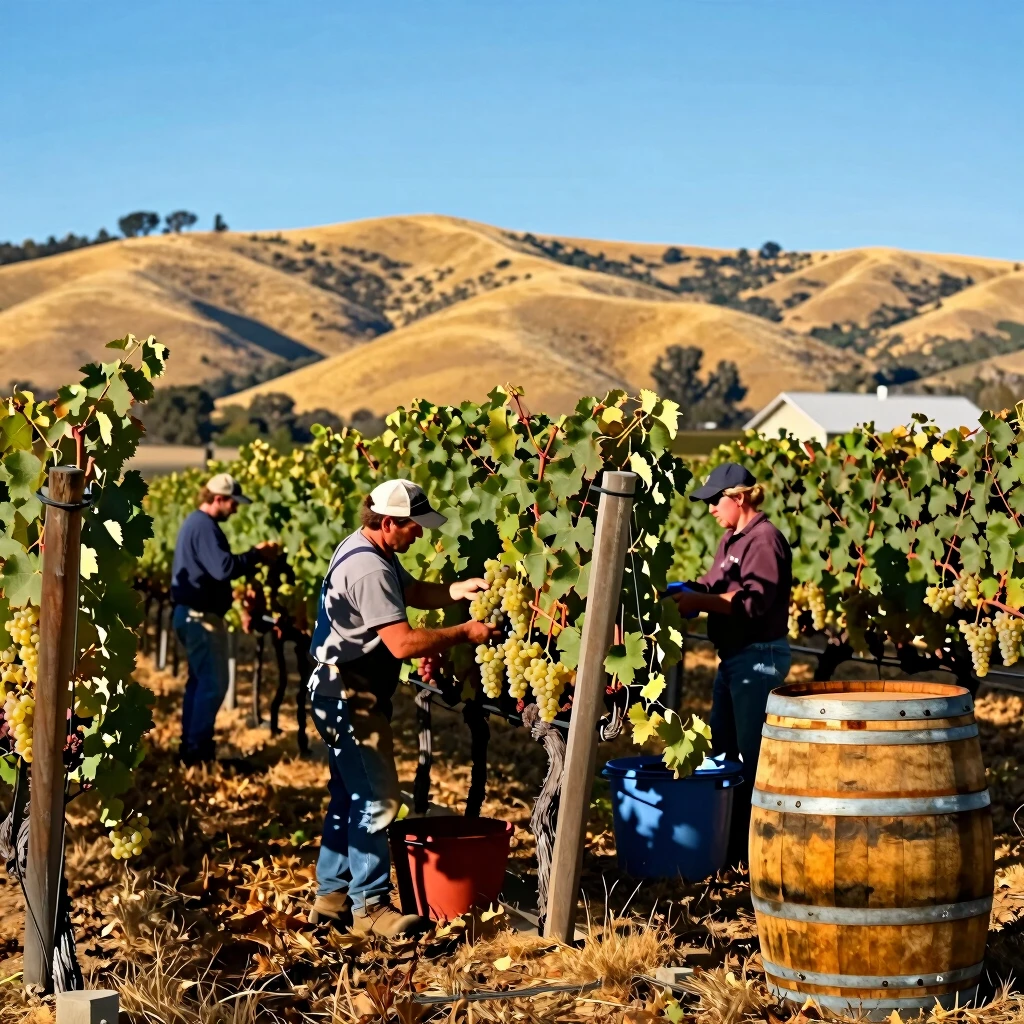
Chardonnay first showed up in California in the late 1800s. Records show Charles Wetmore brought cuttings from France in 1882. But it was the Wente family who really put it on the map. In 1912, they planted what became known as the Wente clone. This clone shaped many California Chardonnays with its ripe fruit flavors.
Before Prohibition, white wines like Green Hungarian ruled. Chardonnay was rare. After Prohibition ended in 1933, winemakers started to experiment. By the 1960s, Chardonnay plantings grew. Napa and Sonoma became hot spots. The warm sun and varied soils helped the grape thrive.
As a wine lover, I've visited old vineyards in Livermore Valley where Wente started. The history feels alive there. It reminds me how one family's work can change an entire industry.
The Classic Era: Bold and Buttery
In the 1970s and 1980s, California Chardonnay hit its stride. Winemakers aimed for big flavors. They used lots of new oak barrels. This gave wines a toasty, vanilla taste. Malolactic fermentation added a creamy, buttery feel.
Think of wines from that time as full-bodied and rich. Tropical fruits like pineapple and mango stood out. Alcohol levels often reached 14% or higher. These styles won fans worldwide. The 1976 Judgment of Paris tasting put California on the global stage. Chateau Montelena's Chardonnay beat French ones.
I remember my first taste of a classic California Chardonnay. It was bold and comforting, like a warm hug. But over time, some drinkers found it too heavy. Critics called it 'over-oaked' or 'butter bombs.' This led to a backlash in the 1990s.
Here's a quick look at classic traits:
- Oak Influence: Heavy use of new barrels for toasty notes.
- Fruit Profile: Ripe tropical fruits.
- Texture: Creamy from malolactic fermentation.
- Alcohol: Often high, adding body.
The Shift Begins
By the early 2000s, tastes changed. People wanted lighter wines. Winemakers picked grapes earlier to keep acidity high. They used less oak or switched to stainless steel tanks. This kept flavors fresh and bright.
Regions mattered more. Sonoma's cool fog made elegant wines. Napa's warmth brought power. Places like Russian River Valley shone with their unique soils.
One key change was the 'ABC' movement – Anything But Chardonnay. It pushed producers to innovate. They focused on single vineyards and natural methods. Alcohol dropped below 13% in some cases.
From my trips to wine country, I've seen this evolution firsthand. Tasting rooms now offer side-by-side comparisons of old and new styles. It's eye-opening how the same grape can vary.
Contemporary Styles: Balance and Place
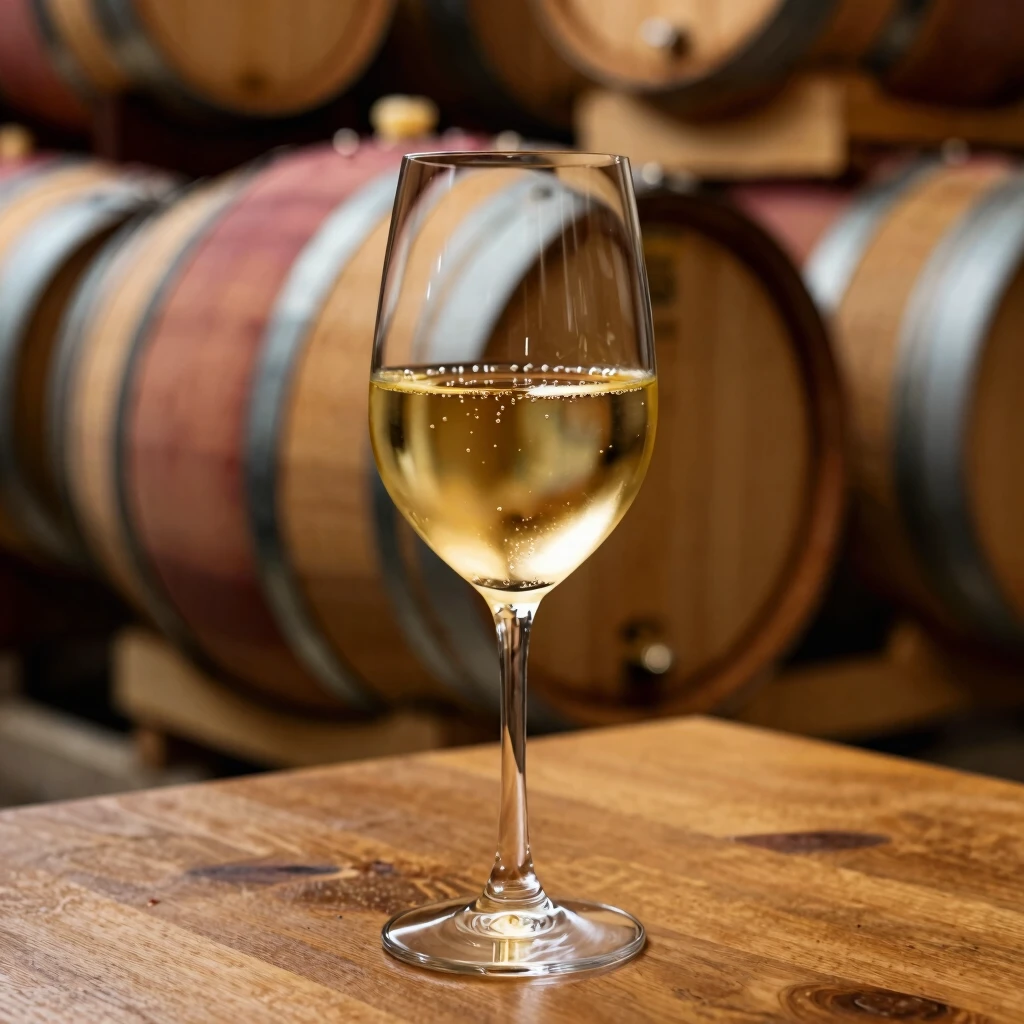
Today's California Chardonnay strikes a balance. It's not too oaky or too lean. Winemakers blend old and new techniques. They use some oak for depth but keep fruit pure.
Cool-climate areas like Santa Barbara produce zesty wines with citrus and apple notes. Warmer spots add stone fruit. Many wines show minerality from the soil.
Sustainability is big now. Organic farming and less intervention make cleaner wines. The pendulum has settled in the middle, as one expert said.
I love how modern Chardonnays pair with food. A crisp one goes great with seafood. A richer style matches chicken or cheese.
Top regions for contemporary Chardonnay:
| Region | Key Traits | Example Flavors |
|---|---|---|
| Sonoma | Cool, elegant | Green apple, lemon |
| Napa | Full, sunny | Peach, vanilla |
| Santa Barbara | Bright, mineral | Citrus, salinity |
These changes make California Chardonnay exciting again.
Spotlight on Jackson Family Wines
No talk about The Evolution of California Chardonnay: From Classic to Contemporary is complete without Jackson Family Wines. This group owns many top wine brands. They focus on quality and place.
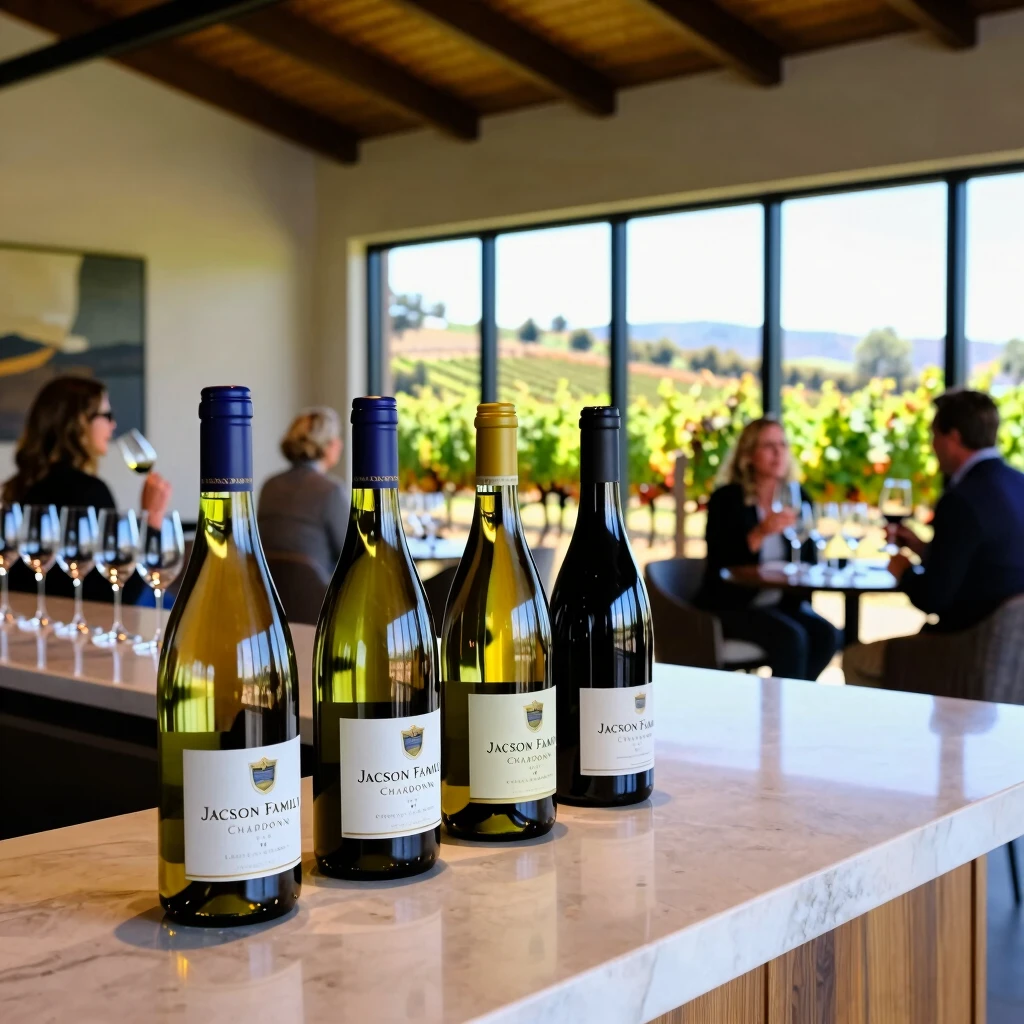
Kendall-Jackson stands out. Their Vintner's Reserve Chardonnay is America's top seller. It blends grapes from across California for a consistent, approachable taste. Reviews praise its tropical fruits and smooth finish.
Look at Jackson Family Wines wine reviews – many score 90+ points. The Grand Reserve Chardonnay gets nods for its layered flavors. Cambria Estate offers citrus and mineral notes in their benchland wines.
As someone who's tried several Jackson Family Wines, I appreciate their range. From everyday pours to special bottles, they cover it all. Their commitment to sustainable farming adds to the appeal.
Other brands under Jackson Family Wines include La Crema and Hartford Court. Each brings something unique to Chardonnay. La Crema's Russian River version is fresh and vibrant.
Personal Insights and Tips
Over years of tasting, I've learned to appreciate both styles. Start with a classic like Kendall-Jackson to understand the roots. Then try a contemporary one from DuMOL or Aubert for contrast.
When buying, check labels for oak use. Words like 'unoaked' mean lighter styles. Serve chilled but not too cold – around 50°F brings out flavors.
Pairing ideas: - Classic: Creamy pasta or lobster. - Contemporary: Grilled fish or salads.
This evolution shows how wine adapts to tastes. It keeps things fresh for drinkers.
Wrapping Up
California Chardonnay has evolved from bold classics to balanced contemporaries. Thanks to innovators like Jackson Family Wines, it stays popular. Whether you prefer oaky or crisp, there's a style for you. Explore and find your favorite.