Unveiling the Beringer Wine Production Process: From Vine to Bottle
Overview
Beringer, one of America's top wine brands, has perfected its wine production process over nearly 150 years. From Napa Valley vineyards to bottling, every step ensures quality and flavor that wine lovers cherish.
When you sip a glass of Beringer wine, you're tasting history and craftsmanship. As a wine enthusiast who's explored many vineyards, I always appreciate how Beringer blends tradition with innovation. This article dives into the Beringer wine production process, showing why it's a standout among wine brands.
The Roots of Beringer: A Quick History
Beringer started in 1875 when brothers Jacob and Frederick Beringer bought land in St. Helena, Napa Valley. Jacob, inspired by his German roots, aimed to make wines rivaling Europe's best. They built a stone winery using gravity flow, a smart way to move wine without pumps. This setup, completed in 1877, included tunnels dug by hand for cool aging.
During Prohibition from 1920 to 1933, Beringer survived by making sacramental wines and shipping dried grapes. After repeal, they led Napa's revival, offering the first public tours in 1934. Today, Beringer remains the oldest continuously operating winery in Napa Valley.
For more on Napa's wine history, check out the Napa Valley Vintners' timeline, which highlights early pioneers like Beringer.
Step 1: Growing the Grapes
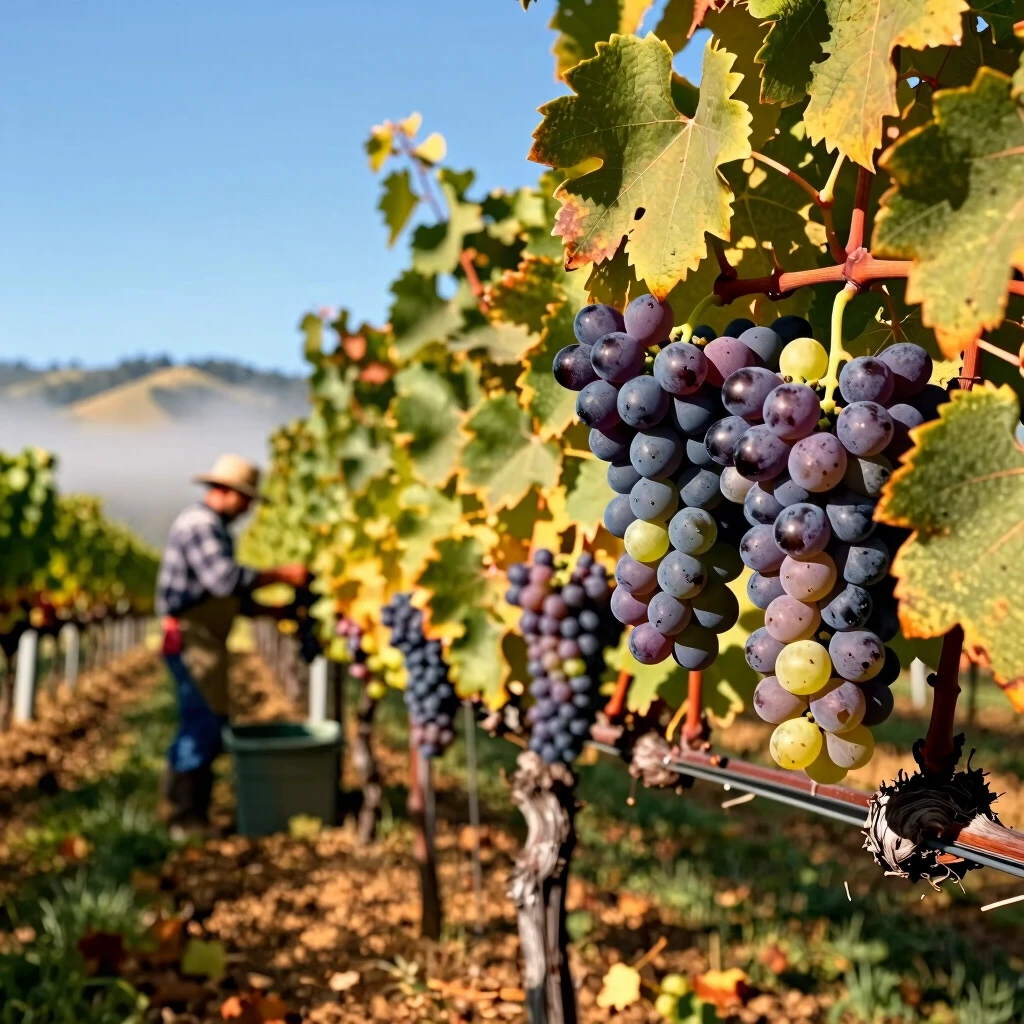
The Beringer wine production process begins in the vineyards. Beringer sources grapes from prime Napa spots like St. Helena, Knights Valley, and Howell Mountain. These areas offer varied soils and climates, perfect for grapes like Cabernet Sauvignon, Chardonnay, and Merlot.
Farmers monitor vines year-round. They prune in winter, manage canopies in summer to let sun ripen fruit evenly. Beringer focuses on sustainable practices, like using cover crops to boost soil health. As Bob Steinhauer, a former vineyard manager, said, they treat grapes like 'diamonds' to polish later.
I've walked similar vineyards, and the morning fog in Napa really helps grapes develop complex flavors without over-ripening.
Step 2: Harvest Time
Harvest kicks off in late summer or early fall. Teams hand-pick grapes at peak ripeness, often at night to keep them cool. This prevents unwanted fermentation before crushing. For Beringer's Private Reserve wines, they select only the best clusters.
Timing matters hugely. Winemakers taste grapes daily to check sugar and acid levels. In 2023, for instance, Chardonnay grapes were picked from October 8 onward for balanced acidity.
Step 3: Crushing and Pressing
Once at the winery, grapes get sorted to remove leaves or unripe berries. Red grapes like Cabernet are crushed gently to break skins but not seeds, which could add bitterness. White grapes, such as Chardonnay, go straight to press to extract juice without skin contact.
Beringer uses modern equipment but honors old methods. Their gravity-flow system lets juice flow down to fermentation tanks naturally.
Step 4: Fermentation
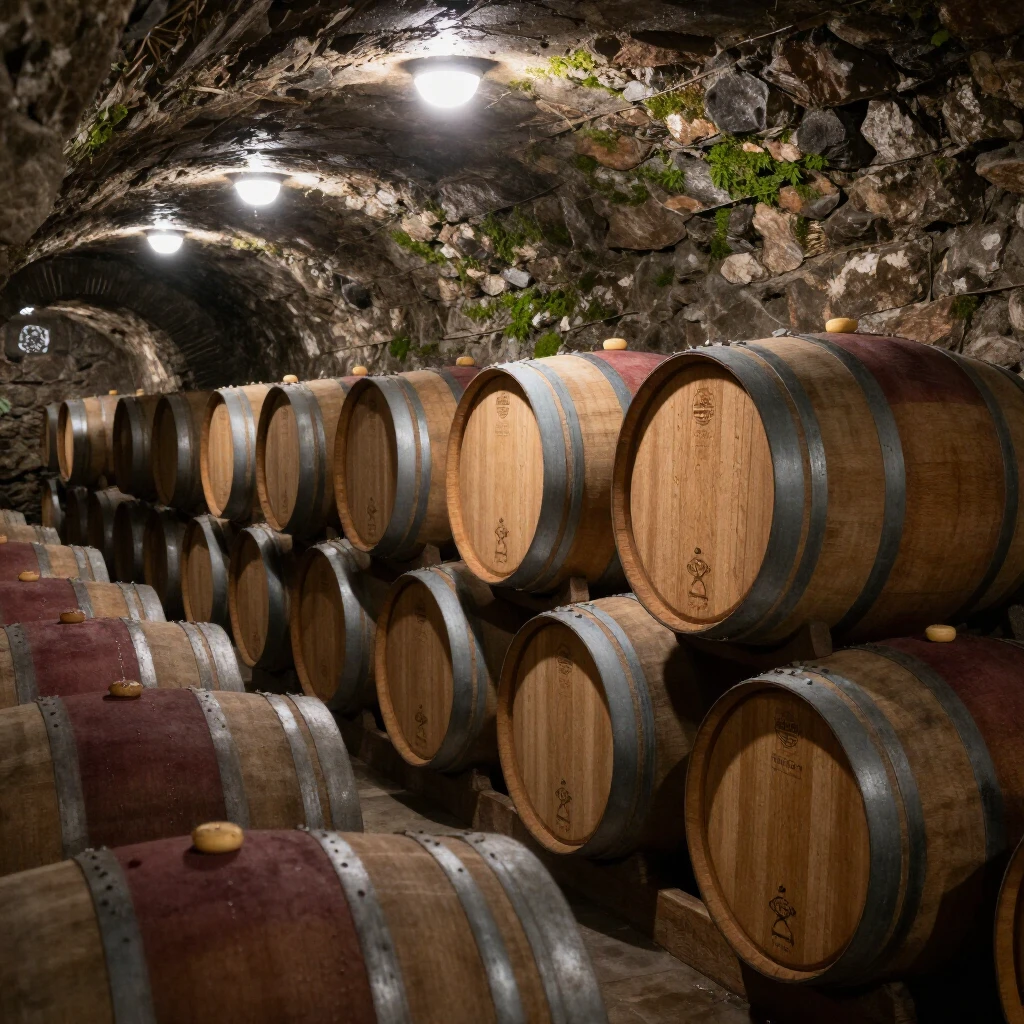
Fermentation turns grape juice into wine. Yeast eats sugars, producing alcohol and carbon dioxide. For whites like Chardonnay, Beringer ferments in French oak barrels—50% new for richness. This lasts about 8 months.
Reds ferment with skins for color and tannins. Beringer pioneered French oak fermentation for Cabernet in 1977, enhancing flavors.
To understand fermentation better, see the UC Davis guide on fermentation management, which explains how yeast populations ensure smooth processes.
In my experience, good fermentation brings out those berry notes in Beringer reds that pair so well with steak.
Step 5: Aging the Wine
After fermentation, wines age in barrels or tanks. Beringer's tunnels keep a steady 58°F, ideal for slow maturation. Reds might age 18-24 months in oak, gaining vanilla and spice hints.
Winemakers like Margo Van Staaveren, with over 45 years at Beringer, taste regularly to decide when it's ready. She blends batches for balance.
Step 6: Blending and Bottling
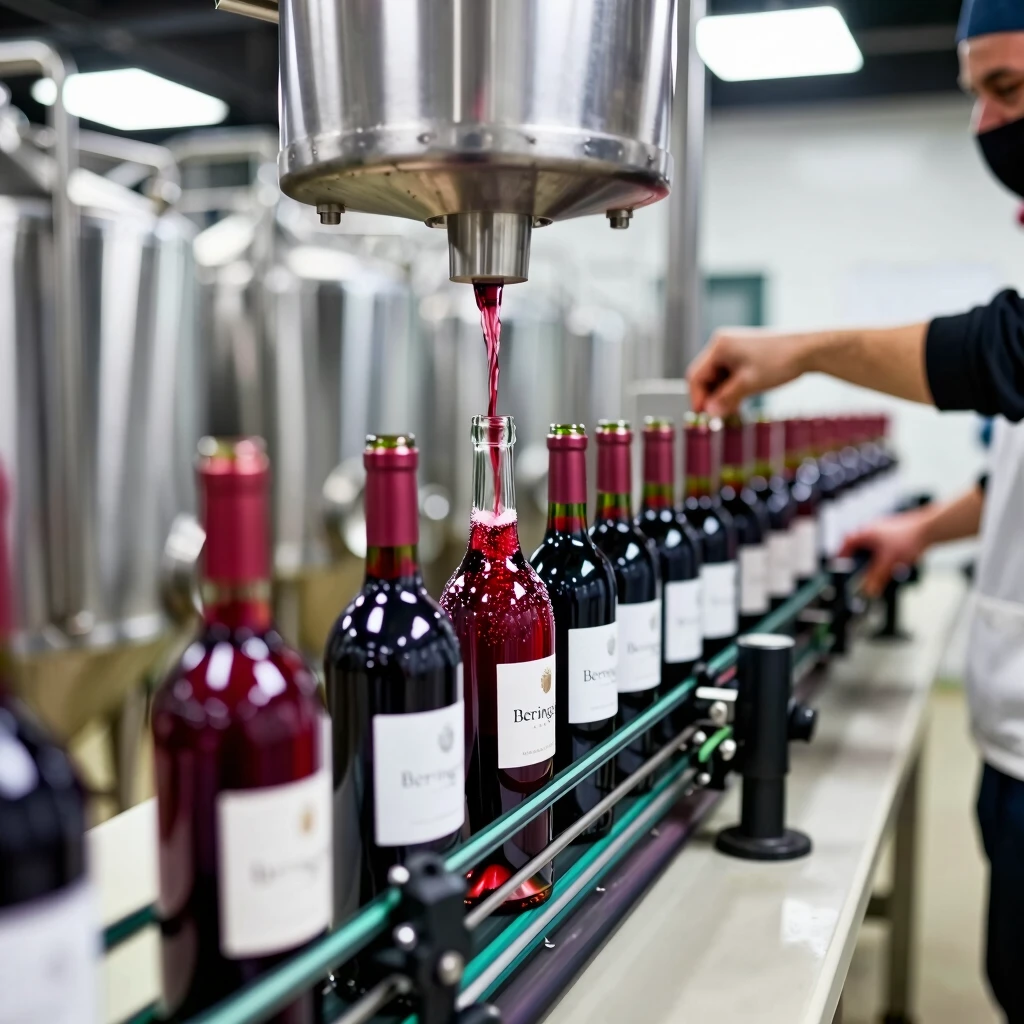
Blending is an art. The team mixes wines from different vineyards for complexity. Once perfect, wine gets filtered if needed, then bottled. Beringer uses cork or screw caps based on the style.
Quality checks happen throughout. Bottles rest before shipping to let flavors settle.
Unique Aspects of Beringer
Beringer stands out among wine brands for innovations. They created the botrytized 'Nightingale' wine in the 1970s, mimicking French Sauternes. Their research program since 1989 tests new techniques.
They've won big awards, like Wine Spectator's #1 for both red and white wines—a first.
For deeper insights into Napa's unique terroir, read the GuildSomm expert guide on Napa Valley.
Here's a quick table of key Beringer winemakers and their contributions:
| Winemaker | Years | Key Contribution |
|---|---|---|
| Jacob Beringer | 1875-1911 | Founded winery, built gravity-flow system |
| Myron Nightingale | 1971-1984 | Pioneered late-harvest wines |
| Ed Sbragia | 1984-2000 | Advanced blending techniques |
| Laurie Hook | 2000-2015 | Emphasized vineyard intuition |
| Margo Van Staaveren | 2025-present | Focuses on expressive, age-worthy wines |
Tips for Wine Lovers
Visit Beringer for tours—they started them! Taste their Private Reserve Cabernet; it's bold yet smooth. Pair it with cheese or dark chocolate.
Store bottles horizontally in a cool spot. Beringer wines age well, so buy extras.
Wrapping Up
The Beringer wine production process showcases dedication from vine to bottle. This wine brand continues to innovate while honoring its roots, delivering wines that impress. Next time you pour a Beringer, think of the care behind it.