UC Davis Wine Fermentation Guide: Expert Strategies for Flawless Wine Production Like Beringer
If you love great wine, you know the magic happens during fermentation. The UC Davis Wine Fermentation Guide - https://wineserver.ucdavis.edu/industry-info/enology/fermentation-management-guides/wine-fermentation stands as one of the most trusted resources for winemakers worldwide. It breaks down every step to help you create balanced, flavorful wines without guesswork.
Whether you run a commercial winery or make wine at home, this guide delivers practical advice rooted in science. Top wine brands like Beringer follow similar principles in their Beringer wine production process. They turn simple grape juice into complex, award-winning bottles that delight wine lovers everywhere.
In this comprehensive article, we will walk through the key insights from the UC Davis guide. You will gain actionable tips on yeast selection, temperature control, nutrient management, and troubleshooting. We will also see how Beringer and other leading wine brands put these ideas into practice for consistent quality.
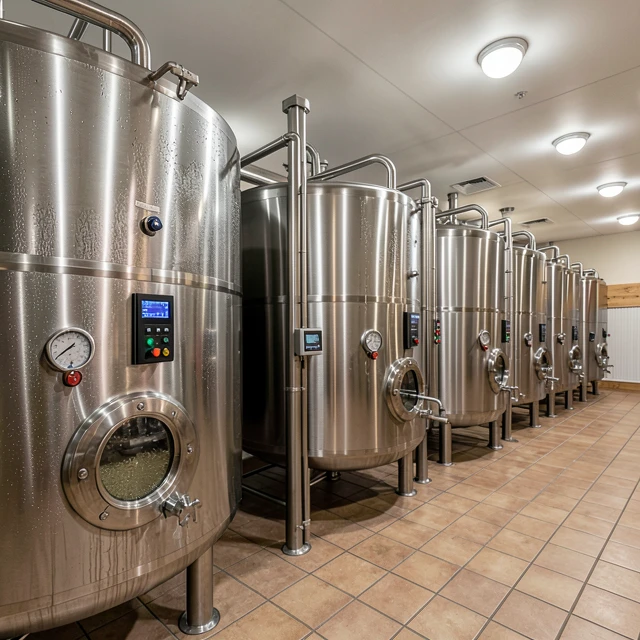
Fermentation turns grape sugars into alcohol and carbon dioxide through yeast activity. The UC Davis Wine Fermentation Guide emphasizes building a strong yeast population early to finish the job completely. This prevents off-flavors and ensures the wine reaches its full potential.
You have two main choices: inoculated or uninoculated fermentations. Inoculated means adding a commercial yeast strain right away. Uninoculated relies on natural yeasts from the grapes and winery. The guide notes that inoculated ferments usually start faster and finish more reliably, especially in challenging conditions.
Beringer often uses a mix of approaches in their Beringer wine production process. For white wines, they favor temperature-controlled stainless steel tanks to keep fresh fruit flavors intact. Red wines may see oak barrel fermentation for added complexity. These choices mirror the guide’s advice on matching yeast to wine style.
Choosing the right yeast strain matters a lot. Look for strains with strong ethanol tolerance, good temperature range, and low off-flavor production. The guide lists desirable traits such as predictable fermentation speed and the ability to work well with malolactic bacteria later on.
Here is a quick comparison of key yeast traits based on UC Davis recommendations:
| Trait | Why It Matters | Example Benefit |
|---|---|---|
| Ethanol Tolerance | Handles high sugar grapes | Completes fermentation in strong wines |
| Temperature Range | Adapts to your setup | Prevents stuck ferments in cool or warm conditions |
| Nutrient Needs | Matches grape chemistry | Reduces need for heavy supplementation |
| Aroma Production | Creates desired flavors | Adds complexity without defects |
Nutrient additions play a huge role too. Grape juice provides sugars but often lacks enough nitrogen, vitamins, and minerals for healthy yeast growth. The guide recommends checking yeast assimilable nitrogen (YAN) levels before starting. Aim for 200-300 mg/L depending on your Brix reading.
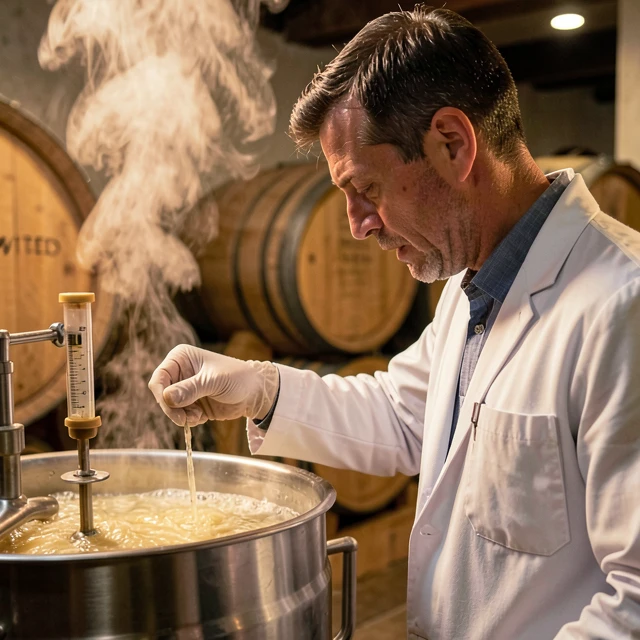
Add nutrients at the right time. The first dose goes in after yeast rehydration or within 24-48 hours. A second addition around one-third sugar depletion keeps the yeast thriving. Overdoing nutrients can actually reduce aroma complexity, so follow the guide’s balanced approach.
Temperature control separates good wine from great wine. White wines ferment best below 59°F (15°C) to preserve delicate aromas. Reds do well between 68-86°F (20-30°C) for better color and tannin extraction. Beringer excels here by using jacketed tanks that maintain steady temperatures throughout their Beringer wine production process.
Oxygen management matters early on. A small amount of air helps yeast build strong cell membranes for ethanol tolerance. Later, limit oxygen to avoid oxidation. The UC Davis guide stresses gentle pump-overs or punch-downs for reds to mix the cap without stressing the yeast.
pH and sulfur dioxide levels also influence success. Keep pH below 3.8 for microbial stability. Proper SO2 protects against spoilage while allowing your chosen yeast to dominate. These details explain why wine brands like Beringer produce such reliable results year after year.
Even with perfect planning, problems can pop up. The guide dedicates an entire section to diagnosing and fixing sluggish or stuck fermentations. Common causes include low nutrients, extreme temperatures, or high initial sugar levels.
If fermentation slows, check temperature first. Warming a cool tank often restarts activity safely. For nutrient shortages, add a balanced supplement immediately. In tough cases, a fresh yeast starter can rescue the batch.
Prevention beats cure every time. Start with clean fruit, sanitize equipment thoroughly, and monitor daily with a hydrometer or refractometer. Track Brix drop and temperature. Early intervention keeps small issues from becoming big headaches.
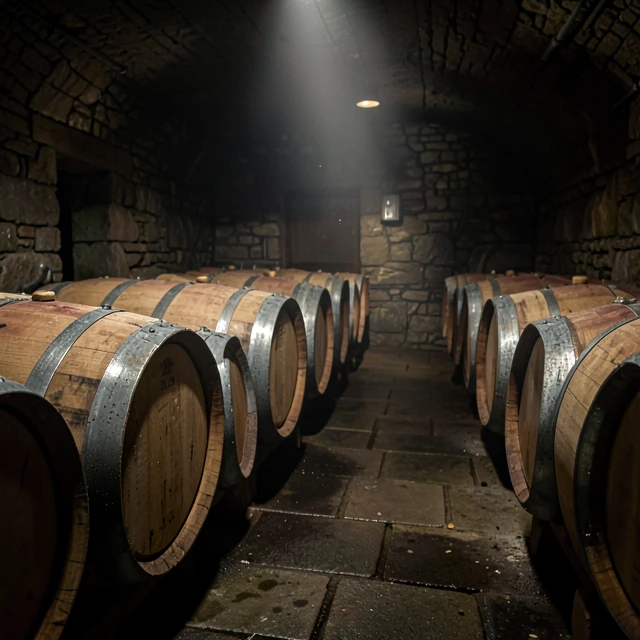
Many winemakers share personal stories of their first stuck fermentation. I remember helping a small producer restart a Cabernet that had stalled at 8 Brix. Following UC Davis protocols—proper yeast rehydration, nutrient timing, and gentle warming—saved the vintage. The final wine showed beautiful dark fruit notes with no off-flavors.
Beringer demonstrates these principles on a grand scale. Their historic gravity-flow winery in Napa reduces mechanical stress on the wine. Modern temperature controls and careful yeast management help them craft everything from crisp Chardonnays to bold Cabernets that consistently earn high scores.
The UC Davis Wine Fermentation Guide also covers off-character prevention. Hydrogen sulfide smells like rotten eggs and often stems from stressed yeast. Avoid it by maintaining nutrients and oxygen early. Volatile acidity can ruin a wine too, so keep everything clean and cool where possible.
For deeper reading on yeast nutrition, check this excellent resource from UC experts: Best fermentation management practices from UC ANR. It expands on YAN targets and strain-specific needs.
Virginia Tech’s enology team offers another solid perspective: Enology Notes on fermentation challenges. Their insights on volatile acidity sources complement the UC Davis recommendations perfectly.
In summary, the UC Davis Wine Fermentation Guide gives you a complete roadmap to consistent success. By applying its principles—smart yeast choices, precise timing, and vigilant monitoring—you can produce wines that rival those from renowned brands like Beringer.
Start small, track your results, and adjust based on each vintage. Whether you make five gallons or five thousand, these time-tested strategies will elevate your winemaking game and help you create bottles worth sharing.