The Art of Winemaking: How Terroir Shapes Flavor
The Art of Winemaking: How Terroir Shapes Flavor reveals the hidden forces that turn simple grapes into unforgettable wines. Terroir combines soil, climate, and landscape to create each bottle’s unique taste. This guide shows you why these elements matter and takes you on a virtual journey through top vineyards.
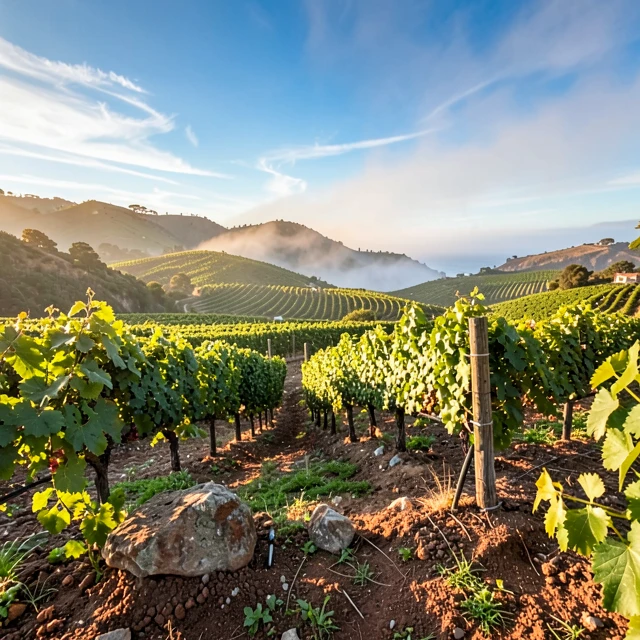
You might sip a glass of white wine and notice bright citrus notes or a hint of minerality. Those flavors do not happen by chance. They come straight from the land where the grapes grew. Winemakers call this connection terroir, and it stands at the heart of great wine.
Terroir includes everything that surrounds the vine: the type of soil, the local weather patterns, the slope of the hill, and even the nearby plants and animals. These factors work together like ingredients in a recipe. Change one, and the final wine tastes different.
Why Terroir Matters in Wine becomes clear when you compare two bottles of the same grape variety grown in different places. One might taste crisp and mineral-heavy while the other feels rich and fruity. The difference comes from the land itself.
Scientists have studied this for decades. According to Texas A&M University’s guide to the concept of terroir in viticulture, terroir forms an interactive ecosystem where vine growth, grape ripening, and wine quality respond to the surrounding environment.
Think about climate first. In cooler areas, grapes keep higher acidity and develop delicate aromas. Warmer spots push ripeness, creating fuller body and sweeter fruit flavors. Sunlight hours, rainfall, and wind all play roles too.
Soil acts as the vine’s pantry. Sandy soils drain fast and produce lighter wines with bright fruit. Clay holds water and nutrients, leading to richer, more structured wines. Limestone adds a distinctive mineral edge that many wine lovers crave.
Topography matters just as much. Vines on slopes catch more sun and enjoy better air flow, which reduces disease and concentrates flavors. Elevation changes temperature, so high vineyards often yield wines with vibrant acidity.
These elements combine to give every wine its sense of place. When you taste a bottle that truly reflects its origin, you experience the land in liquid form.
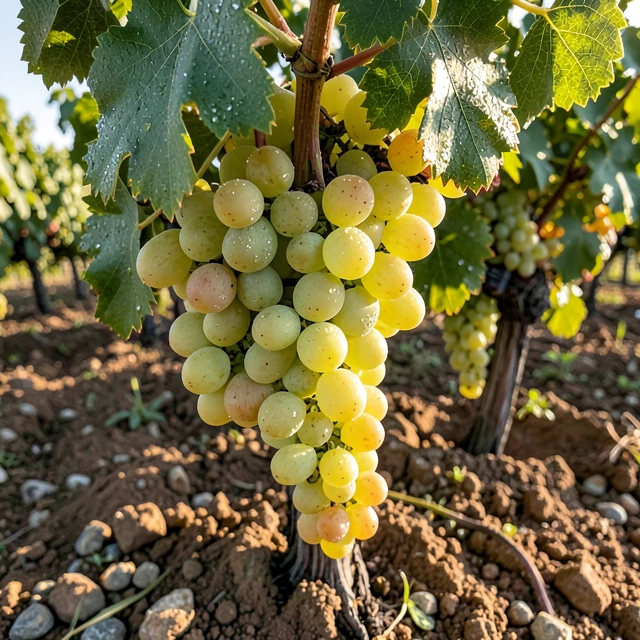
Jackson Family Wines understands this better than most. Their approach shows how careful site selection brings out the best in each vineyard. Exploring the Vineyards of Jackson Family Wines: A Virtual Tour lets you see terroir at work across some of the world’s finest growing regions.
Picture yourself in Sonoma County on a cool morning. Fog from the Pacific rolls in, keeping temperatures moderate. Jackson Family Wines owns estates here where Chardonnay grapes thrive. The well-drained soils and marine influence create wines with crisp acidity and notes of green apple and lemon.
Travel south to Monterey and you find warmer days balanced by ocean breezes. The rocky, sandy soils force vines to dig deep for water. This stress produces concentrated flavors in Jackson Family Wines white wines, often showing layers of peach and honey with a clean finish.
Head north to Oregon’s Willamette Valley and the story changes again. Cooler nights and volcanic soils deliver bright acidity and earthy undertones. Jackson Family Wines properties here focus on Pinot Noir but also craft elegant white wines that highlight the region’s unique balance.
Each stop on this virtual tour reveals how Jackson Family Wines chooses sites that express their own character. They avoid forcing grapes into a single style. Instead, they let the land speak through the wine.
The Jackson Family Wines white wine collection perfectly demonstrates this philosophy. Their Chardonnays range from bright and unoaked styles that celebrate fruit to richer barrel-fermented versions that highlight oak and terroir together.
Sauvignon Blancs from their cooler sites burst with grapefruit and herbal notes thanks to the gravelly soils and steady breezes. These wines stay refreshing and food-friendly, showing how terroir creates balance.
I remember my first tasting of a Jackson Family Wines Chardonnay from the Russian River Valley. The way the cool climate preserved acidity while the alluvial soils added subtle nuttiness felt like the land itself was in the glass. That experience made me appreciate how intentional vineyard choices shape every sip.
You can taste terroir too. Next time you open a bottle, notice the finish. Does it linger with mineral notes? That often points to limestone or volcanic soil. Bright acidity usually signals a cooler climate.
Here is a quick guide to common soil types and their flavor impacts:
| Soil Type | Flavor Impact | Example Regions |
|---|---|---|
| Limestone | Crisp, mineral, high acidity | Parts of California coastal ridges |
| Clay | Rich, full-bodied, smooth texture | Warmer inland valleys |
| Gravel/Sand | Bright fruit, lighter body, good drainage | Monterey and Sonoma estates |
| Volcanic | Earthy, complex, structured | Oregon vineyards |
Jackson Family Wines white wine collection often features wines from these varied soils, giving you a chance to compare and learn. Their commitment to sustainable farming protects the terroir for future generations.
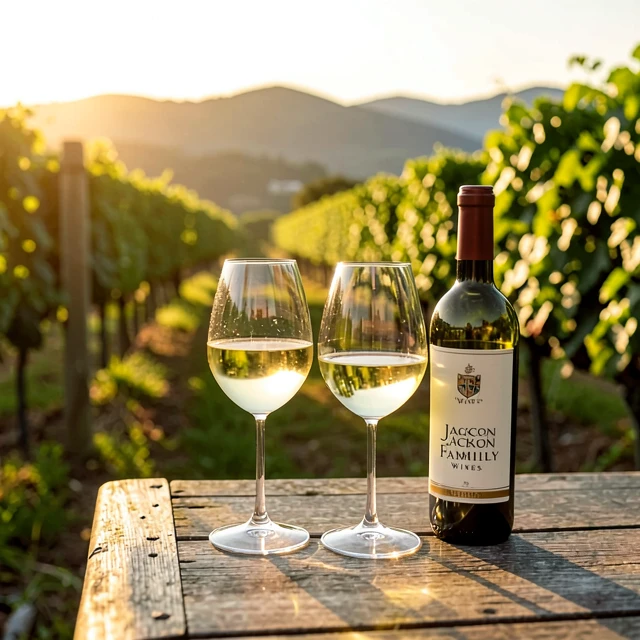
To appreciate terroir at home, try this simple exercise. Buy three Chardonnays from different regions. Taste them side by side and note the differences in acidity, fruit intensity, and finish. You will start to recognize how location shapes flavor.
Winemakers at Jackson Family Wines take this even further. They walk the vineyards daily, adjusting practices to let each site shine. They limit irrigation in dry years to stress vines just enough for concentrated flavors.
This hands-on approach turns science into art. It proves that great wine comes from understanding and respecting the land rather than overpowering it.
In the end, The Art of Winemaking: How Terroir Shapes Flavor reminds us that every great bottle tells a story of place. Whether you explore Jackson Family Wines vineyards or your local shop, pay attention to where the grapes grew. Your next favorite wine may be waiting in a glass that captures an entire landscape.
Terroir connects us to the earth in a way few other foods can. By choosing wines that express their origin, you support sustainable practices and enjoy more interesting flavors. The next time you raise a glass of Jackson Family Wines white wine, remember the soil, sun, and breeze that made it special.