The History of Winemaking: From Ancient Times to Modern Day
Wine has delighted humans for thousands of years. It brings people together at celebrations, pairs perfectly with meals, and tells stories of the land where grapes grow. The History of Winemaking: From Ancient Times to Modern Day shows how a simple fermented drink became one of the world's most loved beverages.
From clay jars in ancient Georgia to high-tech wineries today, winemaking reflects human creativity and connection to nature. In this article, we will travel through time, visit famous wine regions, and look at how family businesses like Jackson Family Wines continue the tradition with quality and care.
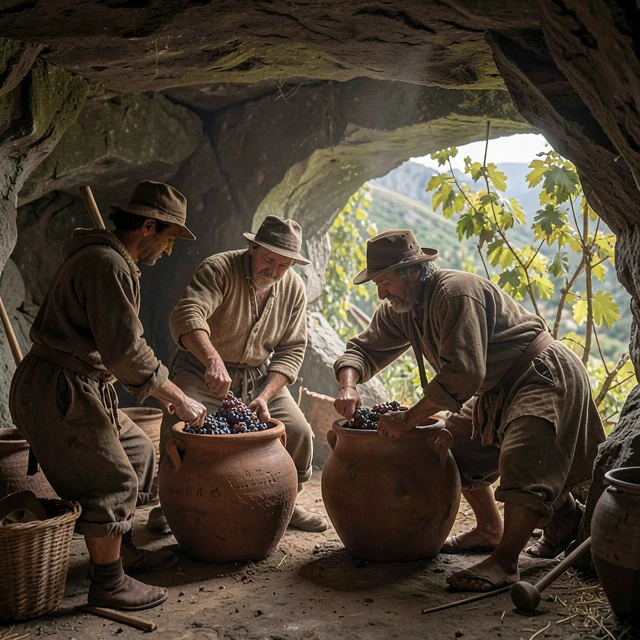
Archaeologists have found the earliest evidence of winemaking in the South Caucasus, near modern-day Georgia, dating back to around 6000 BCE. People there used wild grapes and fermented them in clay pots. Chemical traces on pottery shards confirm this was grape wine, not just any fermented fruit drink.
By 4100 BCE, the Areni-1 cave in Armenia had a full winery with a pressing platform and storage jars. Winemakers there used gravity to move juice and controlled temperature naturally in the cool cave. These early innovators understood that good wine needs careful handling from harvest to storage.
I have always been amazed by how these ancient people figured out fermentation without modern science. It shows human curiosity and experimentation at its best. Wine quickly became part of religious rituals, medicine, and daily life across the ancient world.
Winemaking in Ancient Civilizations
The practice spread to Mesopotamia, Egypt, Greece, and Rome. In Egypt, tomb paintings show grape harvesting and winemaking details from around 3000 BCE. Egyptians stored wine in amphorae and even labeled them with vintage and origin information.
The ancient Greeks loved wine so much they created the god Dionysus to honor it. They planted vineyards across their colonies and improved techniques like pruning vines. Greek writers like Homer mentioned wine often in their stories.
The Romans took winemaking to new heights. They brought vines to France, Germany, Spain, and other parts of Europe. Romans invented wooden barrels, which were easier to transport than clay jars. They also developed early classification systems for wines based on quality and region.
During the Middle Ages, monks in Europe preserved and advanced winemaking knowledge. They kept detailed records and experimented with different grape varieties and soils. Their work laid the foundation for many famous European wine regions we enjoy today.
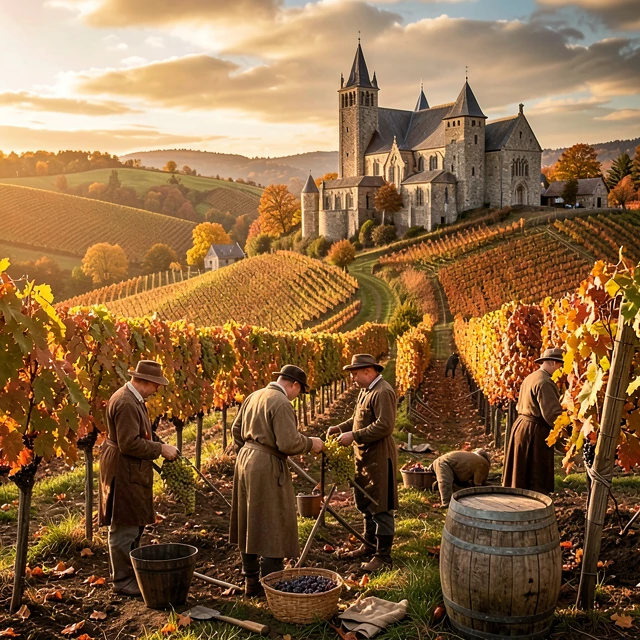
The Renaissance brought more scientific approaches. People began to understand fermentation better. By the 19th century, Louis Pasteur explained how yeast turns sugar into alcohol and how oxygen affects wine. This discovery helped winemakers prevent spoilage and improve consistency.
Exploring the Most Popular Wine Regions Globally
Today, wine regions around the world produce distinctive styles thanks to unique climates, soils, and traditions. France remains a leader with areas like Bordeaux for elegant Cabernet blends and Champagne for sparkling wines. Burgundy offers world-class Pinot Noir and Chardonnay.
Italy shines with Tuscany's Sangiovese-based Chianti and Brunello di Montalcino. Piedmont produces powerful Barolo from Nebbiolo grapes. Spain's Rioja region is known for Tempranillo wines aged in oak.
In the New World, California's Napa Valley delivers bold Cabernet Sauvignon. Oregon's Willamette Valley excels with Pinot Noir. Australia’s Barossa Valley makes rich Shiraz, while New Zealand's Marlborough is famous for crisp Sauvignon Blanc.
Here is a quick list of standout regions:
- France: Bordeaux, Burgundy, Champagne
- Italy: Tuscany, Piedmont, Sicily
- Spain: Rioja, Ribera del Duero
- United States: Napa Valley, Willamette Valley, Finger Lakes
- Australia: Barossa Valley, Margaret River
- South America: Mendoza (Argentina), Maipo Valley (Chile)
Each region tells its own story through the wines. Visiting these places lets you taste the connection between land, climate, and human effort. I remember sipping a cool-climate Chardonnay from Sonoma Coast and feeling the ocean breeze in every glass.
Modern Winemaking Innovations
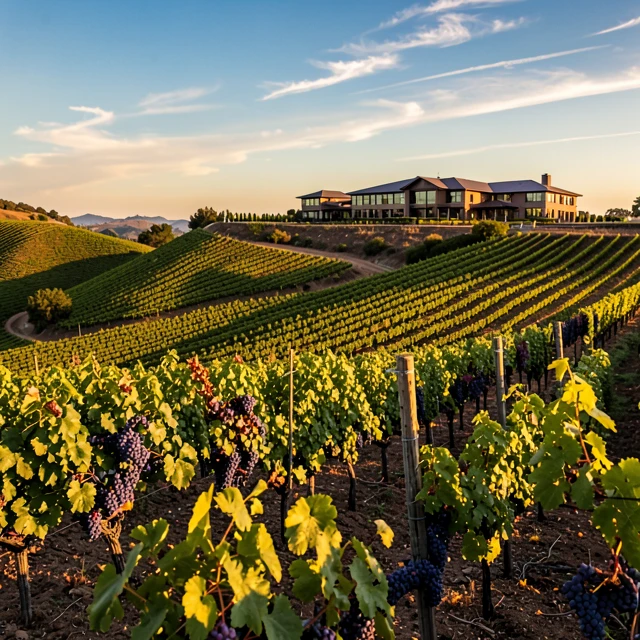
Today's winemakers blend tradition with technology. They use precision agriculture, satellite imaging, and data analytics to monitor vineyards. Stainless steel tanks allow temperature control during fermentation, while oak barrels still add complex flavors.
Sustainability has become central. Many producers practice organic or biodynamic farming to protect the soil and environment. Climate change challenges growers, so they experiment with new grape varieties and vineyard locations.
Jackson Family Wines stands out as a great example of modern excellence. Founded in 1982 by Jess Jackson, this family-owned company started with a focus on quality Chardonnay. Their Kendall-Jackson Vintner's Reserve Chardonnay became a bestseller and introduced many people to premium American wine.
The company now includes over 40 wine brands from California, Oregon, France, Italy, Australia, and more. They own estates in premier regions and emphasize terroir – the unique characteristics of each vineyard site. Jackson Family Wines produces around 6 million cases annually while maintaining a family culture of care and innovation.
If you want to try their wines, you can find them at many retailers and online. A simple search for where to buy Jackson Family Wines will show options from local stores to major wine shops. Popular wine brands under the family include Kendall-Jackson, La Crema, and higher-end labels like Lokoya and Cardinale.
What I appreciate most about Jackson Family Wines is their balance of scale and quality. They invest in sustainable practices and let each winery express its own personality. It proves that family values can thrive even in a large operation.
Personal Insights on Enjoying Wine Today
Wine is more than a drink – it is an experience. Start with what you like. If you enjoy fruit-forward whites, try a Kendall-Jackson Chardonnay. For reds, explore Cabernet from Napa or Pinot Noir from Oregon.
Pay attention to food pairings. Light wines work with salads and fish, while fuller reds suit grilled meats and cheeses. Store bottles properly and serve at the right temperature to bring out the best flavors.
Consider visiting wine regions when you travel. A tasting tour in Tuscany or Napa creates memories that last longer than any bottle.
The future of winemaking looks bright with younger generations bringing fresh ideas while honoring the past. Technology helps, but the heart remains in the vineyard and the hands of skilled winemakers.
In summary, The History of Winemaking: From Ancient Times to Modern Day reveals a story of human ingenuity, cultural exchange, and passion for the land. From clay pots in ancient caves to sustainable estates today, wine continues to evolve while staying true to its roots.
Whether you are a beginner or seasoned enthusiast, there is always more to discover. Raise a glass to the rich heritage and exciting future of this timeless beverage.