A Guide to Planning Your Napa Valley Wine Tour
Planning a Napa Valley wine tour can feel exciting yet a bit overwhelming at first. With rolling vineyards, world-class wines, and charming towns, Napa Valley stands as one of California's top destinations for wine lovers. This A Guide to Planning Your Napa Valley Wine Tour will walk you through every step so you can relax and enjoy the experience.
Napa Valley stretches about 30 miles north of San Francisco. It features over 400 wineries that produce excellent Cabernet Sauvignon, Chardonnay, and more. Whether you visit for a weekend or a full week, good planning helps you avoid crowds and make the most of your time.
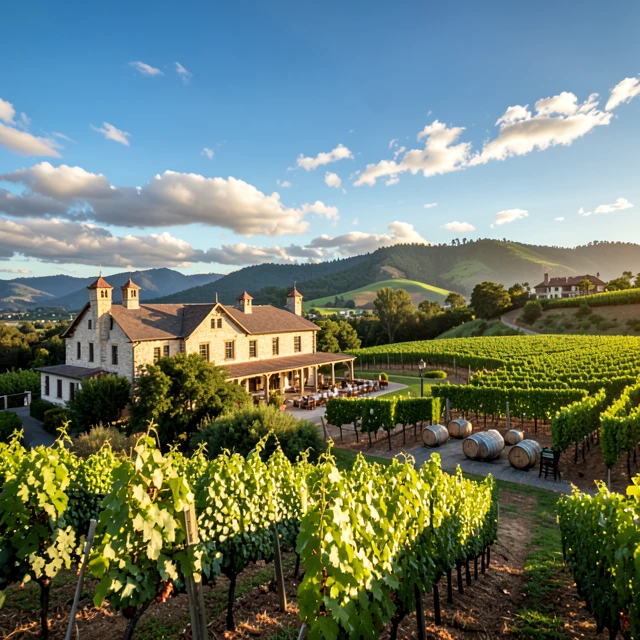
Start by deciding when to go. Spring brings wild mustard flowers that paint the hills yellow. Fall offers harvest season with busy energy and beautiful colors. Summer delivers warm days perfect for outdoor tastings, while winter provides quieter visits and cozy indoor experiences. Book your trip during shoulder seasons if you want fewer crowds.
Next, figure out how many days you have. Many visitors enjoy a 3-day Napa Valley wine tour. This gives you time to explore without rushing. On day one, focus on the southern part near Napa town. Day two can cover central areas like St. Helena. Save the northern spots in Calistoga for your last day.
Transportation matters a lot. You will taste several wines, so driving yourself is not always the safest choice. Hire a private driver, join a guided tour, or use ride-sharing services. Some people rent bikes or e-bikes for shorter distances between nearby wineries.
Reservations are essential these days. Most wineries require you to book tastings in advance, especially popular ones. Aim for 3 to 4 wineries per day. Spending 1 to 2 hours at each spot lets you enjoy the wines and the setting without feeling hurried.
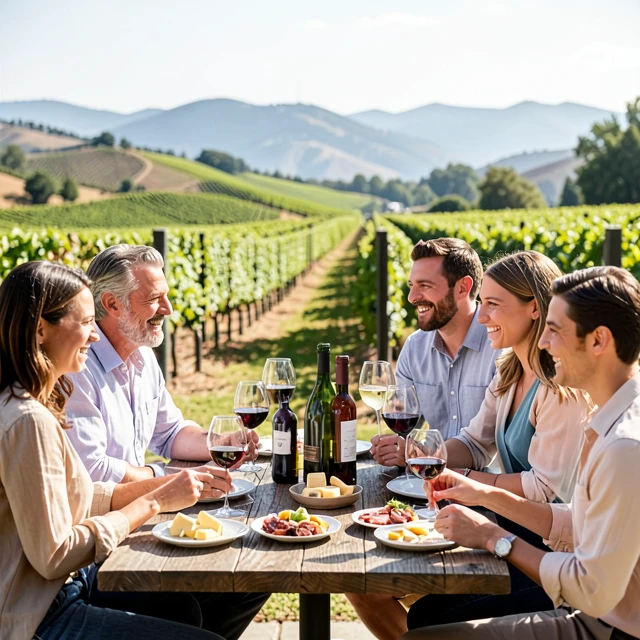
When building your itinerary, mix up the experiences. Visit large historic estates for their grand tours and smaller family-run spots for a more personal touch. Include time for lunch at a winery or in one of the towns. Many places offer food pairings that enhance the wine tasting.
Beringer stands out as one of the must-visit wine brands in Napa Valley. Founded in 1876, it is the oldest continuously operating winery in the region. Their historic property in St. Helena features beautiful grounds and the elegant Rhine House mansion.
Beringer wine tasting events often include guided tours of the estate and caves, plus special seasonal celebrations. You can join the Taste of Beringer Tour to learn about their history while sampling signature wines like their Private Reserve Cabernet Sauvignon. Check their calendar for member events and public tastings.
Other notable wine brands in Napa Valley include well-known names that produce high-quality Cabernet Sauvignon and Chardonnay. When planning, research which varietals interest you most. Some wineries focus on bold reds, while others excel at crisp whites or sparkling wines.
Here is a simple checklist to help you prepare:
- Book accommodations early, especially for peak seasons
- Reserve winery tastings at least 2-4 weeks ahead
- Arrange transportation with a driver or tour service
- Pack comfortable shoes for walking on vineyard paths
- Bring layers of clothing since temperatures can change
- Have a designated driver or plan for safe rides
- Consider a wine club membership if you fall in love with certain brands
Budget wisely for your Napa Valley wine tour. Tasting fees usually range from $50 to over $100 per person, depending on the winery and experience. Add costs for food, transportation, and lodging. A mid-range trip for two people over three days can easily reach several hundred dollars, but many find it worth every penny.
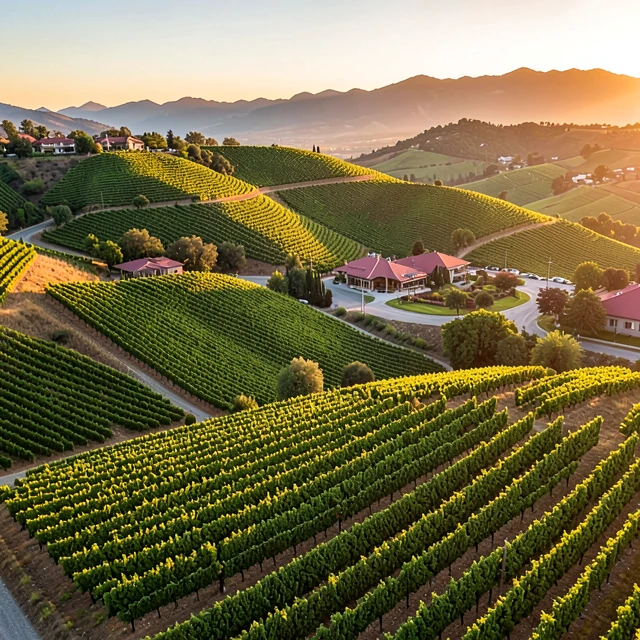
Personal insight: On my first visit, I tried to pack too many wineries into one day. By the afternoon, everything started to blur together. The next time, I limited myself to three spots and added a picnic lunch between tastings. The slower pace let me truly appreciate the differences in each wine and the stories behind them.
Food plays a big role in a great wine tour. Pairings can turn a simple tasting into a memorable meal. Look for wineries that offer cheese plates, charcuterie, or full lunches. In towns like Yountville or St. Helena, you will find excellent restaurants for dinner.
Beyond wine, Napa Valley offers hiking trails with valley views, hot air balloon rides in the morning, and spa treatments to relax after a day of tasting. Consider adding one non-wine activity to balance your trip.
When visiting Beringer or other wine brands, ask questions. The staff loves sharing knowledge about the grapes, the land, and the winemaking process. Take notes on what you like so you can remember favorites later.
For first-timers, joining a small group tour can be helpful. Guides know the back roads and can share local tips. If you prefer independence, use maps and apps to navigate between stops.
As your Napa Valley wine tour comes to an end, take time to reflect on the experiences. Many visitors leave with new favorite wines and a deeper appreciation for the craft. Some even join wine clubs to continue enjoying selections at home.
In summary, thoughtful planning makes all the difference in your A Guide to Planning Your Napa Valley Wine Tour. Focus on quality over quantity, book ahead, and stay flexible. You will create memories that last long after the last sip.