International Wineries for Climate Action: Explore the Global Push for Sustainability in Wine
International Wineries for Climate Action - Explore the global push for sustainability in wine is more than a movement—it's a lifeline for an industry under threat from rising temperatures, extreme weather, and shifting seasons. Winemakers around the world are stepping up with real action. This article dives deep into how they reduce carbon emissions, protect vineyards, and still deliver world-class wines you love.
Climate change hits wine country hard. Hotter summers speed up ripening, frosts damage buds, and wildfires taint grapes with smoke. Growers have lost billions in recent years. But hope comes from collective effort. International Wineries for Climate Action brings wineries together to cut emissions 50 percent by 2030 and go climate positive by 2050—no offsets allowed.
Founded in 2019 by two family-owned giants, the group now counts 173 members across six continents. They share data, audit emissions yearly through third-party experts, and push regenerative farming. The result? Healthier soils, lower costs, and wines that taste even better because they come from land treated with care.
Why Wineries Must Act Now
Every bottle starts in the vineyard. Vines need stable weather, clean water, and rich soil. When those change, flavor profiles shift and yields drop. Forward-thinking producers refuse to wait. They lead by measuring Scope 1, 2, and 3 emissions—from tractor fuel to shipping crates—and then cut them at the source.
Members commit to at least 20 percent onsite renewable power within five years of joining. They track progress publicly. This transparency builds trust with drinkers who want their favorite wine brands to match their values.
Spotlight on Jackson Family Wines: Leading by Example
Jackson Family Wines stands out as a co-founder and role model. Their Rooted for Good: Roadmap to 2030 plan sets bold targets that many wine brands now follow. The family has farmed sustainably for decades, but this roadmap takes it further—no greenwashing, just measurable results.
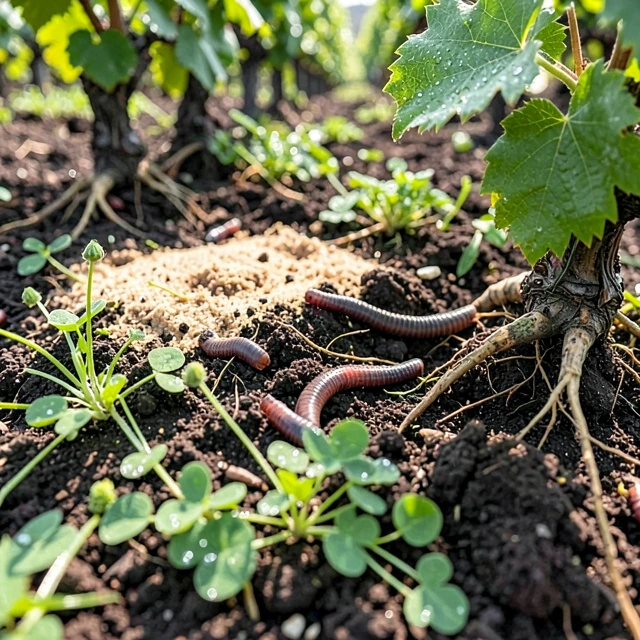
They aim to farm 100 percent of estate vineyards with regenerative practices by 2030. That means cover crops, composting, and reduced tillage to lock carbon in the soil. Water use per bottle has already dropped 43 percent through recycling, rainwater capture, and smart irrigation sensors.
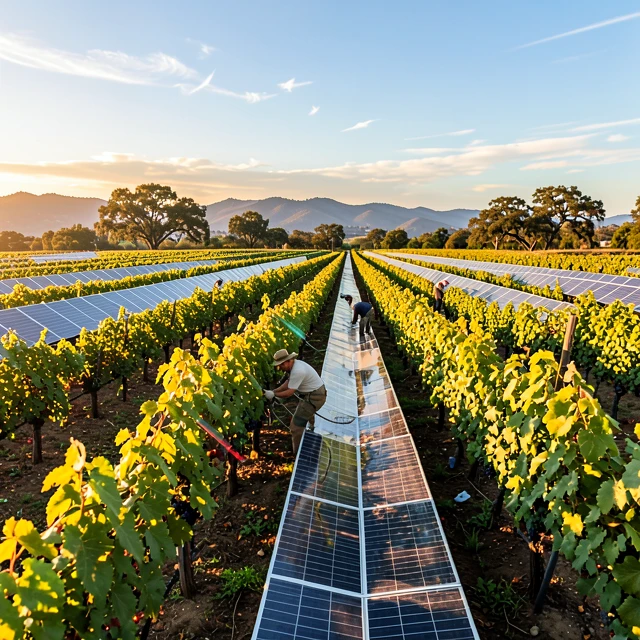
Energy wins are huge too. Jackson Family Wines runs the largest solar array in the U.S. wine industry—over 23,000 panels power 30 percent of operations today and rising. They plan to hit 50 percent renewable electricity by 2025 with wind turbines and floating solar. Since 2015, total greenhouse gas emissions fell 17.5 percent, equal to removing thousands of cars from roads yearly.
Packaging matters. Lightweight bottles with more recycled glass cut emissions from transport and production. These changes saved the company over $26 million while improving wine quality. Sustainable practices at Jackson Family Wines prove green choices boost the bottom line.
Their portfolio includes beloved wine brands such as Kendall-Jackson, La Crema, and Verité. Each bottle now carries the story of land stewardship. Consumers notice—and reward it with loyalty.
Global Leaders Joining the Charge
Sustainability crosses borders. In New Zealand, Yealands Estate powers operations with renewables and protects native forests. Spain’s Familia Torres, the other founder, pioneered water-saving tech and solar years ago. Australia’s Cullen Wines farms organically and sequesters carbon. Chile, Portugal, and South Africa add their own innovations.
Here’s a quick look at key IWCA goals many members track:
- 50% emissions cut by 2030 across all operations
- Climate positive by 2050—remove more carbon than emitted
- Regenerative farming to rebuild soil health
- Third-party verified audits every year
- 20%+ renewable energy onsite within five years
These targets create a level playing field. Smaller wineries learn from giants like Jackson Family Wines. Big players gain fresh ideas from nimble innovators. The whole industry rises together.

Real Benefits You Can Taste and Touch
Sustainable wine often tastes brighter because healthy vines produce balanced fruit. Lower chemical use means cleaner flavors. For you, choosing these wine brands supports jobs in rural communities and protects water tables for future generations.
Actionable tip: Next time you shop, look for IWCA member logos or certifications like “regenerative” and “solar-powered.” Ask your local retailer or sommelier about climate-positive options. Small switches add up fast.
Jackson Family Wines shares progress openly so others can copy what works. Their model shows sustainability pays—financially and environmentally. Wine lovers gain confidence that every sip helps the planet.
Your Role in the Global Push
You don’t need to own a vineyard to help. Support restaurants and shops that feature IWCA wines. Share stories on social media. Reduce your own carbon footprint by choosing lighter packaging when possible. The global push for sustainability in wine succeeds when consumers vote with their glasses.
As someone who has toured these vineyards and tasted the results, I can say the difference is real. The land feels alive. The wines carry a sense of purpose. International Wineries for Climate Action turns worry about climate change into positive action you can raise a glass to.
In summary, International Wineries for Climate Action proves the wine world can fight climate change while producing exceptional bottles. Leaders like Jackson Family Wines show sustainable practices deliver results—lower emissions, healthier land, and stronger businesses. The future of wine looks brighter, greener, and more delicious because of this collective effort.