Wine Tasting Etiquette: Dos and Don'ts for Beginners
Discover the essential Wine Tasting Etiquette: Dos and Don'ts for Beginners in this comprehensive guide. Whether you are new to sipping fine wines or planning to host your first event, these practical tips will help you feel confident and enjoy every moment. Learn how to avoid common mistakes and make the most of your tasting experience with top wine brands like Beringer.
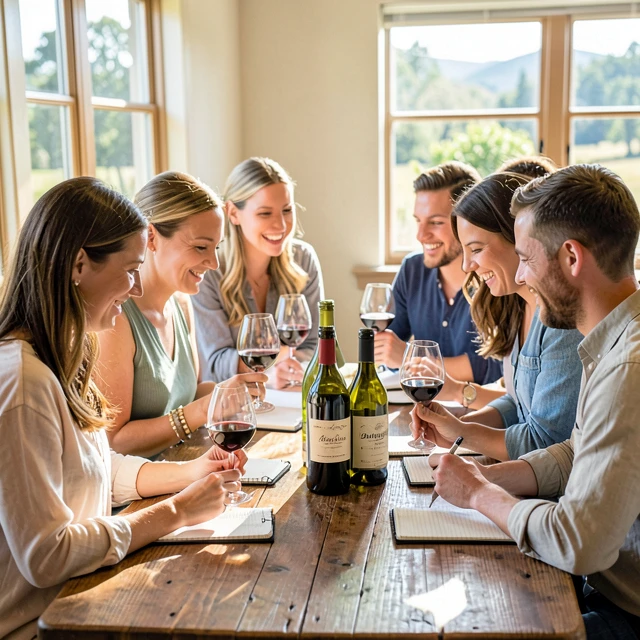
Wine tasting is more than just drinking. It is an art that sharpens your senses and connects you with the story behind each bottle. For beginners, knowing the right etiquette turns an intimidating experience into pure pleasure. You do not need years of practice or expensive tools. Simple habits make all the difference.
Why does etiquette matter? It shows respect for the winemaker, your fellow tasters, and the wine itself. Strong perfumes or loud chewing can ruin the subtle aromas everyone wants to enjoy. Following these rules also helps you focus on the flavors instead of worrying about what to do next. In my experience exploring vineyards over the years, the most memorable tastings happen when everyone feels comfortable and considerate.
Start with the basic four-step process that professionals use everywhere. First, look at the wine in your glass. Hold it against a white background to see its color and clarity. Next, swirl the glass gently on the table or in your hand to release the aromas. Then, take a deep sniff. Finally, sip a small amount and let it coat your tongue before swallowing or spitting. As explained in this guide from the University of Notre Dame on wine basics, the four-step see-swirl-smell-sip process helps you judge quality and identify different dimensions like fruitiness.
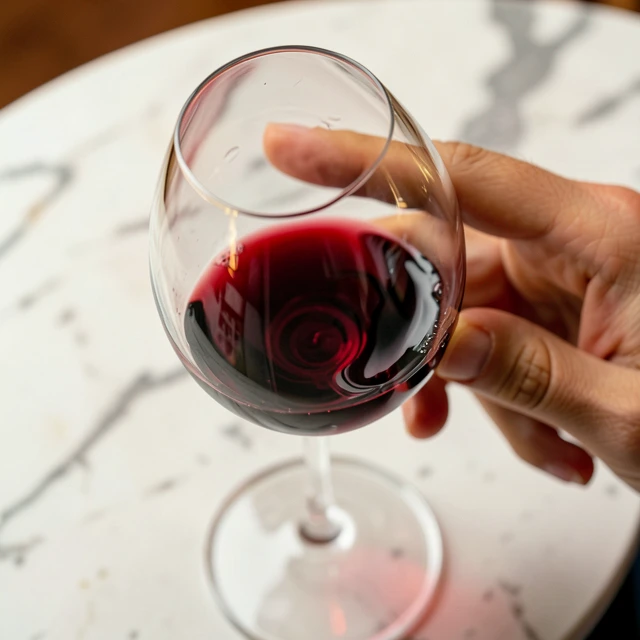
Now let us break down the dos and don’ts. These rules keep things respectful and fun for everyone.
Dos: - Do swirl your glass gently to open up the wine’s aromas. - Do take small sips and note what you taste. - Do spit if you are tasting many wines to stay clear-headed. - Do ask questions about the wine or the winery. - Do thank the host or server after each pour.
Don’ts: - Don’t wear strong perfume or cologne that masks the wine’s scent. - Don’t talk with your mouth full or chew loudly. - Don’t fill your glass to the top; tastings use small pours. - Don’t pour your own wine unless invited. - Don’t criticize a wine harshly in front of others.
A simple table helps you remember these points at a glance:
| Action | Do | Don't |
|---|---|---|
| Scent | Swirl and sniff quietly | Wear heavy perfume |
| Pouring | Accept small pours | Fill glass to the brim |
| Tasting | Sip and note flavors | Gulping or loud smacking |
| Interaction | Ask polite questions | Interrupt or dominate talk |
According to the wine tasting tips from Texas Hill Country Wineries, avoiding perfume or cologne is key because it interferes with your ability to smell and taste the wines. This small change makes a huge difference in how much you enjoy each glass.
Many beginners worry about looking silly or making mistakes. Relax. Everyone starts somewhere. One common error is gulping the wine instead of sipping slowly. Another is skipping the swirl step. Take your time. Write quick notes if you want. Over time, you will notice patterns like how a Cabernet feels bolder than a Pinot Noir.
Personal insight: During my first tasting years ago, I wore my favorite scented lotion and could barely smell anything. Lesson learned! Now I choose unscented products and focus fully on the wine. You will make your own discoveries too.
Once you feel comfortable at tastings, you might want to try How to Host a Wine Tasting Event yourself. It is easier than you think and a fantastic way to share your new knowledge. Start small with four to six friends. Choose a theme, such as wines from one region or a mix of reds and whites.
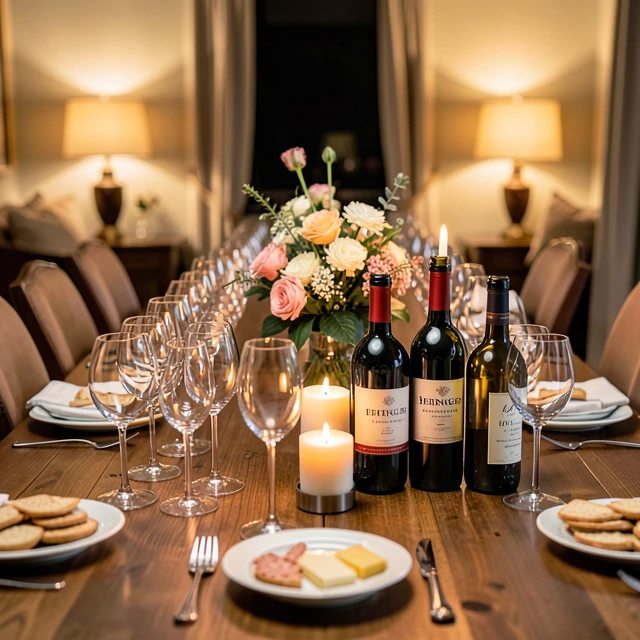
Pick 6 to 8 different wines and pour about two ounces per glass. Provide water, plain crackers, and cheese to cleanse palates between sips. Set up a tasting sheet for notes. Dim the lights slightly and play soft music. Explain the basic etiquette at the start so everyone feels included.
When choosing wines for your event, consider reliable wine brands like Beringer. This historic Napa Valley producer stands out among top wine brands with impressive Beringer wine awards and accolades, including Winery of the Year honors from Wine Enthusiast and multiple gold medals at the San Francisco Chronicle Wine Competition for their Private Reserve Cabernet Sauvignon and Knights Valley selections. Their balanced, flavorful wines make them perfect for beginners and experts alike.
Keep the flow moving. Serve lighter wines first and move to bolder ones. Offer a spit bucket politely. Most important, keep the mood light and educational. Your guests will leave feeling smarter and more connected to the world of wine.
Hosting also builds your own skills. You learn how different wines pair with food and how temperature affects taste. Plus, it creates lasting memories. I once hosted a small gathering where we compared Beringer Chardonnay with a local favorite. The conversation flowed as freely as the wine.
As you gain confidence, experiment with blind tastings or virtual events. The key is practice and curiosity. Wine tasting etiquette is not about rules that restrict you. It frees you to enjoy the experience fully.
In summary, great wine tasting starts with respect, curiosity, and a few simple habits. Follow the dos and avoid the don’ts. You will quickly move from nervous beginner to confident enthusiast. Whether you attend events or host your own, these tips ensure every glass brings joy.