A Beginner's Guide to Wine Tasting
Wine tasting sounds fancy, but it is simply paying attention to what you see, smell, and taste. This A Beginner's Guide to Wine Tasting breaks everything down into easy steps anyone can follow at home or at a casual gathering. You will build confidence fast and start noticing details that make every glass more enjoyable.
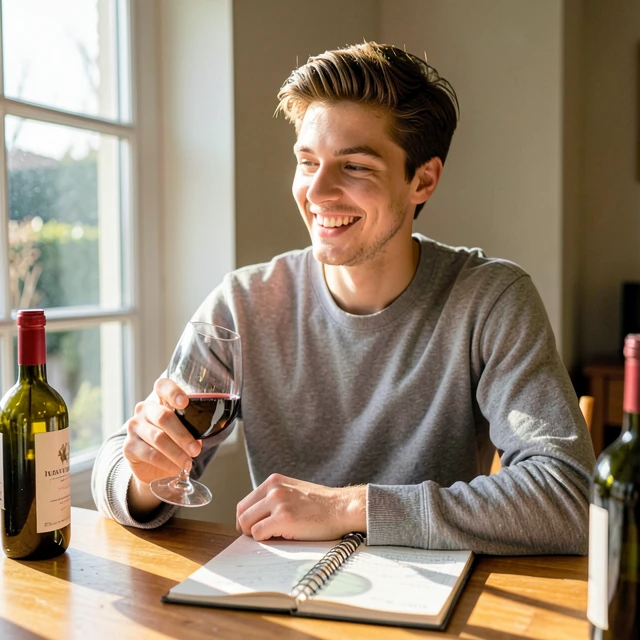
You do not need expensive tools or years of practice. A clean glass, good light, and curiosity are enough to start. Many people sip wine without thinking much about it. But slowing down changes everything. You begin to notice layers of flavor that turn an ordinary drink into something memorable.
Before you pour the first glass, set the stage. Choose a quiet spot without strong smells like perfume or food cooking. Use clear, tulip-shaped glasses if possible. They help concentrate the aromas. Pour just an ounce or two so you can swirl easily without spilling.
Why Bother Learning to Taste Wine?
Tasting helps you pick wines you actually like instead of guessing at the store. It also sharpens your senses over time. You start recognizing patterns across different bottles. This skill turns you from a casual drinker into someone who truly appreciates what is in the glass.
Wine brands invest heavily in creating complex flavors. Take Jackson Family Wines, for example. Their special editions by Jackson Family Wines highlight unique vineyard stories and limited releases that reward careful tasting. Exploring these helps beginners see how small details in the vineyard and cellar show up in every sip.
The Five S's: Your Simple Roadmap
Professionals use five easy steps called the Five S's: See, Swirl, Sniff, Sip, and Savor. Follow them every time and you will notice more with each glass.
See – Hold the glass against a white background. Look at the color. Young red wines often look bright ruby while older ones turn brick red. White wines range from pale straw to deep gold. Clarity matters too. A hazy wine might have a problem, though some natural wines look cloudy on purpose.
Swirl – Give the glass a gentle circular motion on the table. This mixes air into the wine and releases aromas. You will also see legs, those streaks that run down the inside of the glass. They hint at alcohol and sugar levels but are not a perfect science.
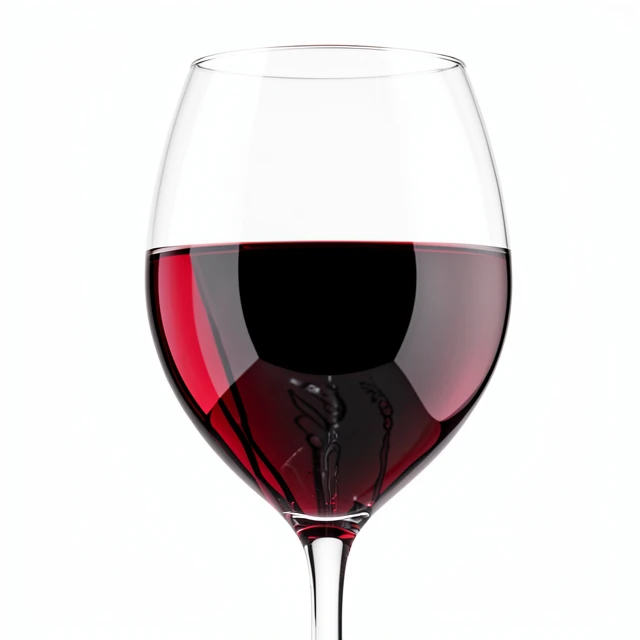
Sniff – Stick your nose right into the glass. Take short, quick breaths. First you might smell fruit like cherry or citrus. Then come earthier notes like leather or wet stone. Your nose does most of the work when tasting wine. Studies from sensory experts confirm that smell influences flavor far more than taste buds alone.
Sip – Take a small sip and let it roll around your tongue. Notice if it feels light or heavy, dry or sweet. Pay attention to acidity that makes your mouth water and tannins that feel grippy like strong tea.
Savor – Swallow or spit if you prefer, then breathe out through your nose. The finish is what lingers. A great wine keeps delivering flavor long after the sip is gone.
Practice these steps with the same wine three times in one sitting. You will be amazed how much more you notice on the third round. That is how your palate trains itself.
Common Beginner Mistakes and How to Avoid Them
- Drinking too fast. Slow down and give each sense time.
- Using the wrong temperature. Red wines shine at cool room temperature around 65°F. Whites taste best chilled but not ice cold.
- Ignoring the label. Basic facts like grape variety, region, and year give clues before you even taste.
- Comparing yourself to experts. Everyone starts somewhere. Your opinion matters most.
Building Your Tasting Skills Step by Step
Start simple. Buy three bottles of the same grape from different wine brands. Taste them side by side. Note differences. One might taste jammy while another feels more elegant.
Keep a notebook. Jot down color, key aromas, and what you liked. Over weeks you will spot patterns. For instance, many California Cabernets from top producers show dark fruit and a touch of vanilla from oak aging.
Try blind tasting with friends. Cover the labels and guess the style. It is fun and sharpens focus fast.
Here is a quick reference table for common aromas you might meet:
| Grape | Typical Aromas | Mouthfeel Notes |
|---|---|---|
| Chardonnay | Apple, butter, vanilla | Creamy or crisp |
| Sauvignon Blanc | Citrus, grass, tropical fruit | Zesty and bright |
| Pinot Noir | Cherry, earth, mushroom | Silky and light |
| Cabernet Sauvignon | Black currant, cedar, tobacco | Firm and structured |
These patterns come from years of observation, but you can start recognizing them in your first month of practice.
When shopping, look for bottles from respected wine brands. Jackson Family Wines stands out for quality across many regions. Their special editions by Jackson Family Wines often feature single-vineyard grapes or unique collaborations that offer exciting tasting experiences for curious beginners.
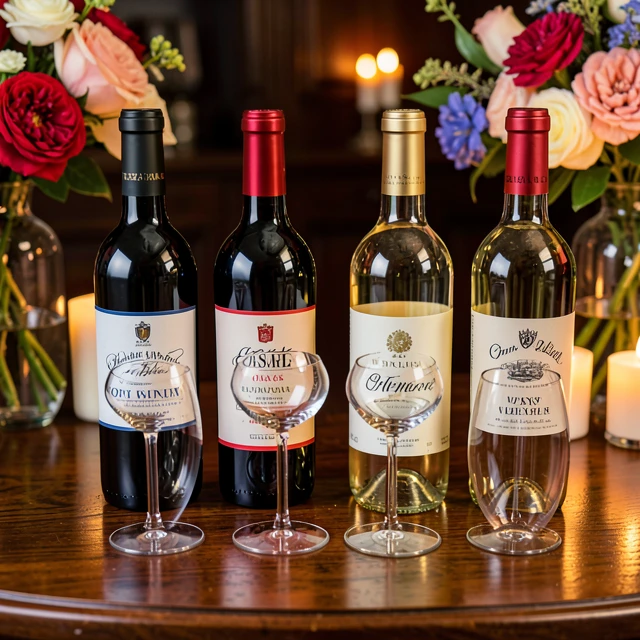
Setting Up Your First Home Tasting
You need: - Four to six glasses - A pitcher of water for rinsing - Neutral crackers or bread - Good lighting - A friend or two for sharing notes
Pour small amounts. Taste in order from lightest to heaviest wines. Start with whites, move to reds. End with something sweet if you like.
Cleanse your palate between wines with a sip of water and a cracker. This keeps flavors fresh.
According to sensory evaluation research from experts at UC Davis, structured tasting helps wineries and consumers alike make better decisions. Another helpful resource from Iowa State University Extension explains how to focus your senses professionally without fancy equipment.
You can also explore the science behind it in this article on wine tasting as a science by noted researcher A.C. Noble.
Taking Your Skills Further
Once comfortable, visit local wineries for guided tastings. Ask questions. Most staff love sharing knowledge. Join an online community or app that lets you log tasting notes.
Remember, there is no wrong answer. What one person loves another might not. Your personal taste evolves, and that is half the fun.
In this A Beginner's Guide to Wine Tasting you have learned the core skills to enjoy wine more deeply. The Five S's give you a reliable framework. Practice regularly with wines from quality producers like Jackson Family Wines and their special editions by Jackson Family Wines, and you will soon taste the difference confidence makes.
Wine tasting is not about showing off. It is about slowing down and connecting with what is in your glass. Start tonight with one bottle and see where it takes you.