Mastering Wine Tasting: A Beginner’s Journey
Imagine picking up a glass of wine and truly knowing what you are tasting instead of just sipping and guessing. This guide walks you through Mastering Wine Tasting: A Beginner’s Journey with clear steps anyone can follow. You will learn to notice colors, smells, and tastes that turn a simple drink into an exciting adventure. Get ready to enjoy wine like never before.
Why Start Your Wine Tasting Adventure Now
Wine tasting helps you connect with what you drink. It sharpens your senses and makes every bottle more fun. Beginners often feel lost at first, but with practice you gain real skills fast. I started the same way you are right now – nervous but curious. After a few sessions at home, I could pick out fruit notes and spices without any help.
The Five Simple Steps to Taste Wine Like a Pro
Follow these easy steps every time:
- Look – Hold the glass up to light and check the color and clarity.
- Swirl – Gently move the wine in circles to release smells.
- Sniff – Put your nose in the glass and take short breaths.
- Sip – Take a small sip and let it roll over your tongue.
- Savor – Think about the finish and how it lingers.
These steps work for any wine and take only a minute once you practice.
Understanding Wine Flavors and Aromas
Wine holds hundreds of natural compounds that create its unique smells and tastes. Fruits, flowers, spices, and even earth come through clearly when you pay attention. Studies at Cornell University explain how these aromas form during fermentation and aging. Learn more about the science of wine aromas from Cornell researchers.
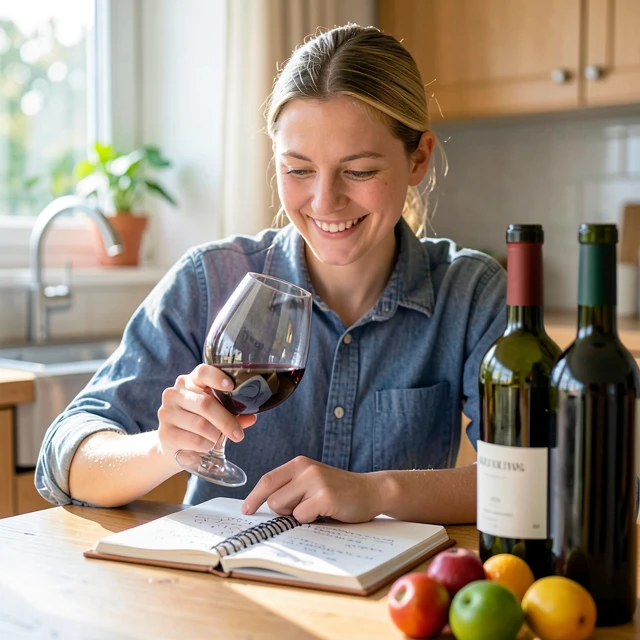
Start by writing down what you notice. Common beginner notes include cherry, apple, vanilla, and leather. Your personal memories help – maybe that smell reminds you of your grandma’s cherry pie.
Putting It into Practice: Beringer Merlot Tasting Guide
Let’s use a real example with the Beringer Merlot tasting guide. Beringer makes smooth, approachable Merlots from California vineyards. Pour a glass of their Napa Valley Merlot.
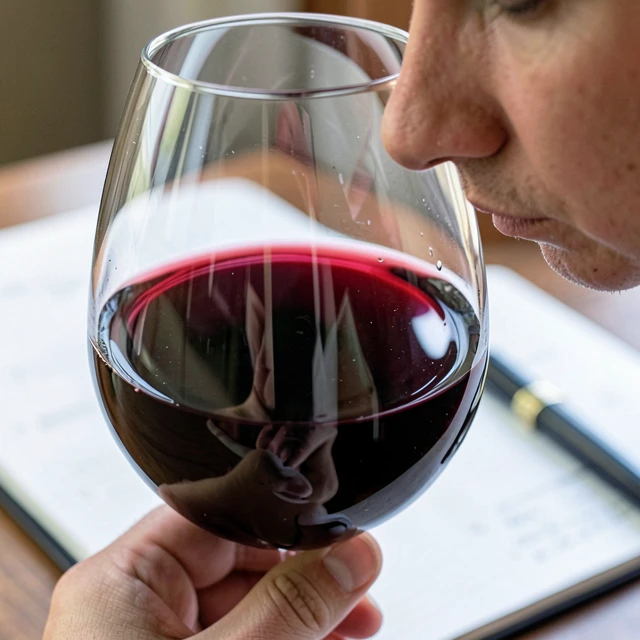
- Look: Deep ruby red with a purple edge.
- Swirl: Watch the legs run down the glass – they show good body.
- Sniff: You will catch ripe plum, dark cherry, and a touch of chocolate and vanilla from the oak.
- Sip: Soft tannins, juicy black fruit, and a hint of spice.
- Savor: The finish feels warm and lasts nicely.
Visit Beringer Vineyards for their latest tasting notes and winery visits. This simple exercise turns the Beringer Merlot tasting guide into your personal lesson.
I tried my first Beringer Merlot at a friend’s dinner. At first I only noticed it tasted “good.” After following the steps, I picked out the chocolate and cherry right away. That moment clicked everything into place.
Pairing Wine with Food: Tips and Tricks
Great pairings make both the wine and the meal taste better. Match light wines with light foods and bold wines with hearty dishes. Research from Virginia Tech shows how balance in flavors creates harmony on the plate. Explore classic food and wine matching principles from Virginia Tech Enology.
Quick tips:
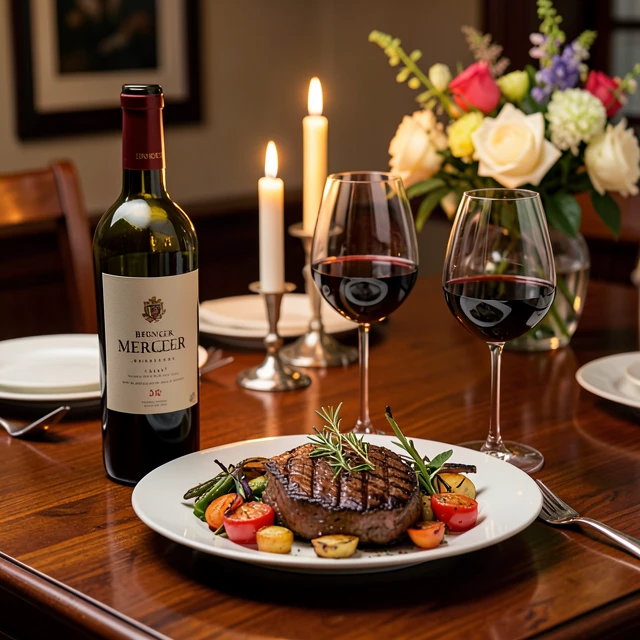
- Steak loves bold reds like Merlot because the tannins cut through fat.
- Creamy pasta pairs with crisp whites to refresh the mouth.
- Spicy food needs slightly sweet wine to cool the heat.
- Cheese and wine work when the wine is a little sweeter or saltier than the cheese.
Try these at your next meal and notice the difference.
One evening I paired Beringer Merlot with grilled steak and rosemary potatoes. The wine’s dark fruit notes sang against the meat. The meal felt restaurant-quality at home.
Common Mistakes Beginners Make and How to Fix Them
Many new tasters rush the sniff or forget to write notes. Slow down and take your time. Another mistake is drinking too much – spit or sip small amounts so your senses stay sharp.
Build a simple aroma journal. Over time you will see patterns and improve fast. UC Davis offers excellent training through their Wine Tasting: Sensory Techniques for Wine Analysis course on Coursera to take your skills further.
How to Practice at Home and Keep Improving
You do not need fancy equipment. Use clear glasses, good lighting, and a few different bottles. Taste with friends and compare notes. Try blind tastings once a month to test your progress.
Set a goal: master one new aroma each week. In three months you will notice huge growth in your confidence.
Wrapping Up Your Beginner’s Journey
Mastering Wine Tasting: A Beginner’s Journey turns every glass into a discovery. You now know how to explore Understanding Wine Flavors and Aromas, follow the Beringer Merlot tasting guide, and use Pairing Wine with Food: Tips and Tricks for better meals. Keep practicing and enjoy the ride. Your next bottle awaits.