The Future of Sustainable Winemaking: How Jackson Family Wines Leads with Rooted for Good
Overview
The Future of Sustainable Winemaking looks promising as climate challenges push the industry toward smarter practices. Jackson Family Wines leads the charge with its Rooted for Good: Jackson Family Wines’ Sustainability Plan, aiming to halve carbon emissions by 2030 and go climate positive by 2050. This article dives into Sustainability in Winemaking, shows how Jackson Family Wines compares to other wine brands, and shares practical insights for a better future. (38 words)
Why Sustainability in Winemaking Matters Now
Winemaking faces real threats from rising temperatures and water shortages. Grapes ripen faster, flavors shift, and traditional regions struggle. Yet forward-thinking producers turn these challenges into opportunities.
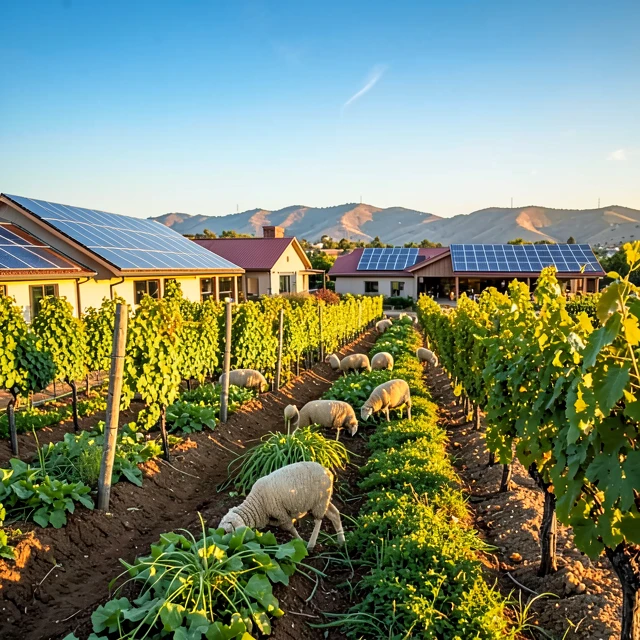
You see vineyards not just growing grapes but restoring soil and cutting waste. This shift creates wines that taste great and support the planet. Jackson Family Wines shows how big changes deliver real results.
Climate change warms wine regions unevenly. According to this University of British Columbia study on climate impacts, many areas have gained the heat equivalent of 100 extra growing days over 70 years. Europe feels the strongest effects. Growers adapt by choosing heat-resistant varieties and using less water.
Sustainable methods go beyond doing less harm. They actively improve the land. Regenerative farming builds healthy soil that holds more carbon and needs fewer chemicals. Michigan State University experts explain these practices boost resilience against drought and extreme weather in their guide to building climate resilience in vineyards.
Rooted for Good: Jackson Family Wines’ Sustainability Plan in Action
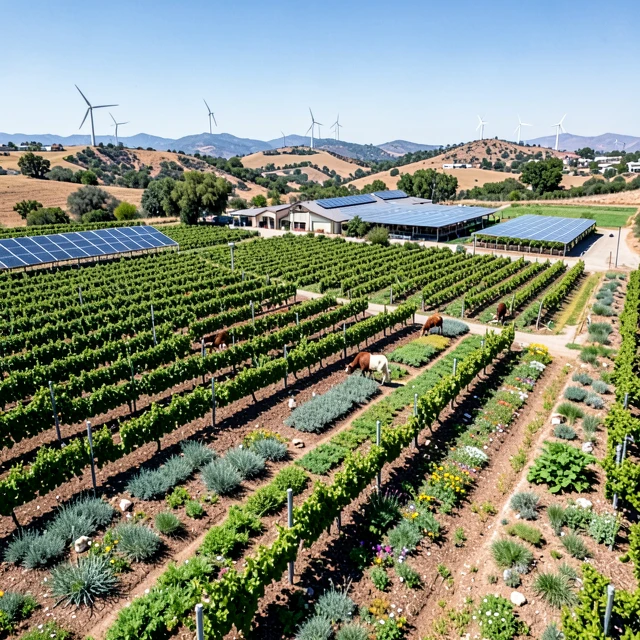
Jackson Family Wines launched Rooted for Good in 2021 as their bold 10-year roadmap. The plan covers four key areas: climate action, water management, regenerative farming, and social responsibility.
Their goals stand out: - Cut greenhouse gas emissions in half by 2030 and become climate positive by 2050 – without buying offsets. - Farm 100% of estate vineyards with regenerative methods by 2030. - Save and reuse water while protecting local watersheds. - Build a more diverse and inclusive workplace.
The company already runs the largest solar array of any U.S. wine producer. Over 30% of their energy comes from renewables. Since 2015, sustainability investments returned more than $26 million in savings – a clear win for business and the planet.
What makes Rooted for Good special? It focuses on real action, not greenwashing. They co-founded the International Wineries for Climate Action to push the whole industry forward. Team members and experts helped shape the plan, so it feels practical and achievable.
Jackson Family Wines vs Other Wine Brands
When you compare Jackson Family Wines vs other wine brands, their scale and long-term vision stand out. Many producers adopt organic farming or solar power, but few match Jackson’s comprehensive approach or proven results.
For example: - Smaller brands often limit sustainability to one vineyard or practice. - Larger competitors talk about goals but rarely show measurable ROI or industry leadership.
Jackson started eco-friendly efforts in the 1970s, long before it became popular. Their employee programs, like Water Wise competitions, spark innovation from within. This deep commitment creates better wines and stronger communities.
Quick Comparison Table
| Aspect | Jackson Family Wines | Typical Other Brands |
|---|---|---|
| Carbon Goal | Halve by 2030, climate positive 2050 | Vague targets or offsets |
| Regenerative Farming | 100% estates by 2030 | Partial or pilot programs |
| Renewable Energy | Largest U.S. wine solar array | Smaller installations |
| ROI from Sustainability | $4 million positive | Often cost-focused only |
| Industry Leadership | Co-founder of IWCA | Follower or none |
These differences matter to consumers who want wines that align with their values. Jackson Family Wines proves you can protect the land and still deliver world-class quality.
What the Future Holds for Sustainable Winemaking
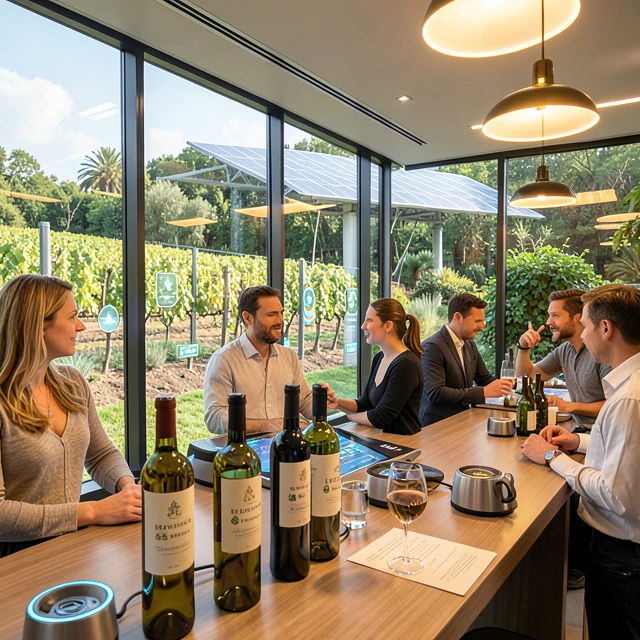
The Future of Sustainable Winemaking includes new tools and approaches. Smart sensors track vine health and water use in real time. AI helps predict weather impacts and optimize harvests.
Hybrid grapes that resist heat and drought gain popularity. New regions, such as parts of the UK and Scandinavia, produce quality wines as traditional areas adapt.
Carbon labeling on bottles will become common. Shoppers will see exact environmental impact before they buy. Regenerative practices will spread because they improve wine quality while capturing carbon.
Jackson Family Wines already tests many of these ideas. Their plan includes soil carbon research and zero-emission transport. By leading, they help the entire industry move faster.
Actionable Steps You Can Take Today
Consumers play a big role: - Look for certifications like organic, biodynamic, or carbon-neutral. - Choose brands that share transparent data, such as Jackson Family Wines. - Support local wineries using regenerative methods.
Winemakers starting out can: - Begin with cover crops and reduced tillage. - Install solar panels for quick energy savings. - Join industry groups for shared knowledge.
Small changes add up. Every vineyard that improves soil health helps fight climate change.
A Bright Path Forward
The Future of Sustainable Winemaking rests on bold plans like Rooted for Good: Jackson Family Wines’ Sustainability Plan. By focusing on real results, Jackson Family Wines shows how Sustainability in Winemaking benefits everyone – the land, the people, and the glass in your hand.
Their leadership inspires others and proves that great wine and a healthy planet go together. The next time you pour a glass, think about the choices behind it. Support brands that root their work in good, and help shape a greener tomorrow.