Climate Change and Wine: Adaptation Strategies for Growers Worldwide
Climate change is reshaping the wine industry. Rising temperatures, shifting rainfall patterns, and extreme weather events challenge growers everywhere. Yet, many are adapting successfully. This article explores practical adaptation strategies that help vineyards thrive in a warming world while advancing Sustainability in Winemaking.
The Growing Challenge for Wine Regions
Warmer conditions speed up grape ripening. This often leads to higher sugar levels and lower acidity, which can throw off the balance in wines. In many traditional regions, growers notice earlier harvests and changes in flavor profiles. Some areas face more frequent droughts, while others battle intense heat waves or unexpected frosts.
Studies show that without action, up to 70% of current wine-producing regions could become unsuitable if temperatures rise more than 2°C. But the story isn't all bleak. Growers are innovating and finding new ways to protect their craft.
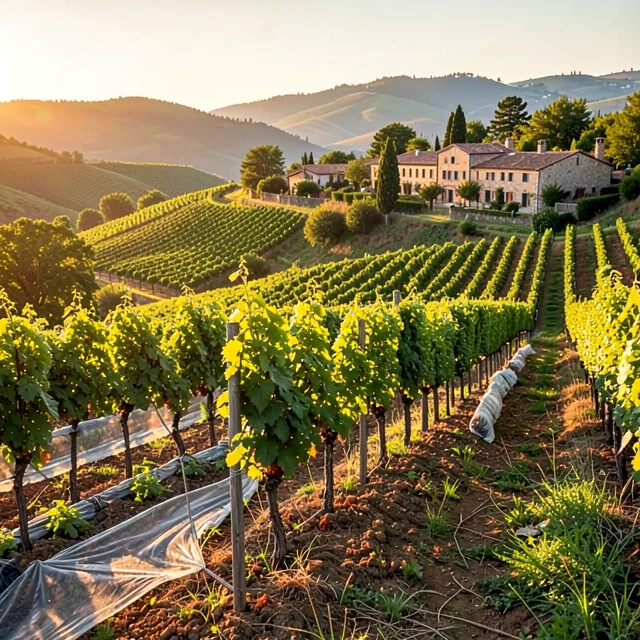
Key Adaptation Strategies for Growers
Successful growers use a mix of approaches. Many start by adjusting what they plant. They select grape varieties that ripen later or handle heat better. Rootstocks that resist drought prove especially valuable.
Canopy management helps too. Growers trim leaves or use shade nets to protect grapes from intense sun. This keeps acidity higher and prevents over-ripening. In some places, they move vineyards to higher elevations where it's cooler.
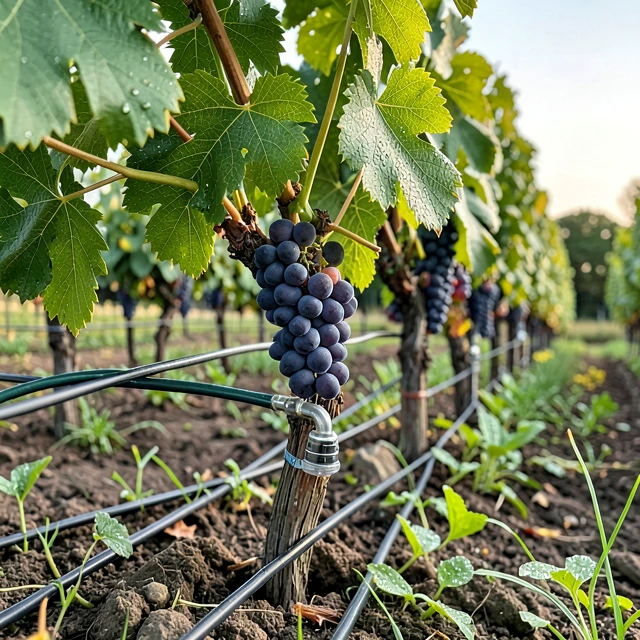
Water management stands out as critical. Techniques include:
- Drip irrigation systems that deliver water precisely to roots
- Collecting rainwater for later use
- Cover crops that reduce evaporation and improve soil health
- Sensors that monitor vine water needs in real time
These methods save water while building stronger, more resilient vines.
Jackson Family Wines Leading by Example
Jackson Family Wines stands out with their Rooted for Good: Jackson Family Wines’ Sustainability Plan. This ambitious 10-year roadmap aims to cut carbon emissions in half by 2030 and become climate positive by 2050, without buying offsets.
Their approach includes regenerative farming across all vineyards, smart water conservation, and habitat restoration. They focus on soil health, which helps vines withstand drought and extreme weather better.
In Jackson Family Wines vs other wine brands, they differentiate through measurable action. While many producers talk about sustainability, Jackson Family Wines sets concrete targets and reports progress openly. Their efforts span multiple continents, showing how large operations can drive real change.
Their success proves that strong environmental practices can support excellent wine quality. Many visitors to their properties notice the vibrant ecosystems around the vines.
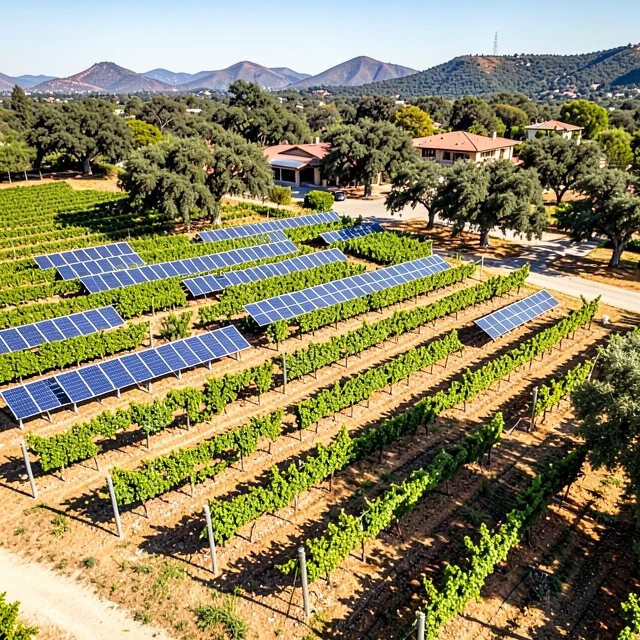
The Future of Sustainable Winemaking
The Future of Sustainable Winemaking looks promising as technology meets tradition. Growers now use drones to spot stressed vines early. AI helps predict weather impacts and optimize decisions.
Many experiment with blending wines from different years to maintain consistency despite variable harvests. Others revive ancient techniques like dry farming that use less water.
New wine regions emerge in places like England, Canada, and northern Europe as conditions become more suitable. Meanwhile, traditional areas focus on preserving their unique character through careful adaptation.
Sustainability in Winemaking goes beyond the environment. It includes fair treatment of workers and strong community ties. Consumers increasingly seek wines from producers who care about these issues.
Practical Steps for Growers Today
If you manage a vineyard, start small but think long-term. Test new grape varieties on a few acres. Improve soil with compost and cover crops. Install weather stations and soil moisture sensors.
Connect with local extension services and research institutions. Many offer free advice tailored to your region. Track your carbon footprint and water use to identify the biggest opportunities for improvement.
Collaboration helps too. Join grower networks to share what works. Support research into heat-resistant varieties and innovative tools.
A Hopeful Outlook
Climate change presents serious challenges for wine production. But growers worldwide show remarkable creativity and determination. Through smart adaptation strategies, commitment to sustainability, and leadership from companies like Jackson Family Wines, the industry can continue producing exceptional wines for generations.
The key lies in acting now with both traditional wisdom and new innovations. Every vineyard that adapts successfully helps secure the future of wine.