Wine Marketing Strategies for Small Producers: A Practical Guide to Standing Out
Small wine producers face unique challenges in today's crowded market. This guide shares practical wine marketing strategies for small producers to help you connect with customers, tell your story, and grow sustainably. Whether you're just starting or looking to scale, these insights offer real value.
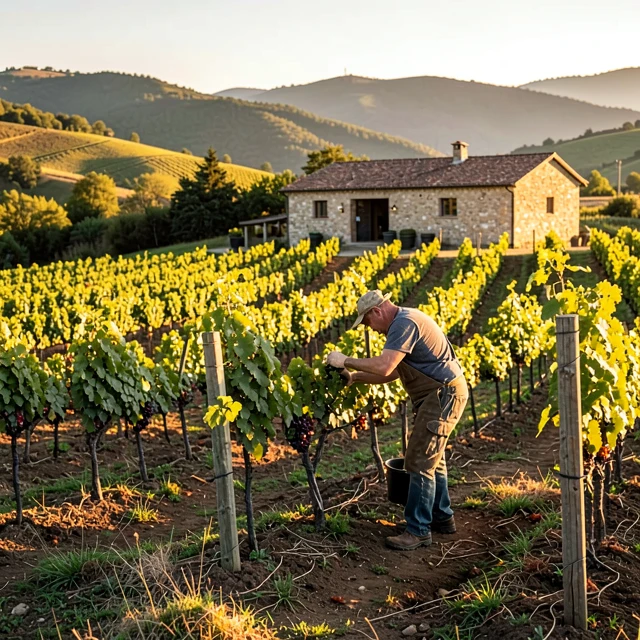
The wine industry has changed a lot. Big brands still dominate shelves, but the rise of small wine brands shows that authenticity and personal connection win hearts. Consumers want to know the people behind the bottle. As a small producer, you have a natural advantage here.
I remember visiting a tiny winery in a rural area years ago. The owner poured samples and shared stories about each vintage. That personal touch made me a loyal customer. Experiences like this highlight why storytelling beats flashy ads for small operations.
Before diving into tactics, understand your foundation. Books like The Business of Wine by Per V. Jenster (available via guides.library.cornell.edu) offer excellent insights into industry economics. Pair that with Exploring the Wine Business: Insights and Strategies to grasp market dynamics.
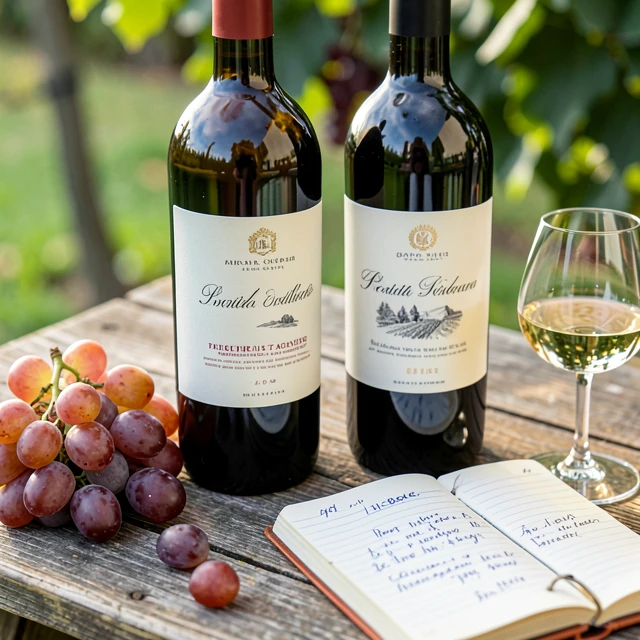
Start with knowing your customer. Who buys your wine? What do they care about — sustainability, unique flavors, or supporting local makers? Use simple surveys at tastings or online forms to gather this data.
Build a strong online presence. Your website is your digital storefront. Make it easy to shop, with clear stories about your wines. Add high-quality photos and videos of your vineyard and process. Mobile-friendly design is essential since many people browse on phones.
Social media helps small producers reach new audiences without huge budgets. Share behind-the-scenes content: grape harvesting, barrel tasting, or family moments. Post consistently but keep it genuine. Instagram and Facebook work well for visuals.
Email marketing remains one of the best tools. Build a list by offering discounts for sign-ups. Send newsletters with tasting notes, recipes, or exclusive offers. This direct line keeps customers coming back.

Storytelling is your secret weapon. Share how you craft each wine. Reference The Science of Winemaking Explained to add depth without overwhelming readers. Explain choices like organic practices or unique terroir in simple terms.
Here are key wine marketing strategies for small producers:
- Direct-to-consumer sales: Focus on your tasting room, wine club, and online store. These channels give better margins than wholesale.
- Events and experiences: Host small dinners, vineyard tours, or virtual tastings.
- Partnerships: Team up with local restaurants, shops, or complementary businesses.
- Content marketing: Blog about your process or seasonal tips.
Use data wisely. Track what works — website traffic, email open rates, or event attendance. Adjust based on results. Many small producers see strong returns from targeted social ads to wine enthusiasts in their region.
Packaging matters too. Your label should reflect your brand story. Consider sustainable options to appeal to eco-conscious buyers. Unique bottle shapes or artwork can make your wine memorable on shelves.
Sustainability is a growing trend. Highlight your practices — from water conservation to biodiversity. Customers reward brands that align with their values.
Pricing strategy is crucial. Position your wine based on quality and uniqueness, not just competing on cost. Offer bundles or membership perks to increase average order value.
In my experience working with small producers, those who stay authentic grow steadily. One winemaker I know doubled club memberships by sharing harvest videos weekly.
Challenges exist, like limited budgets or distribution hurdles. Overcome them by focusing on what you control: quality, relationships, and consistent marketing.
In summary, successful wine marketing strategies for small producers blend digital tools with personal connections. Stay true to your roots, engage customers meaningfully, and keep learning from resources like The Business of Wine by Per V. Jenster. With patience and creativity, your brand can thrive.