Sustainable Winemaking Practices in Oregon: Leading the Way in Eco-Friendly Viticulture
Discover how Oregon winemakers blend tradition with environmental care to produce world-class wines. This guide explores sustainable winemaking practices in Oregon, focusing on the renowned Willamette Valley and its impact on Pinot Noir perfection.
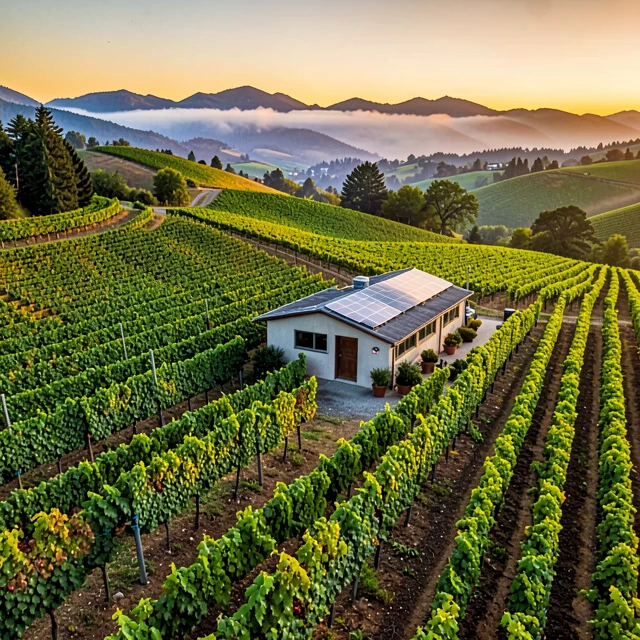
Oregon stands out as a leader in sustainable wine production. The state has a deep commitment to protecting its natural environment, which shapes every step of winemaking. Visitors and wine lovers often seek out experiences that highlight both great taste and good stewardship.
When you think of Oregon wine country, Pinot Noir Perfection: Exploring Oregon’s Wine Country comes to mind. The cool climate and careful farming produce elegant, complex wines that reflect their origins. But behind the bottles lies a story of dedication to sustainability.
Understanding The Unique Terroir of Willamette Valley
The Willamette Valley offers ideal conditions for growing Pinot Noir. Its soils mix volcanic basalt and marine sediments, providing excellent drainage and mineral richness. Cool marine air and significant day-night temperature shifts help grapes develop balanced flavors and bright acidity.
This special terroir allows winemakers to farm with fewer inputs. Many vineyards use dry farming techniques once vines establish deep roots, reducing water use significantly. This approach not only conserves resources but often results in more concentrated, flavorful grapes.
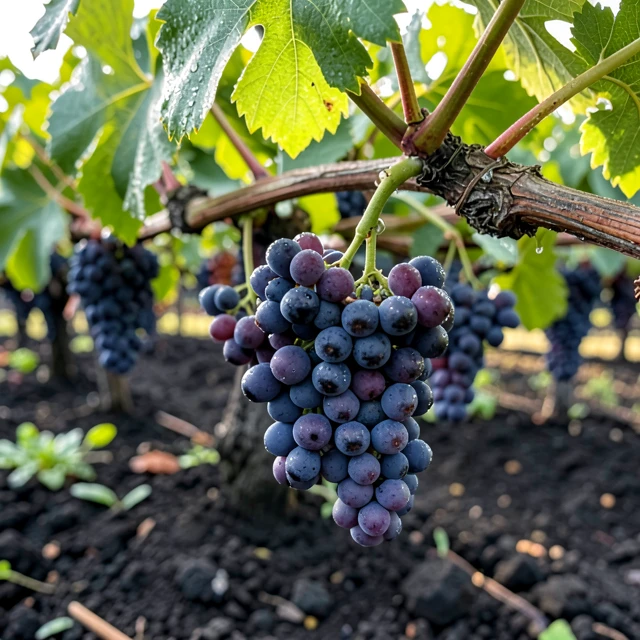
Farmers here pay close attention to biodiversity. They plant cover crops between vine rows to prevent erosion, build soil health, and attract beneficial insects. These practices reduce the need for chemical pesticides and fertilizers.
Key Sustainable Winemaking Practices in Oregon
Oregon wineries follow several certification programs that verify their environmental efforts:
- LIVE (Low Input Viticulture and Enology): Focuses on reducing chemical inputs and promoting whole-farm sustainability. Many top producers hold this certification.
- Salmon-Safe: Protects watersheds and aquatic habitats.
- Organic and Biodynamic: Emphasize natural methods and soil vitality.
- B Corp: Considers broader social and environmental impact.
These standards cover everything from vineyard management to winery operations, including energy use, water conservation, and waste reduction. Oregon has the highest percentage of certified sustainable vineyards among major U.S. wine regions.
Winemakers also invest in renewable energy. Solar panels power many facilities, and lightweight bottles help lower the carbon footprint of shipping.
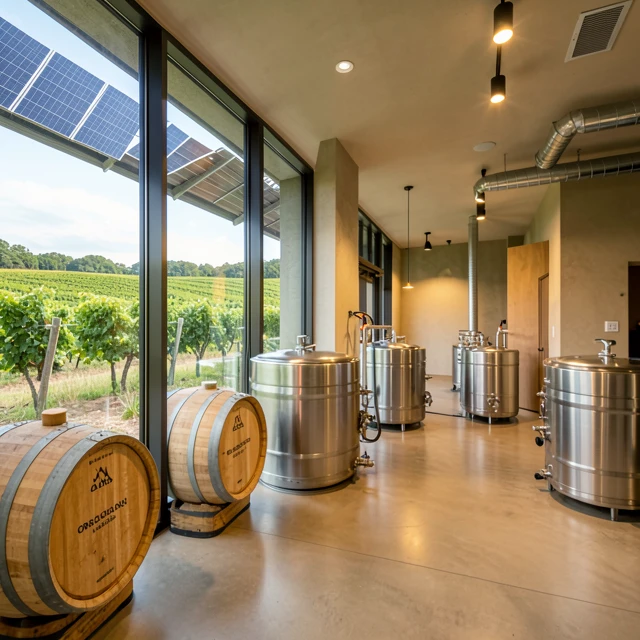
Jackson Family Wines: A Leader in Oregon Sustainability
Jackson Family Wines demonstrates strong commitment to these values across its Oregon properties. Their vineyards locations include notable sites like WillaKenzie Estate, Zena Crown Vineyard, and Gran Moraine in the Willamette Valley.
These estates produce outstanding Pinot Noir while prioritizing environmental health. Practices include integrated pest management, habitat preservation, and careful soil management. Jackson Family Wines brings expertise from their global operations to enhance local sustainable efforts.
One visit to their properties shows how thoughtful vineyard design supports both nature and quality wine production. They balance commercial success with long-term land stewardship.
Actionable Insights for Wine Lovers and Aspiring Growers
When buying Oregon wine, look for certification logos on the bottle. These indicate verified sustainable practices. Supporting these producers helps encourage more farms to adopt similar methods.
Visit during harvest season to see sustainable practices in action. Many wineries offer tours that explain their approach to farming and winemaking. You will gain appreciation for the effort behind each glass.
At home, store your wines properly and enjoy them mindfully. Consider how your choices as a consumer impact the industry. Every purchase of sustainably made wine sends a positive signal.
Challenges and Future Outlook
Climate change brings new hurdles, such as shifting weather patterns. Oregon winemakers respond with adaptive techniques like improved canopy management and continued focus on resilient farming systems.
The industry collaborates through organizations that share best practices. This collective effort keeps Oregon at the forefront of sustainable winemaking.
In summary, sustainable winemaking practices in Oregon combine respect for nature with the pursuit of excellence. The result is world-class Pinot Noir that tells the story of its place while protecting it for future generations.
The next time you open a bottle from Oregon’s Wine Country, remember the thoughtful choices that helped create it. Raise a glass to the winemakers who prove that great wine and environmental care go hand in hand.