Sustainable Winemaking: Practices and Benefits
Sustainable winemaking combines smart farming with careful winemaking to create great wines while caring for the planet. Growers use less water and fewer chemicals. They build healthy soil and support local communities. This approach helps vineyards stay strong for future generations. In this guide, you will learn key practices and real benefits that make sustainable wine special.
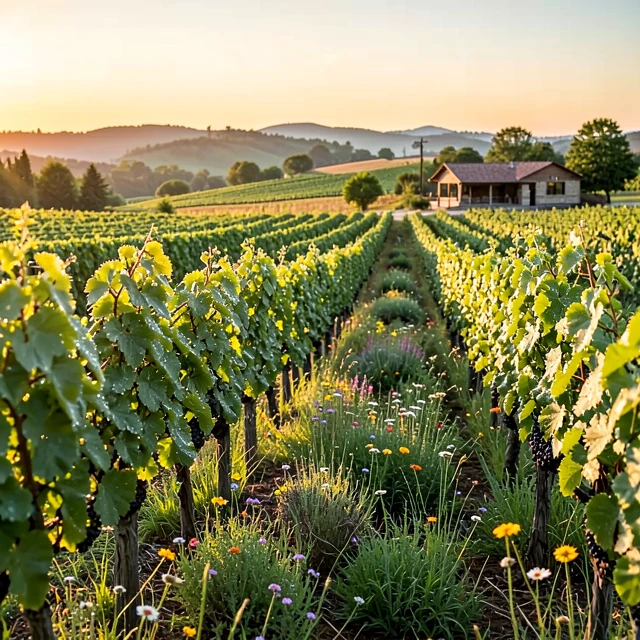
I remember walking through a family-owned vineyard in California a few years ago. The owner pointed out birds and insects thriving among the vines. He explained how they stopped using harsh chemicals years earlier. The grapes tasted better, and the soil felt alive. That experience showed me why sustainable winemaking matters so much today.
What Is Sustainable Winemaking?
Sustainable winemaking focuses on three main areas: caring for the environment, supporting people, and keeping the business strong. It goes beyond organic methods. Growers manage the entire ecosystem. They think about water, energy, soil, workers, and waste.
Many wineries follow programs like those from the Wine Institute. These programs help vineyards stay environmentally sound, socially fair, and economically viable. The goal is simple: make excellent wine today without harming tomorrow.
Unlike conventional farming, sustainable practices reduce chemical use. They promote biodiversity and conserve resources. This creates stronger vines that resist disease naturally. As a result, the wines often express their unique terroir more clearly.
Key Practices in Sustainable Winemaking
Sustainable growers use many practical methods. Here are some of the most effective ones:
-
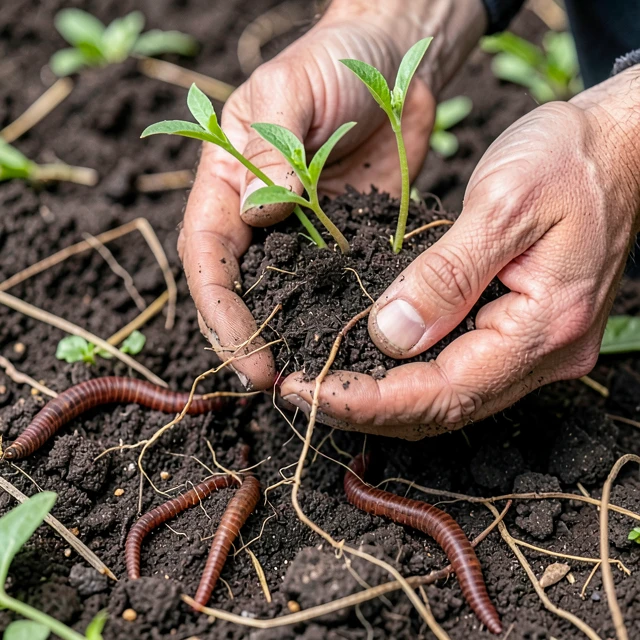
Soil Health Management: They plant cover crops like clover and grasses between vine rows. These plants prevent erosion, add nutrients, and feed beneficial microbes. Composting turns winery waste into rich fertilizer.
-
Water Conservation: Drip irrigation delivers water exactly where needed. Many collect rainwater or recycle winery wastewater. In dry regions, this saves millions of gallons each year.
-
Biodiversity Enhancement: Vineyards become habitats for birds, insects, and animals. Growers avoid pesticides that harm these helpers. Instead, they use natural predators to control pests.
-
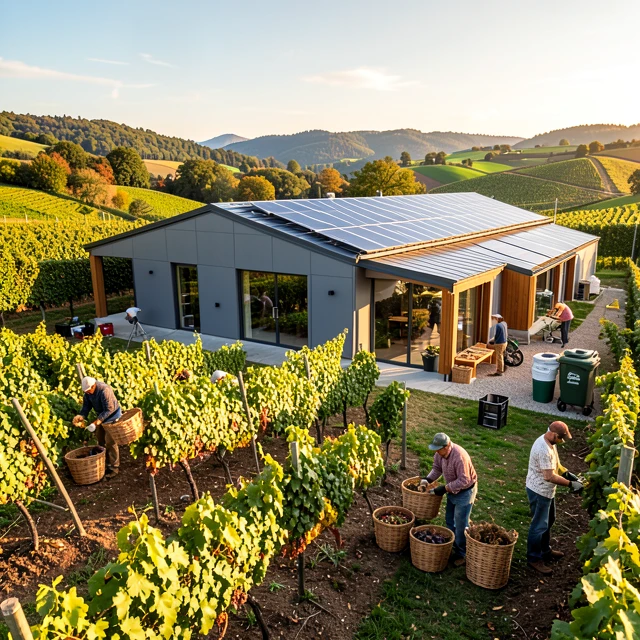
Energy Efficiency: Solar panels power wineries. They use gravity instead of pumps when possible. Lightweight bottles reduce transportation emissions.
-
Biodynamic and Regenerative Approaches: Some go further with biodynamic methods. They follow lunar cycles and use special preparations made from farm materials. Regenerative practices actually improve soil over time and capture carbon from the air.
These practices require more hands-on work at first. But they pay off. Vines become more resilient to climate challenges like drought and heat. I have tasted side-by-side wines from the same area. The sustainable ones often show more complexity and balance.
Environmental Benefits You Can See
Sustainable winemaking protects nature in clear ways. Healthier soils store more carbon. This helps fight climate change. Cleaner water flows from the land because fewer chemicals run off. Biodiversity increases as insects and birds return.
One study area showed vineyards using cover crops cut erosion dramatically. Another reported big drops in water use. These changes matter especially as weather patterns shift. Sustainable vineyards adapt better and stay productive longer.
Economic and Social Advantages
Sustainability makes good business sense too. Lower chemical and water costs add up. Many consumers happily pay more for wines that match their values. This creates stronger brands and loyal customers.
On the social side, fair labor practices and safe working conditions attract good employees. Family-owned wineries often lead here. They preserve heritage while adapting to modern challenges. You can explore this connection further in pieces like Wine Tourism: Experience the Charm of Family-Run Vineyards and Family-Owned Wineries: Preserving Heritage in a Corporate World.
I once visited a small winery that switched to sustainable methods. The owner shared how it strengthened their connection with the local community. Tourists loved learning about the practices. Sales grew as people shared their positive experiences.
How Sustainable Wine Tastes Better
Many wine lovers notice the difference. Healthier grapes create more flavorful wines. The natural balance shines through. You taste the place where the grapes grew instead of added flavors.
If you want to develop your palate, check out resources like The Ultimate Wine Tasting Guide or A Guide to Wine Tasting: Tips and Tricks for Beginners. Understanding these helps you appreciate what sustainable practices bring to your glass.
Getting Started with Sustainable Choices
You do not need to be a winemaker to support this movement. Look for certifications when shopping. Common ones include organic, biodynamic, and specific sustainable labels. Ask questions at your local wine shop.
Here is a quick checklist:
- Choose wines from regions known for sustainability programs
- Support family-owned producers
- Try wines packaged in lighter bottles or alternative formats
- Visit vineyards that offer educational tours about their practices
Challenges and the Road Ahead
Switching to sustainable methods costs money upfront. Some regions face unique climate pressures. But innovation helps. New tools for monitoring soil and water make the work easier. More wineries share knowledge through groups and certifications.
The future looks promising. Consumers drive demand. Young winemakers bring fresh energy. Together, we can keep great wine flowing while healing the land.
Sustainable winemaking shows that quality and responsibility go hand in hand. Every choice in the vineyard and cellar adds up. The result is wines you can enjoy with a clear conscience.
In summary, sustainable winemaking protects our environment, strengthens communities, and often produces exceptional wines. By supporting these practices, you help ensure beautiful vineyards and great bottles for years to come. Next time you pour a glass, think about the story behind it. Choose wisely and taste the difference.