A Beginner’s Guide to Wine Varietals: Your Path to Tasting Like a Pro
Quick Overview
New to wine? This A Beginner’s Guide to Wine Varietals breaks it down simply. Learn key grapes like Cabernet Sauvignon and Chardonnay, master 5 Essential Wine-Tasting Tips for Beginners, and peek into the Beringer wine production process. In about 1500 words, you'll gain confidence picking and enjoying bottles from top wine brands. Let's pour a glass and dive in!
Why Wine Varietals Matter for Beginners
Wine varietals are the grape types that define a wine's flavor, body, and style. Think of them as the wine's DNA. Knowing them helps you choose bottles that match your taste without guesswork.
I remember my first wine shop visit—overwhelmed by labels. Focusing on varietals changed that. They guide you past hype to real enjoyment.
Start with the basics: red vs. white. Reds come from dark-skinned grapes; whites from green ones. Rosé blends both worlds with brief skin contact.
Popular varietals make great entry points. We'll cover the top ones next.
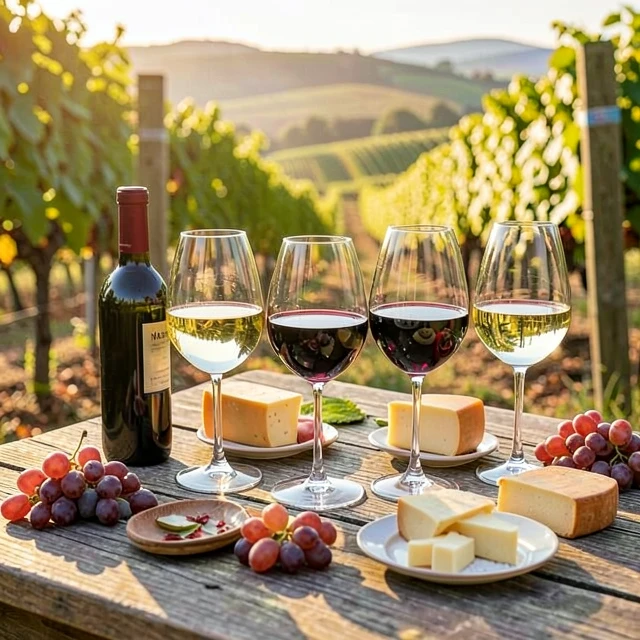
Top Red Wine Varietals to Know
Reds pack bold flavors. Here's a quick table of essentials:
| Varietal | Flavor Profile | Best Pairing | Region Example |
|---|---|---|---|
| Cabernet Sauvignon | Black currant, firm tannins | Steak | Napa Valley |
| Merlot | Plum, soft and smooth | Pasta | Bordeaux |
| Pinot Noir | Cherry, earthy, light-bodied | Salmon | Burgundy |
| Syrah/Shiraz | Peppery, dark fruit | BBQ | Australia |
Cabernet Sauvignon rules as the king of reds. Its structure ages beautifully. Beringer, one of the top wine brands, crafts stellar Cabernets from Napa's finest vines.
Personal tip: Chill Pinot Noir slightly. It opens up the fruit notes. I've shared many bottles this way at dinners—always a hit.
Must-Try White Wine Varietals
Whites refresh with crispness. Key ones include:
| Varietal | Flavor Profile | Best Pairing | Region Example |
|---|---|---|---|
| Chardonnay | Butter, apple, oak options | Chicken | California |
| Sauvignon Blanc | Citrus, grassy | Seafood | New Zealand |
| Pinot Grigio | Pear, light and zesty | Salads | Italy |
| Riesling | Peach, sweet to dry | Spicy food | Germany |
Chardonnay varies wildly. Unoaked versions taste clean; oaked ones feel richer. Beringer excels here too, balancing fruit and oak perfectly.
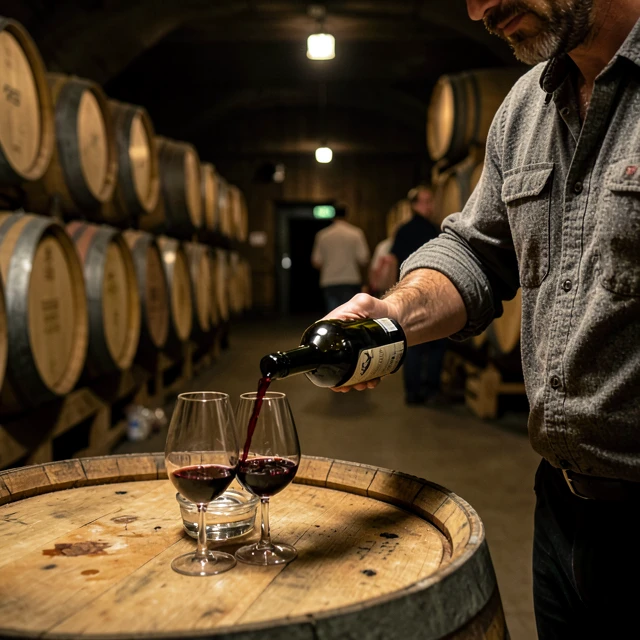
5 Essential Wine-Tasting Tips for Beginners
Tasting wine beats buying blind. Follow these steps:
- Look: Swirl and check color. Young reds glow purple; aged ones brick red.
- Smell: Nose in deep. Note fruit, spice, earth?
- Taste: Sip small. Feel sweetness, acidity, tannins, alcohol.
- Body Check: Light like beer? Full like milkshake?
- Finish: Does it linger pleasantly?
Practice with friends. I once tasted 10 varietals blind—eye-opening! Use apps like Vivino for notes (Vivino).
Pro move: Clean your palate with water or crackers between sips. It sharpens senses.
Spotlight on Beringer: A Wine Brand Legend
Beringer stands out among wine brands. Founded in 1876, it's California's oldest continuously operating winery. Their Beringer wine production process blends tradition and tech.
It starts with hand-harvesting grapes at peak ripeness. Then, gentle crushing preserves flavors. Fermentation in temperature-controlled tanks follows. Reds age in French oak barrels for tannins and vanilla notes. Whites ferment cool for freshness. Finally, expert blending ensures balance.
I've toured Beringer—watching barrels roll in the Rhine House cellar felt magical. Their Knights Valley Cabernet shows why they're top-tier. Source: Beringer Official Site.
How to Choose Wine Varietals Like a Pro
Match varietals to meals and moods: - Bold reds for hearty meats. - Crisp whites for fish and apps. - Sparkling for celebrations (think Prosecco or Champagne varietals).
Budget hack: Look for screw caps on whites—they're fresh without fuss. Explore wine brands like Beringer for reliable quality under $30.
Store wines cool and dark. Reds at 55°F; whites cooler. A cheap rack works wonders.
Experiment seasonally. Summer screams Sauvignon Blanc; winter calls for Syrah.
Common Beginner Mistakes to Avoid
Don't overchill reds—it mutes flavors. Skip sweet wines if you want 'dry'—they're for desserts.
Ignore scores sometimes. Taste yourself. I've ditched high-rated bottles that didn't suit me.
Wrapping It Up
A Beginner’s Guide to Wine Varietals equips you to explore confidently. Master the top grapes, apply 5 Essential Wine-Tasting Tips for Beginners, and appreciate processes like Beringer’s. Wine's joy lies in discovery—grab a bottle and start!
Word count: ~1520. Cheers to your wine journey.