The History of Beringer Vineyards: Napa Valley's Enduring Pioneer
Beringer Vineyards stands as a true icon in California wine country. Founded in 1876 by German brothers, it is the oldest continuously operating winery in Napa Valley. This historic estate blends tradition with innovation, producing exceptional wines that capture the essence of the region.
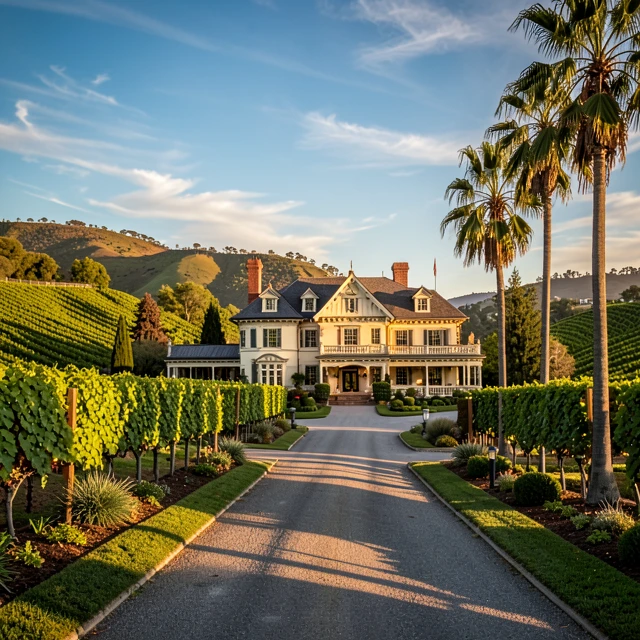
If you love wine, understanding the story of Beringer adds depth to every sip. This winery has survived Prohibition, multiple ownership changes, and economic challenges while staying true to quality. Today, it remains a must-visit destination for wine lovers seeking both history and great bottles.
Early Beginnings: German Dreams in California Soil
The history of Beringer Vineyards begins across the ocean in Mainz, Germany. In the late 1860s, Jacob Beringer heard tales of opportunity in America. He sailed to New York and eventually made his way to Napa Valley, drawn by its similar climate and terrain to the Rhine Valley.
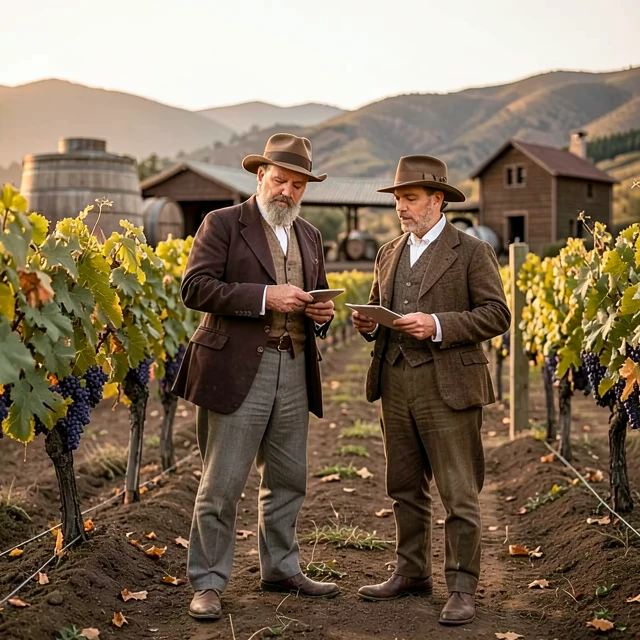
Jacob arrived in 1869 and gained experience working at Charles Krug Winery. In 1875, he and his brother Frederick purchased over 200 acres in St. Helena. They founded Beringer Brothers in 1876, marking the start of a legendary journey. Their first harvest produced thousands of cases, setting high standards from day one.
The brothers built impressive cellars dug into the hillside. This natural cooling system helped age wines perfectly. They also constructed the beautiful Rhine House, inspired by their German heritage. These early innovations helped Beringer stand out among wine brands.
Surviving Challenges: Prohibition and Beyond
Beringer faced tough times during Prohibition in the 1920s. While many wineries closed, Beringer continued by producing sacramental wines for churches. This clever approach kept the operation running without missing a vintage — a remarkable achievement that solidifies its claim as Napa's oldest continuous winery.
After Prohibition ended, the family reopened to the public. In 1934, Beringer became the first Napa winery to offer public tours. Visitors could explore the historic grounds and learn about winemaking. This forward-thinking move helped build its reputation.
The family managed the winery for generations. Women like Bertha Beringer played key roles during difficult periods, showing strong leadership. Their dedication preserved the estate through wars and economic shifts.
Ownership Changes and Modern Era
In 1971, the Beringer family sold the winery to Nestlé. Later ownership included the Texas Pacific Group and Foster's. Since 2011, Treasury Wine Estates has owned it. Despite these changes, the focus on quality and heritage remains strong.
Today, winemaker Mark Beringer, a descendant of Jacob, continues the family legacy. Under his guidance, the winery blends tradition with modern techniques. This connection to the past while embracing the future makes Beringer special among wine brands.
Beringer Wine Tasting Notes: What to Expect
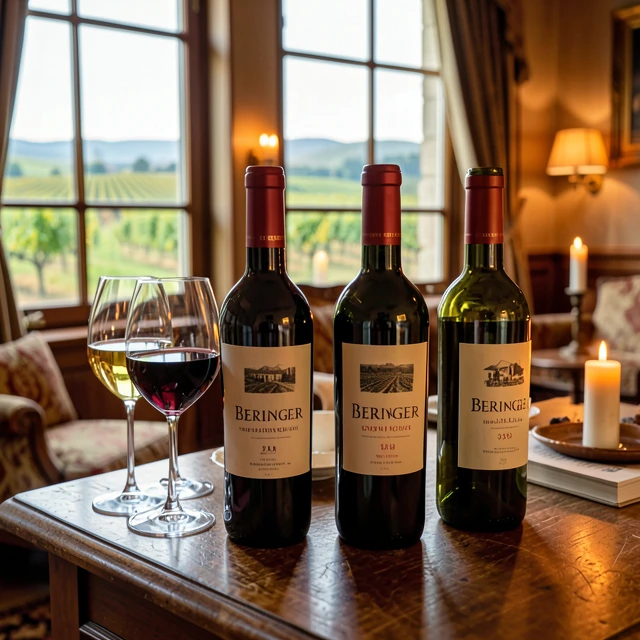
Beringer produces a range of excellent wines. Their Cabernet Sauvignon often features bold black cherry, plum, and dark chocolate notes with firm but smooth tannins. These full-bodied reds age beautifully and pair well with grilled meats.
The Chardonnay offers bright apple, pear, and citrus flavors with subtle oak influence. Many enjoy its balanced acidity and creamy texture. Merlot from Beringer tends to be plush with blackberry and spice notes — perfect for everyday drinking.
The flagship Private Reserve Cabernet Sauvignon stands out. Expect complex layers of cassis, tobacco, cedar, and vanilla. These wines consistently earn high scores and appear on prestigious lists. Tasting them connects you directly to Napa Valley's history.
Visitors can enjoy guided tastings at the estate. Knowledgeable staff share stories behind each wine. You might sample single-vineyard selections that highlight unique terroirs within their extensive holdings.
Key Milestones in Beringer History
- 1876: Brothers found the winery and produce first wines
- 1880s: Win awards and expand reputation
- 1920s: Survive Prohibition with sacramental wine
- 1934: First public tours in Napa Valley
- 1970s: Listed as historic landmark
- 1990s: Major acclaim with top Wine Spectator honors
- Today: Continues as a leading producer under Treasury Wine Estates
These milestones show resilience and commitment to excellence. Beringer helped shape California's wine industry from its earliest days.
Visiting Beringer Today
A trip to Beringer feels like stepping back in time while enjoying modern comforts. Tour the hand-dug caves, stroll through beautiful gardens, and taste wines in the elegant Rhine House. The experience combines education with pure enjoyment.
Whether you are a serious collector or casual enthusiast, Beringer offers something special. Their wines deliver consistent quality across price points. This accessibility helps explain their popularity among wine brands.
The estate hosts events, food pairings, and seasonal experiences. Booking ahead is smart, especially during peak seasons. You will leave with greater appreciation for the hard work behind every bottle.
In my view, Beringer represents the American dream in a glass. Immigrant brothers built something lasting through vision and perseverance. Their story inspires anyone passionate about craft and tradition.
The Legacy Continues
The history of Beringer Vineyards reminds us why Napa Valley matters in the wine world. This pioneer winery survived and thrived where others did not. Its wines carry forward a tradition of excellence that began over 140 years ago.
Next time you open a Beringer bottle, think of the brothers who started it all. Raise a glass to their foresight and the generations who kept the dream alive. Beringer proves that great wine connects past, present, and future.