Top Award-Winning Wines from Sustainable Vineyards: A Guide to Eco-Friendly Excellence
Sustainable winemaking combines great taste with care for the environment. Top award-winning wines from sustainable vineyards deliver complex flavors while protecting soil, water, and wildlife. These wines prove you do not have to choose between quality and responsibility.
Consumers today want bottles that taste excellent and support healthy ecosystems. Sustainable practices like regenerative farming, water conservation, and reduced chemical use create wines with pure expression of terroir. In this article, we explore standout examples, spotlight leaders in the field, and explain why sustainable wineries represent the future.
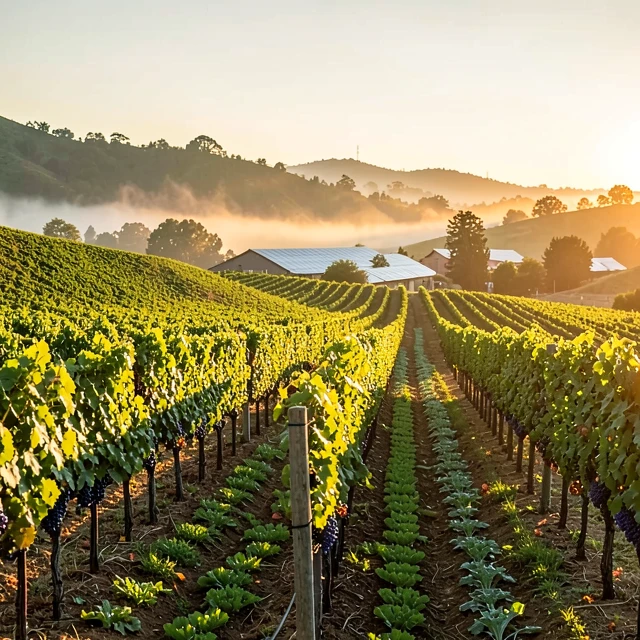
I remember my first sip of a Pinot Noir from a certified sustainable vineyard. The wine had bright cherry notes and silky texture, but knowing the grapes grew with care for the land made the experience richer. Sustainable methods often yield grapes with better balance and concentration because the vines work in harmony with nature.
How Jackson Family Wines Leads in Sustainability
Jackson Family Wines stands out as a pioneer in responsible winemaking. Their Rooted for Good initiative sets ambitious goals: cutting carbon emissions in half by 2030, transitioning all estate vineyards to regenerative farming, and becoming climate positive by 2050 without offsets.
The company has achieved third-party certifications across its California and Oregon estates, including California Sustainable Vineyard and Napa Green programs. They source a high percentage of fruit from certified sustainable growers and generate significant renewable energy onsite.
These efforts deliver real results. Jackson Family Wines has saved millions through efficiency projects while producing wines that consistently earn top scores and awards. Their approach proves sustainability strengthens both the business and the wines.
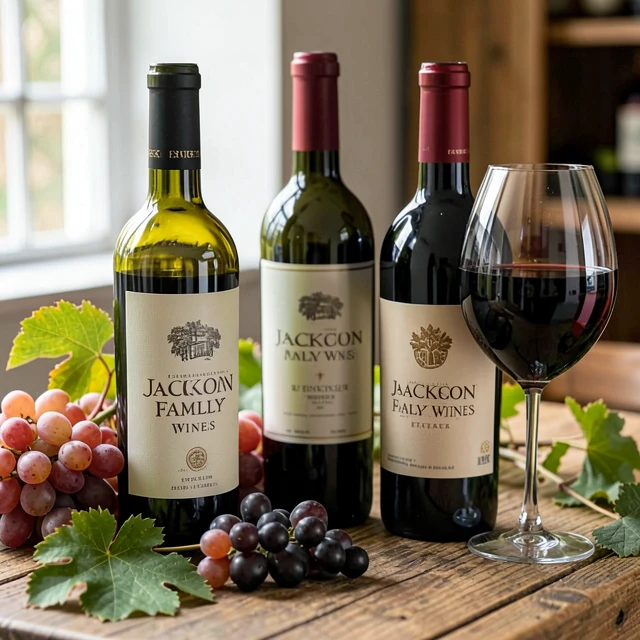
Jackson Family Wines award-winning wines include favorites like Kendall-Jackson Vintner's Reserve Chardonnay, known for its tropical fruit and creamy texture, and La Crema Sonoma Coast Pinot Noir with its bright red fruit and elegant structure. These wines come from vineyards managed with soil health and biodiversity in mind.
Other notable labels under the family umbrella, such as Freemark Abbey Cabernet Sauvignon and Stonestreet wines, showcase how sustainable practices support bold, age-worthy reds from premium California appellations.
By joining initiatives like International Wineries for Climate Action and the UN Race to Zero, Jackson Family Wines helps drive industry-wide change. Their leadership shows large-scale producers can prioritize the planet while delivering exceptional quality.
Why Sustainable Wineries Are the Future
Climate change, water scarcity, and soil degradation challenge traditional agriculture. Sustainable wineries address these issues head-on through practices that build resilience.
Regenerative farming improves soil structure, increases carbon sequestration, and boosts biodiversity. Cover crops prevent erosion and support beneficial insects that naturally control pests. Reduced tillage keeps carbon in the ground instead of releasing it into the air.
Water conservation matters deeply in dry regions. Drip irrigation, soil moisture monitoring, and rainwater harvesting help wineries use this precious resource wisely. Many sustainable operations also invest in solar power and energy-efficient equipment to lower their carbon footprint.
Studies from academic sources confirm these benefits. According to research on sustainable winegrowing practices, certified programs have helped California wineries save energy, reduce emissions, and protect watersheds.
Another valuable resource explores how regenerative practices affect vineyard economics and wine quality. Healthier soils often produce grapes with more complex flavors and better natural balance.
Consumers increasingly seek brands that match their values. Sustainable wines appeal to people who want to enjoy a glass while supporting positive environmental impact. This growing demand encourages more producers to adopt better practices.
Exploring More Award-Winning Wines from Sustainable Vineyards
Beyond Jackson Family Wines, many producers create outstanding sustainable bottles that earn recognition in competitions and critic scores.
Look for wines from estates practicing organic or biodynamic methods alongside broader sustainability certifications. These often feature vibrant acidity, pure fruit expression, and distinctive minerality that reflect healthy vineyard ecosystems.
Popular regions for sustainable wines include California’s Sonoma and Napa Valleys, Oregon’s Willamette Valley, and parts of Europe embracing similar principles. Pinot Noir, Chardonnay, Cabernet Sauvignon, and Sauvignon Blanc frequently shine in sustainable programs.
When shopping, check for certifications like California Sustainable Winegrowing, Napa Green, or international equivalents. These labels indicate rigorous standards for environmental stewardship, social responsibility, and economic viability.
Here is a quick list of characteristics to seek in top sustainable wines:
- Bright, fresh fruit flavors without heaviness
- Balanced acidity and structure
- Clean finish with minimal intervention notes
- Story of the vineyard and farming practices on the back label
- Third-party certifications

Sustainable methods can enhance wine quality. Vines that face natural stresses in balanced ways often develop thicker skins and more phenolic compounds, leading to wines with better color, aroma, and aging potential.
Personal insight: I have tasted side-by-side comparisons where sustainably farmed wines showed more vibrant aromatics and livelier palates. The difference comes from grapes grown in living soils full of microbial activity.
Actionable tip: Start your exploration with widely available sustainable options from trusted producers. Attend tastings that highlight eco-friendly wines or join clubs that curate responsible selections. Over time, you will develop preferences while supporting positive change.
Bringing It All Together
Top award-winning wines from sustainable vineyards offer the best of both worlds: delightful drinking experiences and meaningful environmental benefits. Leaders like Jackson Family Wines demonstrate how commitment to sustainability drives innovation and quality.
As more producers adopt regenerative and resource-efficient practices, the wine industry moves toward a healthier future. Choosing these wines lets you enjoy every sip with a clear conscience.
The next time you select a bottle, consider its journey from vineyard to glass. Wines from sustainable vineyards often tell richer stories and deliver more satisfying flavors.