Regenerative Farming in Vineyards: What It Means for Your Glass
Imagine raising a glass of wine that not only tastes amazing but also supports healthier soil, cleaner water, and a stronger planet. That's the promise of regenerative farming in vineyards. This approach goes beyond simply avoiding harm—it actively improves the land where grapes grow. In this article, we dive deep into what regenerative farming means for winemakers and wine lovers alike, especially in the dynamic world of New World wines.
What Is Regenerative Farming in Vineyards?
Regenerative farming focuses on rebuilding soil health, increasing biodiversity, and capturing carbon from the atmosphere. In vineyards, growers use practices like planting cover crops between vine rows, applying compost, reducing or eliminating tillage, and sometimes grazing animals such as sheep or chickens to naturally manage weeds and add nutrients.
Unlike conventional farming that can deplete soil over time, regenerative methods treat the vineyard as a living ecosystem. Healthy soil full of microbes and organic matter helps vines become more resilient to drought, pests, and climate shifts. The result? Grapes that better express their unique terroir.
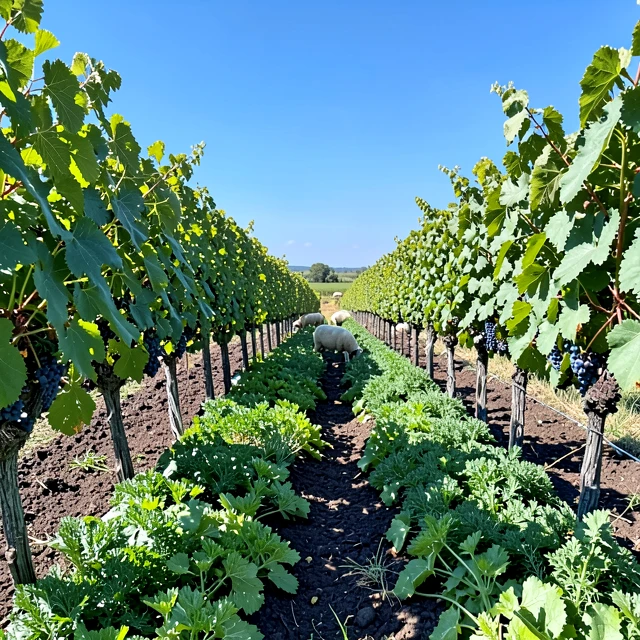
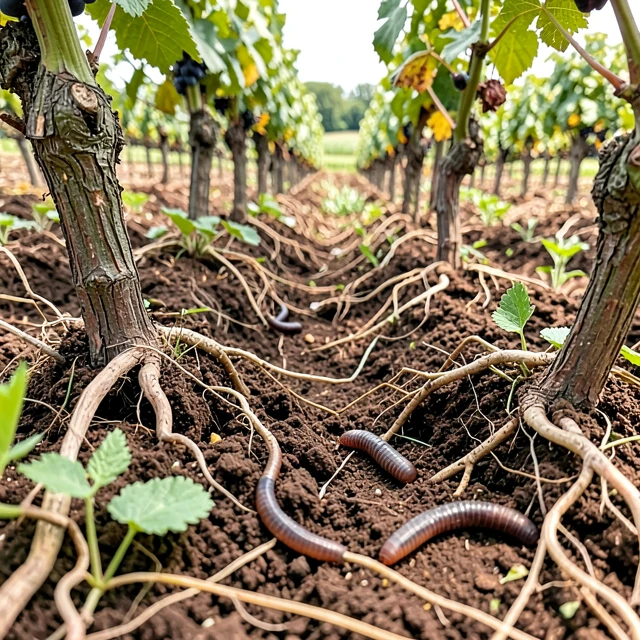
I remember visiting a vineyard where the soil felt alive—soft, crumbly, and teeming with earthworms. The winemaker explained how years of regenerative practices transformed compacted dirt into a sponge that holds water beautifully. That personal experience showed me why these methods matter.
How Regenerative Practices Improve Wine Quality
Healthy soil leads to stronger vines and more complex grapes. Studies and winemaker reports suggest wines from regenerative vineyards often show enhanced minerality, layered aromas, and better balance. The microbial life in the soil influences the grape's chemistry, which carries through to the finished wine.
For example, increased organic matter improves water retention and nutrient cycling. Vines don't need as many synthetic inputs, allowing natural flavors to shine. Many tasters note that these wines taste more vibrant and true to their origin.
Key practices include:
- Cover cropping: Plants like clover or grasses add nitrogen and prevent erosion.
- Composting: Recycles vineyard waste into rich soil amendments.
- Livestock integration: Animals provide natural fertilization and pest control.
- Minimal tillage: Preserves soil structure and beneficial fungi.
These steps create a virtuous cycle where the vineyard gives back more than it takes.
An Insight into New World Wines
New World wine regions—such as California, Australia, Chile, South Africa, and New Zealand—have embraced regenerative farming with enthusiasm. These areas often have younger vineyard traditions, making it easier to adopt innovative approaches without centuries of established conventional methods.
The Rise of New World Wines: A Comprehensive Guide reveals how these regions prioritize sustainability alongside quality. Many New World producers combine regenerative techniques with modern technology to create wines that compete with—and often surpass—traditional Old World styles in freshness and environmental responsibility.
In places like California's Napa Valley or Australia's McLaren Vale, you will find wineries leading the charge. They prove that caring for the land can produce outstanding bottles while preparing for climate challenges.
Sustainable Practices in Modern Winemaking
Regenerative farming forms the foundation, but sustainable winemaking extends into the cellar too. Wineries reduce water use, manage waste creatively, and minimize energy consumption during fermentation and bottling.
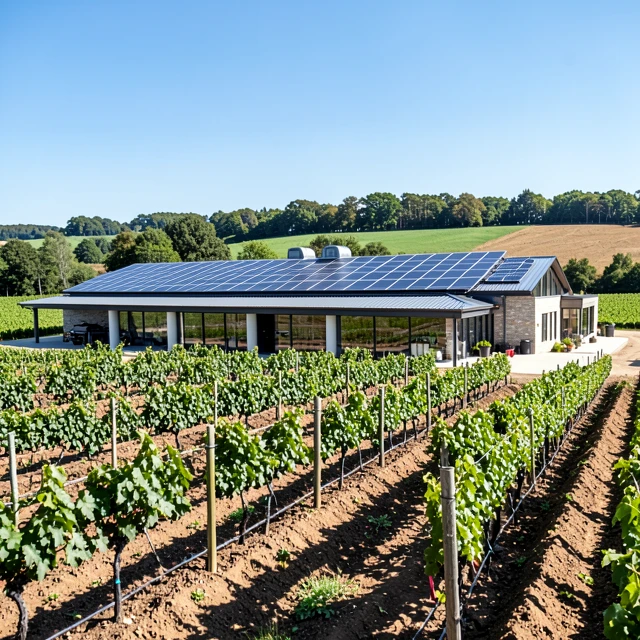
One exciting development is The Impact of Solar Power in Wineries. Many facilities now install solar panels to power crushing equipment, temperature-controlled tanks, and lighting. Some operations generate most or all of their electricity from the sun, dramatically cutting carbon emissions.
For instance, several California wineries use large solar arrays combined with battery storage, allowing them to run more independently and save on costs. This clean energy pairs perfectly with regenerative vineyard practices, creating a full-circle sustainable system.
From my perspective, these combined efforts make wine production more future-proof. When you choose bottles from producers using these methods, you support farms that actively fight climate change by sequestering carbon in the soil.
Actionable Insights for Wine Lovers
Next time you shop for wine, look for labels or stories mentioning regenerative, organic, or biodynamic practices. Ask your local wine shop or sommelier about producers leading in sustainability. Many New World wines now highlight these efforts on their websites or back labels.
You can also support the movement by visiting regenerative vineyards if you travel. Tours often include walks through the vines where you can see cover crops and learn directly from growers. Small actions like these help scale positive change.
Here's a quick comparison of farming approaches:
| Aspect | Conventional | Regenerative |
|---|---|---|
| Soil Health | Often declines | Actively improves |
| Biodiversity | Lower | Significantly higher |
| Chemical Inputs | High | Minimal or none |
| Carbon Impact | Neutral or negative | Sequesters carbon |
| Wine Expression | Consistent but less complex | More terroir-driven and vibrant |
Regenerative methods may require more initial labor, but many growers report stable or improved yields over time along with superior grape quality.
The Bigger Picture: Why It Matters for Your Glass
Every sip of wine connects you to the land and the people who farm it. Regenerative farming in vineyards ensures that future generations can enjoy great wine from thriving ecosystems. It delivers bottles with authentic character while addressing environmental challenges head-on.
As New World wines continue their impressive rise, sustainable practices like regenerative agriculture and solar energy use set new standards for the entire industry. These winemakers show that excellent quality and planetary care can go hand in hand.
In summary, regenerative farming creates wines that taste better because they come from healthier vines and soils. It represents a hopeful shift toward more responsible winemaking that benefits everyone who loves a good glass.