Consumer Trends: The Rise of Organic Wine
Organic wine has moved from a niche choice to a mainstream favorite. More people now seek wines made with care for the planet and their health. This shift reflects broader Consumer Trends: The Rise of Organic Wine, where buyers want cleaner labels and responsible production.
In recent years, the global organic wine market has shown strong growth. Projections indicate it could reach around $30 billion by 2033, with a compound annual growth rate of about 10.6%. Younger drinkers, especially millennials and Gen Z, drive much of this demand. They value sustainability and are willing to pay a premium for products that match their values.
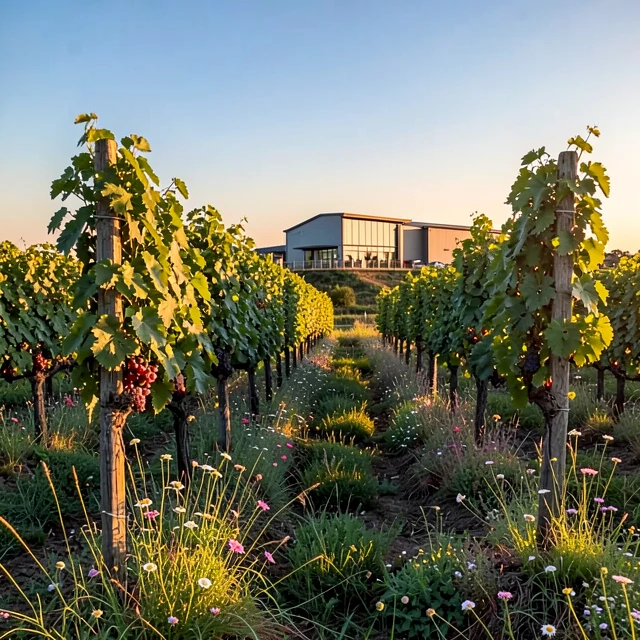
What makes a wine organic? In the United States, the USDA National Organic Program sets clear rules. Grapes must grow without prohibited synthetic pesticides, fertilizers, or genetic engineering. Winemakers follow strict standards during production too. For a wine to carry the full 'organic' label, it usually needs no added sulfites, only naturally occurring ones below 10 parts per million.
You can also find wines labeled 'made with organic grapes.' These use 100% organic grapes but may allow limited added sulfites. Both categories require third-party certification. This system gives consumers confidence that the product meets high standards for environmental care and purity. Check the USDA National Organic Program overview for full details on how certification works.
I remember my first sip of a certified organic red wine at a small tasting event. The flavors felt brighter and more alive than many conventional options I had tried. That experience sparked my curiosity about how farming methods affect the final glass.

Health plays a big role in the rise of organic wine. Many people report fewer headaches after drinking organic options, possibly due to lower or no added sulfites. Organic grapes often grow in healthier soils, which may lead to wines with more natural antioxidants and better balance. While taste is personal, studies suggest eco-friendly wines can express their terroir more clearly.
Environmentally, organic vineyards avoid synthetic chemicals that can harm soil, water, and wildlife. They promote biodiversity by using cover crops, composting, and natural pest control. This approach builds stronger ecosystems and supports long-term vineyard health.
Leading wine brands have embraced these changes. Jackson Family Wines stands out with its commitment to organic and sustainable practices. The company has achieved organic certification for many of its Napa Valley estate vineyards. Through initiatives like regenerative farming, Jackson Family Wines and organic vineyards focus on soil health, water conservation, and reducing carbon emissions. Their efforts show how large producers can scale responsible winemaking while delivering quality.
Here are some key consumer drivers behind the trend:
- Health awareness: Preference for cleaner products with fewer additives.
- Environmental values: Support for farming that protects nature.
- Transparency: Desire for clear labeling and traceability.
- Taste and quality: Perception that organic wines offer unique, vibrant flavors.
- Social influence: Younger generations sharing experiences on social media.
Market data backs this up. In North America, the organic wine segment continues to expand as consumers align purchases with wellness goals. Red organic wines often lead in popularity, but white and sparkling options are gaining ground too.

How can you start exploring organic wines? Begin by looking for the USDA organic seal or 'made with organic grapes' on labels. Ask your local wine shop for recommendations from certified producers. Try pairing organic reds with hearty meals and whites with lighter dishes to notice flavor differences.
Consider these actionable tips:
- Read labels carefully – note the certifying agent.
- Start with well-known wine brands that have organic lines.
- Attend tastings or virtual events focused on sustainable wines.
- Compare prices and quality – many organic options now offer great value.
- Support producers like Jackson Family Wines that invest in regenerative practices.
Challenges remain. Organic production can cost more due to labor-intensive methods and lower yields in some cases. Certification takes time and money. Yet, growing consumer demand encourages more vineyards to convert, which helps bring prices down over time.
Personal insight: Switching to mostly organic wines changed how I think about every bottle. I feel better knowing the grapes grew in living soil and that the winemaker avoided harsh chemicals. The wines often taste more expressive and connect me to the place they come from.
In summary, Consumer Trends: The Rise of Organic Wine reflect deeper values around health, sustainability, and quality. As more people discover the benefits, the category will keep expanding. Brands like Jackson Family Wines help lead the way with certified organic vineyards and forward-thinking stewardship.
The future looks bright for wines made with respect for nature. Next time you shop, consider reaching for an organic option. Your glass – and the planet – may thank you.