Understanding the Influence of Terroir in Modern Winemaking
Terroir is the secret ingredient in every great bottle of wine. Understanding the Influence of Terroir in Modern Winemaking reveals how the land, weather, and location create distinctive tastes. This article explores its role today, with insights into Jackson Family Wines and how they compare to other wine brands.
Terroir comes from the French word meaning 'land' or 'territory.' It refers to the unique combination of natural factors that influence grape growth and wine character. The main elements include soil, climate, topography, and the human element of vineyard management.
Soil is foundational. Different types affect water retention, nutrients, and even mineral flavors in the wine. For instance, gravelly soils in Bordeaux promote excellent drainage, leading to concentrated Cabernet Sauvignon. In contrast, loamy soils in parts of California retain moisture for balanced growth.
Climate encompasses temperature, rainfall, sunlight, and wind. Macroclimate covers large regions, while microclimate is the specific spot around the vine. A cool, foggy climate like that in coastal California slows ripening, preserving acidity and developing complex aromas.
Topography includes elevation, slope, and aspect (direction the slope faces). Higher altitudes often mean cooler nights, which help maintain freshness in the grapes. South-facing slopes in the Northern Hemisphere get more sun, speeding up ripening.
Human practices, such as organic farming or irrigation choices, also shape terroir. Modern winemakers increasingly see themselves as stewards of the land rather than controllers. This holistic view ensures that wines reflect their origin authentically.
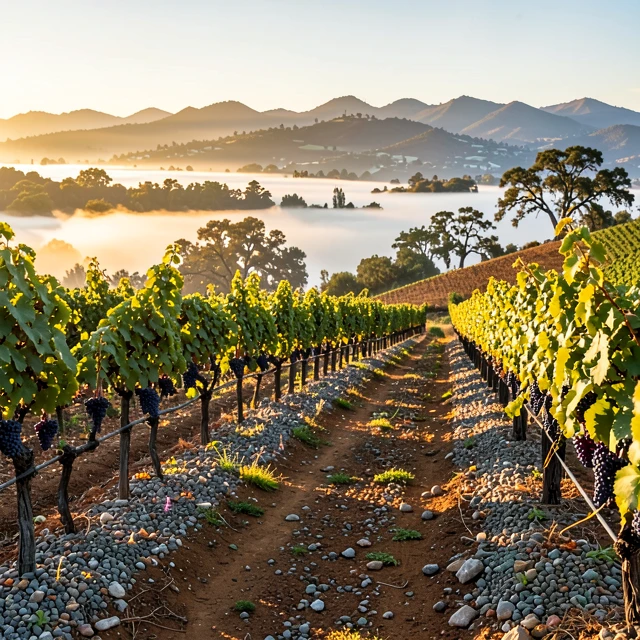
Terroir directly shapes the flavor, aroma, and structure of wine. Grapes grown in different terroirs produce wines with unique profiles even from the same variety.
Take Chardonnay. In cool-climate Burgundy, it offers apple, citrus, and mineral notes with high acidity. In warmer California, it develops tropical fruit flavors like pineapple and mango with a creamier texture.
Red wines follow suit. Pinot Noir from Oregon's cooler sites shows bright cherry and earthiness. From warmer spots, it leans toward darker fruit and spice.
Biodiversity in the vineyard adds another layer. Insects, plants, and microbes in the soil contribute to vine health and subtle flavor nuances.
In modern winemaking, understanding these influences helps producers create wines that stand out. They use data from soil tests and weather stations to make precise decisions. Yet, the goal remains expressing the place, not masking it with additives.
This knowledge empowers consumers too. By learning about terroir, you can pick wines that match your taste preferences more accurately.
Modern winemaking brings both opportunities and challenges to terroir. Advances in technology like precision viticulture allow winemakers to monitor every aspect of the vineyard in real time. Drones and sensors provide data that helps optimize for the best expression of the land.
However, climate change threatens traditional terroirs. Warmer temperatures can alter grape ripening, leading to higher alcohol levels and less acidity. Winemakers respond by planting at higher elevations or using shade cloths. Some even experiment with new grape varieties better suited to changing conditions.
Despite these shifts, the core principle stays the same: great wine reflects its origin. Brands that ignore terroir risk producing forgettable wines. Those that embrace it create memorable experiences.
Jackson Family Wines exemplifies the power of terroir in modern winemaking. As a family-owned company with roots in California, they own and manage vineyards across premium regions. Their philosophy centers on letting the land express itself through sustainable and regenerative practices.
Under their Rooted for Good: Roadmap to 2030, Jackson Family Wines aims to farm 100% of their estate vineyards regeneratively. This includes building soil health, conserving water, and preserving over 60% of their land in its natural state. They source 85% of grower fruit from certified sustainable vineyards and power 50% of winemaking operations with onsite renewable energy.
Wines from Jackson Family Wines consistently reflect their specific terroirs. From the cool-climate Pinot Noir in Santa Barbara to bold Cabernets in Napa, each bottle tells a story of its place.
Having explored their properties, I appreciate how they blend tradition with innovation. They pilot modern technology while maintaining a deep respect for the ecosystem. This approach not only produces outstanding wines but also ensures the land remains productive for future generations.
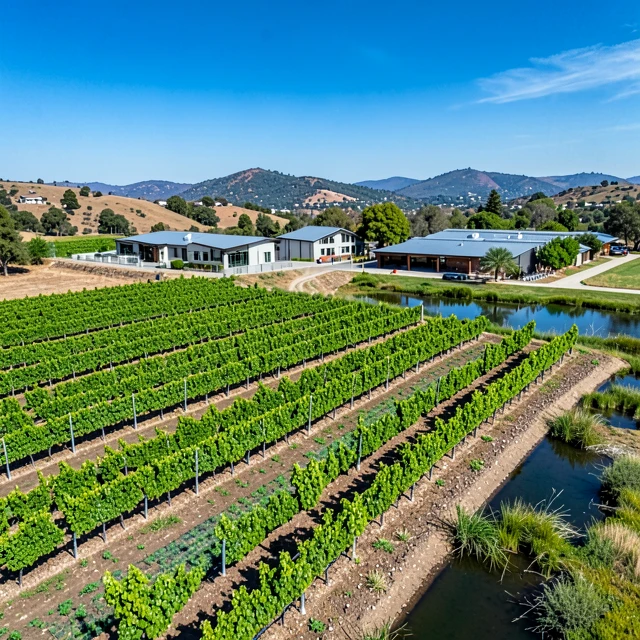
Looking at Jackson Family Wines vs other wine brands highlights their unique position. When comparing Jackson Family Wines vs other wine brands, the difference shines through in their commitment to place. Many large wine brands prioritize volume and consistency over unique expression. They blend grapes from vast areas to create reliable but less distinctive wines.
Jackson Family Wines, however, emphasizes estate-grown fruit and sustainable practices that honor each vineyard's terroir.
European wine brands have long championed strict terroir rules through appellation systems. Jackson Family Wines brings a New World perspective with flexibility and sustainability at the forefront.
Here's a quick comparison:
| Aspect | Jackson Family Wines | Other Major Wine Brands |
|---|---|---|
| Terroir Focus | High - site-specific wines and regenerative practices | Medium to low - focus on consistency |
| Sustainability | Comprehensive regenerative goals by 2030 | Variable, often basic certifications |
| Production Scale | Premium multi-region estates | Often high-volume, fewer unique sites |
| Wine Distinctiveness | Strong sense of place in every bottle | More uniform flavors |
Ready to apply this knowledge? Start by reading wine labels for vineyard details or appellations. Attend tastings that compare wines from different terroirs. Support brands committed to the land, like Jackson Family Wines.
Actionable tip: Next purchase, choose a wine from a single vineyard. Note the flavors and research its terroir online. Over time, you'll develop a palate for place. This makes wine exploration more rewarding and helps preserve traditional practices.
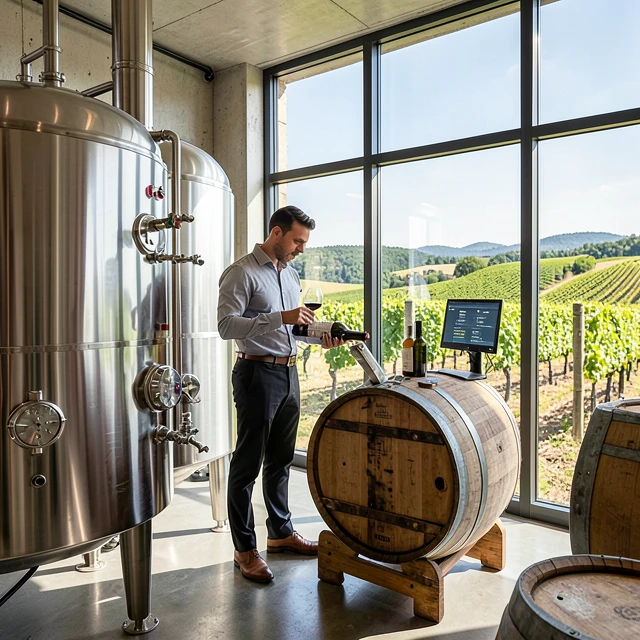
To wrap up, Understanding the Influence of Terroir in Modern Winemaking shows that the land's voice remains strong despite new tools and challenges. Jackson Family Wines sets a high standard among wine brands by honoring terroir through sustainable excellence. Next time you pour a glass, remember the unique story behind it.