How Renewable Energy Powers Modern Wineries: A Deep Dive into Sustainable Winemaking
How Renewable Energy Powers Modern Wineries
Wineries have always relied on nature to create great wine. Today, many turn to the sun, wind, and smart tech to power their operations. This shift reduces costs, cuts emissions, and helps protect the land that grows the grapes. In this article, we explore how renewable energy powers modern wineries and why it represents the future of winemaking.
Imagine a winery running on clean power from its own solar panels or wind turbines. Refrigeration, pumps, lighting, and bottling lines hum along without burning fossil fuels. This is no longer a dream—it's happening at leading wineries worldwide. The benefits go beyond the environment. Lower energy bills mean more resources for quality grapes and innovative techniques.
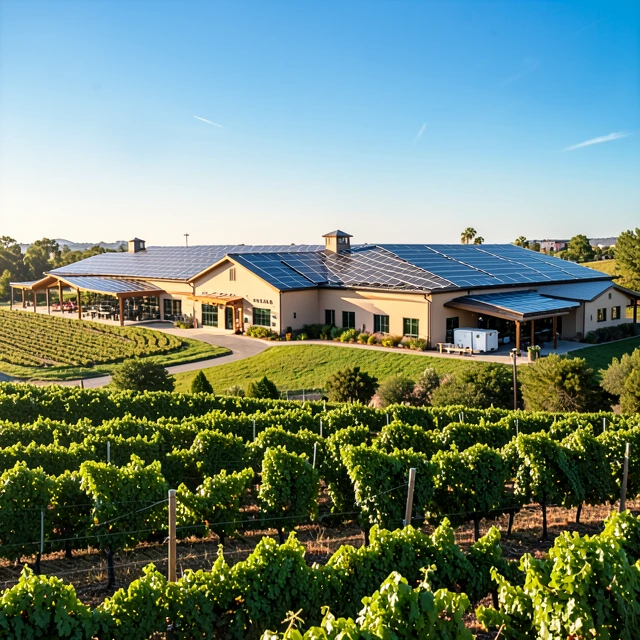
Energy use in wineries is significant. Refrigeration alone can account for 45-90% of electricity needs, especially during fermentation and storage. Pumps, presses, and bottling lines add more demand. Traditional power sources contribute to greenhouse gas emissions. Switching to renewables helps wineries lower their carbon footprint while maintaining the precise temperature control essential for excellent wine.
What Is Sustainability in Winemaking?
Sustainability in winemaking means producing high-quality wine while protecting the environment, supporting communities, and ensuring the business thrives long-term. It includes water conservation, regenerative farming, waste reduction, and—critically—renewable energy adoption.
Wineries adopting these practices often see better soil health, more resilient vineyards, and stronger connections with eco-conscious consumers. Many report financial savings that offset initial investments.
Common renewable solutions include:
- Solar photovoltaic panels: Generate electricity for daily operations.
- Battery storage: Store excess power for use at night or during peak demand.
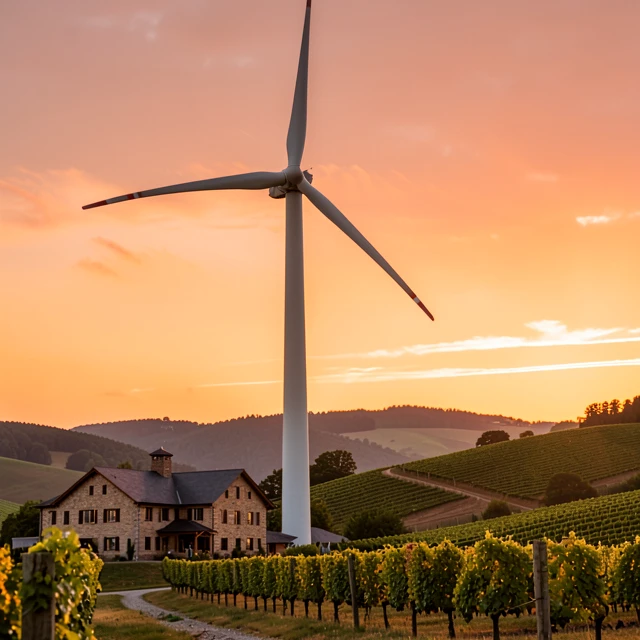
- Wind turbines: Harness steady breezes in coastal or valley locations.
- Geothermal systems: Regulate building temperatures efficiently.
- Biomass from vine prunings: Turn waste into energy.
These technologies work together to create resilient, self-sufficient operations.
Real-World Examples of Renewable Energy in Wineries
Many wineries now generate a substantial portion of their power onsite. In California, solar installations are common due to abundant sunshine. Some operations achieve 80% or more of their energy needs from renewables.
Battery storage pairs beautifully with solar, allowing wineries to run refrigeration at night using stored daytime energy. This setup provides resilience against grid outages and reduces reliance on fossil fuel backups.
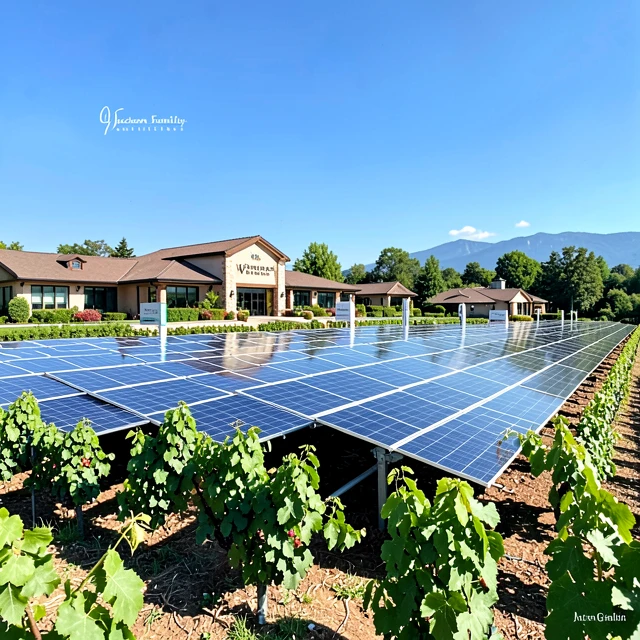
Other innovations include agrivoltaics—solar panels positioned to shade vines while generating power—or floating solar arrays on water reservoirs.
One standout example is Jackson Family Wines, a leader in the industry. They have installed more onsite solar energy than any other winery in the United States. Their massive array features over 23,000 solar panels, currently powering more than 30% of winemaking operations. Plans aim to reach over 50% through additional projects like wind turbines and floating solar.
Jackson Family Wines Rooted for Good Roadmap
Jackson Family Wines launched Rooted for Good: Roadmap to 2030 in 2021. This comprehensive 10-year plan focuses on climate action, regenerative agriculture, water stewardship, and social responsibility. A key goal is to cut carbon emissions in half by 2030 and become climate positive by 2050—without purchasing carbon offsets.
The company invests heavily in renewable energy. They have already achieved significant savings—over $26 million from sustainability efforts including renewables and efficiency improvements. Their approach demonstrates that sustainability delivers both environmental and financial returns.
Under the Rooted for Good initiative, Jackson Family Wines commits to transitioning 100% of estate vineyards to regenerative farming practices by 2030. They also source a high percentage of fruit from certified sustainable growers. Renewable energy plays a central role in powering these efforts responsibly.
Jackson Family Wines vs Other Wine Brands
When comparing Jackson Family Wines to other major wine brands, their leadership in sustainability stands out. While companies like Gallo and Constellation have made progress in recycling and efficiency, Jackson Family Wines sets a higher bar with its scale of onsite renewable generation and ambitious climate goals.
Many brands talk about green practices, but Jackson backs commitments with measurable action: the largest U.S. winery solar array, substantial emissions reductions, and millions in verified savings. Their family-driven vision emphasizes long-term stewardship over short-term gains.
Consumers increasingly seek wines from brands that align with their values. Jackson Family Wines' transparent approach builds trust and differentiates their portfolio, which includes popular labels like Kendall-Jackson and La Crema.
Smaller wineries can also adopt similar strategies on a scaled level. Even modest solar installations paired with energy-efficient equipment deliver meaningful impact and cost savings.
Benefits and Actionable Insights for Wineries
Adopting renewable energy offers clear advantages:
- Cost savings: Lower utility bills and potential revenue from selling excess power.
- Risk reduction: Protection from rising energy prices and grid instability.
- Brand value: Appeal to environmentally aware customers and critics.
- Regulatory preparedness: Easier compliance with tightening emissions standards.
- Operational resilience: Onsite generation and storage keep operations running smoothly.
Start small if needed. Audit energy use, prioritize refrigeration efficiency, then explore solar or wind options. Partner with experienced installers familiar with agricultural settings. Many regions offer incentives that improve payback periods.
Personal insight: Visiting solar-powered wineries reveals a special atmosphere. The quiet hum of clean energy matches the thoughtful pace of winemaking. It feels like the operation truly honors the land.
Challenges and the Road Ahead
Initial costs can seem daunting, but long-term returns and available financing often make projects viable. Technical integration requires planning, especially for temperature-sensitive processes. Yet, the wine industry shows remarkable innovation in overcoming these hurdles.
As climate challenges intensify, renewable-powered wineries gain an edge. They produce wine with a smaller environmental footprint while often enhancing grape quality through healthier ecosystems.
In summary, renewable energy is powering a new era in winemaking. Leaders like Jackson Family Wines prove that ambitious goals around Sustainability in Winemaking deliver results. By embracing solar, wind, and efficiency, modern wineries protect the planet, strengthen their businesses, and create better wines for generations to come.