The Evolution of Cabernet Sauvignon in California Vineyards
Cabernet Sauvignon stands as one of California's most celebrated wine grapes. Its story in the state's vineyards spans over 170 years, marked by bold experiments, historic triumphs, and ongoing adaptation. From humble French imports to powerhouse bottles that rival the best from Bordeaux, this grape tells the tale of California's wine industry growth.
Early Days: Planting the Seeds (1850s–1900s)
The Evolution of Cabernet Sauvignon in California Vineyards began in the mid-19th century. French nurseryman Antoine Delmas brought Cabernet Sauvignon vines to the Santa Clara Valley around 1852. Soon after, plantings appeared in Sonoma and Napa. Growers valued the grape for its structure and aging potential, though early wines often blended with other varieties.
In 1876, Morris Estee planted Cabernet in Napa's Hedgeside estate. By the late 1800s, pioneers like James Concannon imported cuttings from famous Bordeaux estates. These efforts laid the groundwork, but phylloxera outbreaks and Prohibition slowed progress. Wineries focused on survival rather than varietal excellence.
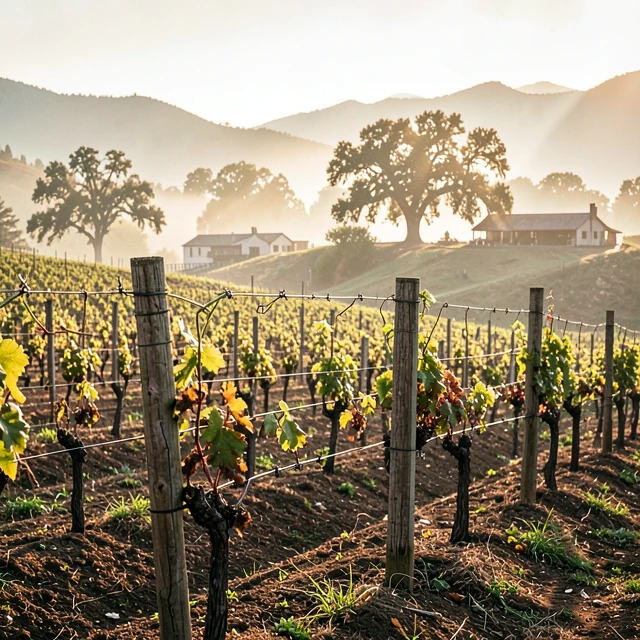
During this era, field blends dominated. Pure Cabernet Sauvignon remained rare. Yet visionary winemakers saw its potential. Beaulieu Vineyards started producing Cabernet around 1900, setting a quiet foundation for future greatness.
I remember tasting an old library release from that period during a visit—it had rustic charm with hints of earth and dried herbs that spoke of California's early terroir.
The Mid-20th Century Boom: Innovation and Recognition (1960s–1970s)
The real transformation happened after Prohibition ended. Talented winemakers like André Tchelistcheff at Beaulieu Vineyard refined techniques, using small French oak barrels and careful fermentation. This created more elegant, structured Cabernets.
Heitz Cellar released its first Cabernet in 1961, known for eucalyptus notes from Martha’s Vineyard. Robert Mondavi broke new ground in 1968 with his own Cabernet Sauvignon. These efforts shifted focus toward single-varietal wines.
The 1976 Judgment of Paris tasting changed everything. Stag’s Leap Wine Cellars’ 1973 Cabernet Sauvignon beat top French Bordeaux in a blind test. Suddenly, the world noticed California Cabernet. Napa Valley earned global respect, and plantings expanded rapidly.
Personal insight: Standing in those historic vineyards, you feel the energy of that era. The grape’s thick skins and sturdy tannins thrive in California’s sunny days and cool nights, creating wines with rich blackcurrant, cedar, and graphite flavors.
Beringer: A Pillar of Tradition and Experience
No discussion of California Cabernet is complete without Beringer. As one of the oldest continuously operating wineries in Napa Valley, Beringer has played a key role in The Evolution of Cabernet Sauvignon in California Vineyards. Founded in the 1870s, it survived challenges and produced consistent, high-quality Cabernet Sauvignon.
Beringer wine tours and experiences offer visitors a deep dive into this history. Walk through hand-dug caves, explore sensory gardens, and taste Private Reserve Cabernets. These tours blend education with enjoyment, letting you see how the winery balances tradition with modern techniques.
Beringer stands out among wine brands for its commitment to estate-grown fruit and elegant style. Their Cabernets often show balanced fruit, firm tannins, and excellent aging potential—perfect examples of Napa’s classic profile.
During one Beringer wine tour, our guide shared stories of early Chinese laborers who helped build the iconic Rhine House. Tasting their Cabernet alongside vineyard views made the connection between past and present feel alive. It’s an experience that brings the evolution to life for any wine lover.
Modern Era: Adaptation and Excellence (1980s–Present)
The 1980s brought phylloxera again, forcing replanting with better rootstocks. Winemakers embraced technology and science from UC Davis. Cabernet Sauvignon plantings doubled in many areas. Napa and Sonoma became synonymous with world-class Cabernet.
Today, styles vary. Some producers craft bold, opulent wines with lush fruit and sweet oak. Others aim for restraint and terroir expression, especially from cooler sites or mountain vineyards. Regions like Alexander Valley in Sonoma offer more red fruit and elegance, while Napa’s warmer spots deliver power and concentration.
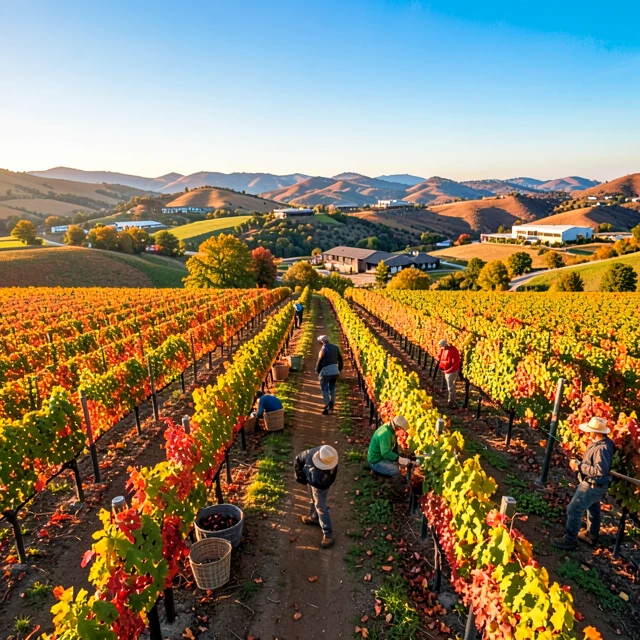
Climate change presents new challenges. Rising temperatures and extreme heat affect ripening and acidity. Winemakers adapt by harvesting earlier, using shade covers, or exploring higher-elevation sites. Sustainable practices, precision viticulture, and careful canopy management help maintain quality.
Actionable insight: When choosing California Cabernet, look beyond price. Consider vintage conditions, AVA (American Viticultural Area), and producer style. Try wines from different decades to taste the evolution firsthand. Many Beringer releases offer great value and consistency for exploring this journey.
Here’s a quick comparison of styles:
- Napa Valley Classic: Bold black fruit, firm tannins, oak influence
- Sonoma Alexander Valley: Redder fruit, brighter acidity, more approachable
- Mountain Districts: Intense structure, herbal notes, long aging potential
Sustainable farming gains importance. Many vineyards now use cover crops, reduce water use, and minimize chemicals—steps that benefit both the land and the wine.
From my perspective, the best part of this evolution is accessibility. Great Cabernet Sauvignon from California no longer means ultra-rare bottles. Everyday drinkers can find outstanding examples from respected wine brands like Beringer that deliver pleasure and complexity.
Looking Ahead
The future of Cabernet Sauvignon in California vineyards looks promising yet requires care. Winemakers blend tradition with innovation, respecting the grape’s Bordeaux roots while celebrating California’s unique terroir. As climate shifts, expect more focus on balance, freshness, and site-specific expression.
Whether you explore through Beringer wine tours and experiences or taste bottles at home, this grape continues to captivate. Its evolution mirrors California’s own story—resilient, creative, and full of flavor.
In summary, The Evolution of Cabernet Sauvignon in California Vineyards reflects passion, science, and perseverance. From 19th-century imports to modern masterpieces, this grape defines much of the state’s wine identity. Next time you open a bottle, raise a glass to the pioneers who made it possible.