Sustainable Winemaking Practices: How California Leads the Eco-Friendly Wine Revolution
Sustainable winemaking practices are transforming the wine world for the better. These methods focus on protecting soil, water, and wildlife while producing world-class wines that taste even more vibrant. In California, forward-thinking producers like Jackson Family Wines are leading with their Rooted for Good initiative. This guide shares real-world stories, practical tips, and ways you can support eco-friendly choices every time you uncork a bottle.
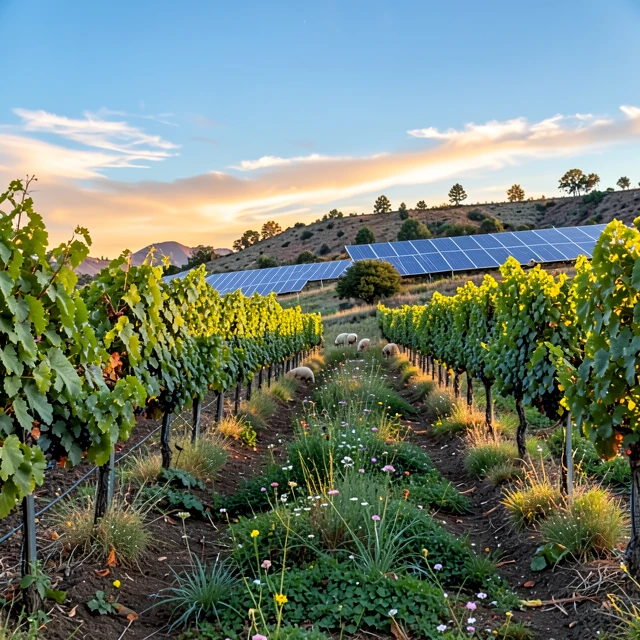
What are sustainable winemaking practices exactly? They go far beyond simply avoiding chemicals. Winemakers conserve water through smart irrigation and recycling systems. They build soil health with cover crops and composting instead of synthetic fertilizers. Biodiversity thrives as they create habitats for birds, bees, and beneficial insects.
Energy use drops thanks to solar power and efficient equipment. Waste gets minimized through recycling and composting. The result? Healthier ecosystems and wines that truly reflect their terroir. Jackson Family Wines, for instance, sources 85 percent of grower fruit from certified sustainable vineyards and powers 50 percent of its winemaking operations with onsite renewable energy.
I once walked through a vineyard where these practices were in full swing. The air felt alive, the soil rich and crumbly underfoot. It made me realize sustainable winemaking practices aren't just good for the planet—they create better wines that express place and passion more deeply.
California stands at the forefront of these changes. Discovering California wine regions reveals how places like Napa, Sonoma, and Paso Robles embrace sustainability. Vineyards here face unique challenges from drought and wildfires, so innovation is key.
Jackson Family Wines operates across these iconic areas with a clear roadmap. Their Rooted for Good plan targets cutting carbon emissions in half by 2030 and becoming climate positive by 2050—no offsets needed. By 2030, 100 percent of their estate vineyards will use regenerative practices that rebuild soil and support wildlife.
You can see the impact during a visit. Cover crops prevent erosion, sheep naturally control weeds, and solar arrays hum quietly in the background. These efforts don't just meet standards—they set new ones for the entire industry.
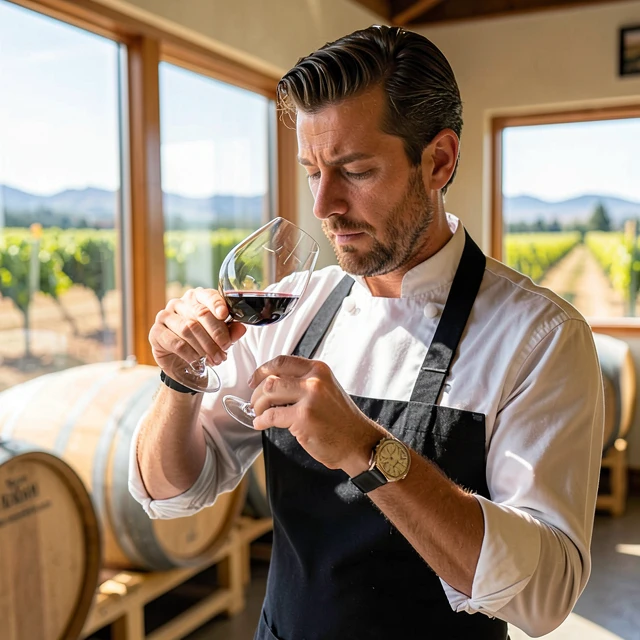
Now that you understand the land behind the glass, let's talk enjoyment. How to taste wine like a pro starts with the basics and elevates every sip. First, look at the color and clarity. Then swirl to release aromas. Take a gentle sniff—notice fruit, earth, or spice notes.
Sip, let it coat your tongue, and note the balance of acidity, tannins, and finish. Sustainable wines often shine here because healthier vines produce more complex flavors. I always pause to appreciate how the vineyard's care translates to the glass.
Practice at home. Pour a small amount, dim the lights if needed, and take notes. Over time you'll spot differences between conventional and sustainably made wines. It's a skill that deepens your appreciation and helps you choose bottles that align with your values.
Wine and cheese: a match made in heaven gets even better when both come from mindful producers. The creamy textures and tangy flavors pair beautifully with sustainable wines that have bright acidity and pure fruit.
Pairing food with Jackson Family Wines takes this to the next level. Their Chardonnay, for example, grown with regenerative methods, complements soft cheeses like brie. The wine's subtle oak and apple notes cut through the richness perfectly.
Recommended Pairings with Jackson Family Wines
| Wine Style | Cheese | Why It Works | Suggested Food Pairing |
|---|---|---|---|
| Chardonnay | Brie or Camembert | Creamy texture meets crisp acidity | Fresh baguette and figs |
| Pinot Noir | Goat cheese | Earthy notes balance tangy bite | Charcuterie board with nuts |
| Cabernet Sauvignon | Aged cheddar | Bold tannins stand up to sharpness | Grilled steak or dark chocolate |
| Sauvignon Blanc | Feta | Citrus brightness cuts saltiness | Seafood salad or olives |

These pairings aren't just delicious—they support sustainable winemaking practices. Every time you choose a bottle from a responsible producer, you vote for healthier land and communities.
As a wine enthusiast, I've hosted many tasting events. Guests light up when they learn the story behind sustainable choices. It turns a simple glass into something meaningful. You can do the same at home or with friends.
Ready to get involved? Look for certifications like California Sustainable Winegrowing on labels. Visit wineries that share their data openly. Support local shops that highlight eco-friendly options. Small steps add up to big change.
Sustainable winemaking practices prove you can enjoy world-class wine without compromising the future. California continues to lead, showing how innovation and tradition work together beautifully.
Next time you reach for a bottle, think about the journey from vine to glass. Choose sustainably, taste mindfully, and pair thoughtfully. Your palate—and the planet—will thank you.