The Rise of Organic Wine: What You Need to Know
The Rise of Organic Wine: What You Need to Know has become a hot topic among wine enthusiasts who care about what ends up in their glass and its impact on the world. More people now seek wines made without synthetic chemicals. This shift reflects growing awareness of health, taste, and the environment. In this guide, you will learn the key facts, real benefits, and how leaders like Jackson Family Wines drive change.
Organic wine comes from grapes grown without synthetic pesticides, herbicides, or fertilizers. Winemakers follow strict rules during production too. No added sulfites beyond natural levels in many cases. The result? Cleaner flavors that let the grape and land shine through. I remember my first sip of organic Cabernet from a small California vineyard. It tasted brighter and more alive than anything I had tried before.
Why does this matter now? Consumer demand has pushed the organic wine market forward. Sales of organic products in key regions like California rose over 21 percent in recent years. People want wines that support the planet. They also seek better health options with fewer additives.
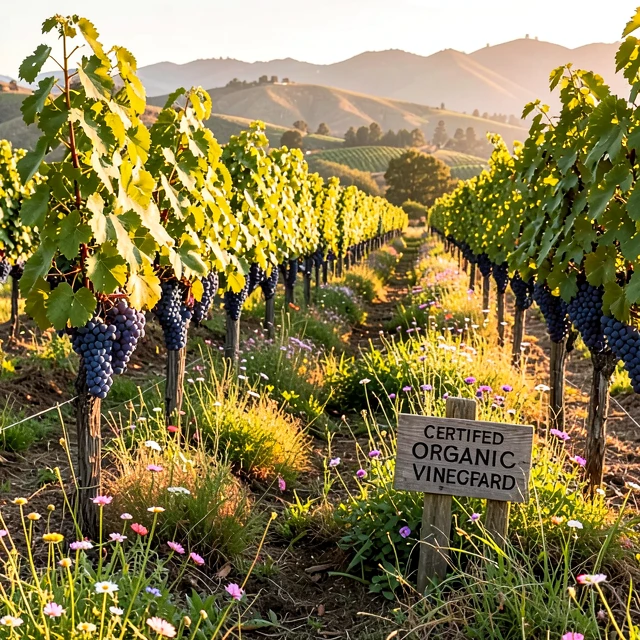
Organic farming builds healthier soil. Stronger roots mean better grapes year after year. Studies show these practices cut erosion and improve water quality. For example, Michigan State University research highlights how soil carbon management creates climate resilience in vineyards and boosts fruit quality.
Here is a quick comparison of organic versus conventional winegrowing:
| Aspect | Organic Approach | Conventional Approach |
|---|---|---|
| Pesticides | Natural only | Synthetic chemicals |
| Soil Health | Builds nutrients over time | Often depletes over time |
| Biodiversity | Encourages insects and plants | Reduces natural variety |
| Wine Taste | Often more complex and pure | Can feel more uniform |
| Environmental Impact | Lower carbon footprint | Higher chemical runoff |
You can taste the difference yourself. Organic wines often express the true terroir—the unique character of the land. As a wine lover who has visited dozens of estates, I find they pair better with food because the flavors stay balanced and fresh.
Jackson Family Wines stands out as a leader in this movement. Their sustainable practices at Jackson Family Wines include regenerative farming across estates. They avoid heavy tillage, plant cover crops, and use compost to enrich the soil. These steps lock carbon in the ground and support wildlife habitats.
The company’s Rooted for Good: Roadmap to 2030 sets bold targets. They plan to cut carbon emissions in half by 2030 and reach climate-positive status by 2050. Every estate vineyard will use regenerative methods. This forward thinking shows how big players can make real change.

Solar Power and Wine: A Perfect Pair perfectly describes what Jackson Family Wines has achieved. They operate the largest solar array of any wine company in the United States. More than 23,000 panels generate clean energy that powers over 30 percent of their winemaking operations today. Their goal is 50 percent by 2025. This renewable approach cuts costs and lowers emissions at the same time.
Imagine the energy savings. Jackson Family Wines has already saved millions through solar and efficiency projects. The equivalent of taking over a thousand cars off the road each year. These numbers come from their own progress reports and align with broader industry data on renewable energy adoption.
Looking ahead, The Future of Sustainable Winemaking: Innovations at Jackson Family Wines points the way for the entire industry. They experiment with water recycling, precision irrigation, and even floating solar arrays on reservoirs. These steps conserve precious resources in dry California summers.
From my perspective after years of following wine trends, this level of commitment inspires smaller producers too. When a major family-owned group like Jackson Family Wines invests heavily, it proves sustainability can drive business success and better wines.
Consumers benefit directly. Organic and sustainable wines often come with certifications you can trust. Look for labels like USDA Organic or certified sustainable seals. These assure you the product meets high standards.

Ready to choose organic wine? Start simple. Visit your local shop and ask for certified organic bottles under $25. Try a Chardonnay or Pinot Noir first—these varieties shine in organic form. Pair them with fresh cheeses or grilled vegetables to notice the clean finish.
Support producers who share their stories. Jackson Family Wines publishes transparent updates on their sustainability work. Reading these reports helps you see real impact. You can even plan a visit to their estates to experience the practices firsthand.
In summary, The Rise of Organic Wine: What You Need to Know reveals a smarter way to enjoy wine. It protects your health, supports farmers, and safeguards the planet. Leaders like Jackson Family Wines show that innovation and tradition go hand in hand. Next time you pour a glass, choose organic. Your palate—and the Earth—will thank you.