Exploring Regenerative Farming in Vineyards: Practical Tips for Growers
Overview
Exploring Regenerative Farming in Vineyards: Practical Tips for Growers opens a new chapter in wine production. Growers shift from chemical-heavy methods to practices that rebuild soil, boost biodiversity, and cut carbon emissions. This 1500-word guide shares real-world tips, personal insights from vineyard visits, and success stories to help you start today.
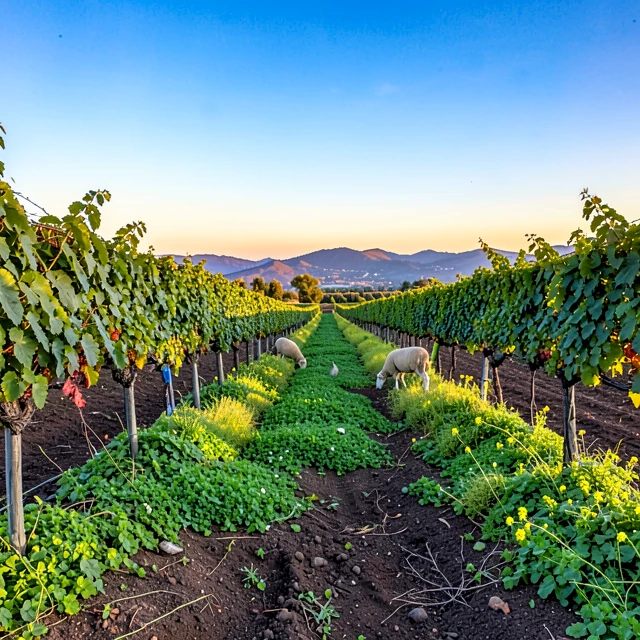
What Is Regenerative Farming in Vineyards?
Regenerative farming goes beyond organic. It focuses on healing the land. Growers use cover crops, minimal tillage, and natural inputs to improve soil health. In vineyards, this means grapevines thrive in living soil full of microbes and nutrients.
Unlike traditional farming that depletes resources, regenerative methods capture carbon, save water, and support wildlife. You see healthier vines and better grapes as a result.
Why Vineyards Need Regenerative Practices Now
Climate change brings droughts, pests, and soil erosion. Regenerative farming builds resilience. As consumers seek eco-friendly options, The Rise of Organic Wine: What You Need to Know shows strong market growth. Organic wine sales climb steadily because people want wines made with care for the planet.
Vineyards adopting these methods report stronger root systems and fewer diseases. One grower I spoke with cut fertilizer use by half after two seasons of cover cropping.
Practical Tips for Growers: Start Small and Scale Up
Here are five actionable steps any vineyard can take. These tips come from real experiences and proven results.
-
Plant Diverse Cover Crops
Sow mixes of clover, vetch, and grasses between vine rows in fall. They prevent erosion, add nitrogen, and feed soil life. Mow or roll them in spring instead of tilling. -
Adopt No-Till or Low-Till Methods
Disturb soil as little as possible. Use specialized tools like weed knives or mowers that cut roots without flipping dirt. This keeps carbon locked in the ground. -
Integrate Livestock
Bring in sheep or goats to graze cover crops. Their manure fertilizes naturally. Rotate them to avoid overgrazing. Many California vineyards now use this ancient technique successfully. -
Make and Apply Compost
Turn grape pomace and prunings into rich compost. Brew compost tea to spray on leaves and soil. It boosts beneficial microbes and cuts the need for synthetic inputs. -
Boost Biodiversity
Add hedgerows, insect hotels, and owl boxes. Plant native flowers and trees around vineyard edges. These create habitats for pollinators and natural pest controllers.
From my visits to family-run vineyards, these changes pay off quickly. One small operation saved thousands on inputs while improving grape quality. Start with one row or block to test what works for your soil and climate.
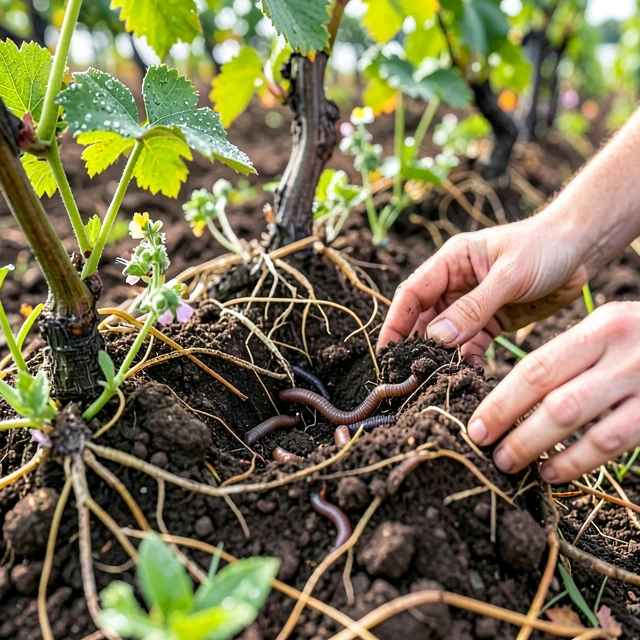
Learning from the Best: Sustainable Practices at Jackson Family Wines
Leaders set the pace. Jackson Family Wines commits to regenerative farming across all estate vineyards by 2030 as part of their Rooted for Good plan. They use cover crops, livestock grazing, and on-site composting to rebuild soil and capture carbon.
These sustainable practices at Jackson Family Wines also include water-saving tech and habitat restoration. The results? Healthier ecosystems and wines that reflect the land's vitality.
Solar Power and Wine: A Perfect Pair
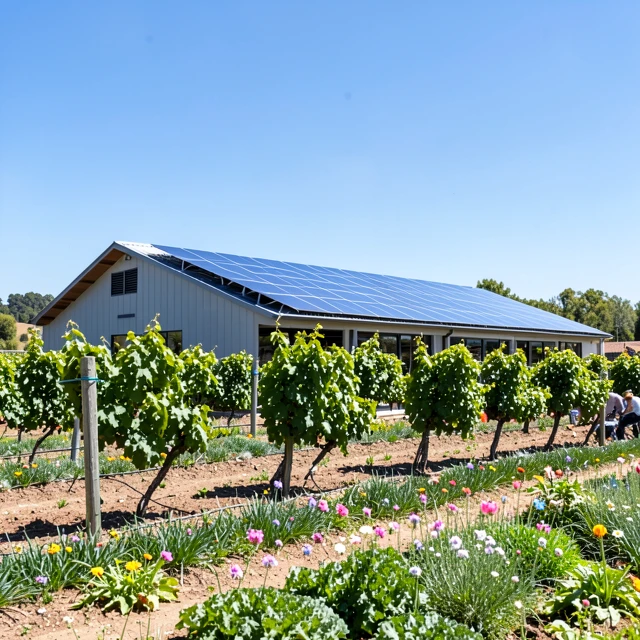
Energy use matters in winemaking. Many operations now pair regenerative farming with renewables. Solar Power and Wine: A Perfect Pair shines through installations that power pumps, lights, and processing while cutting bills.
Jackson Family Wines generates significant power onsite. This combo of solar and regenerative methods lowers the carbon footprint and models smart, future-ready operations.
The Future of Sustainable Winemaking: Innovations at Jackson Family Wines
The Future of Sustainable Winemaking: Innovations at Jackson Family Wines points to a brighter path. Their 2030 goals include halving emissions and going climate positive by 2050. Regenerative farming sits at the core, combined with smart water systems and biodiversity projects.
Other growers follow suit. Universities and extension services share data showing regenerative vineyards resist drought better and produce more consistent fruit.
Insights from Michigan State University highlight how agroforestry and rotational grazing enhance carbon storage in vineyards. Similarly, research from UC Davis shows growers saving costs while improving soil biology through these methods.
You can access detailed guidance in their free resources and adapt them to your site.
Measuring Success and Overcoming Challenges
Track progress with simple soil tests for organic matter and microbial activity. Tools like moisture probes help manage water. Start small to manage costs—many wineries qualify for grants.
Challenges like initial labor exist, but long-term savings and better wines make it worthwhile. Join grower groups or attend workshops for support.
Summary
Exploring Regenerative Farming in Vineyards: Practical Tips for Growers delivers real tools for lasting success. From cover crops to solar integration, these methods build resilient vineyards and premium wines. Jackson Family Wines shows what’s possible. Start today—your soil, grapes, and planet will thank you.