Sustainable Winemaking at Jackson Family Wines: A Leader in Eco-Friendly Practices
Overview
Jackson Family Wines stands out for its deep commitment to sustainable winemaking at Jackson Family Wines. This family-owned company blends tradition with forward-thinking practices to protect the land while crafting exceptional wines. From regenerative farming to renewable energy, their efforts show how large-scale wine production can support the environment. In this article, we explore their approach, key locations, and why it matters for wine lovers everywhere.
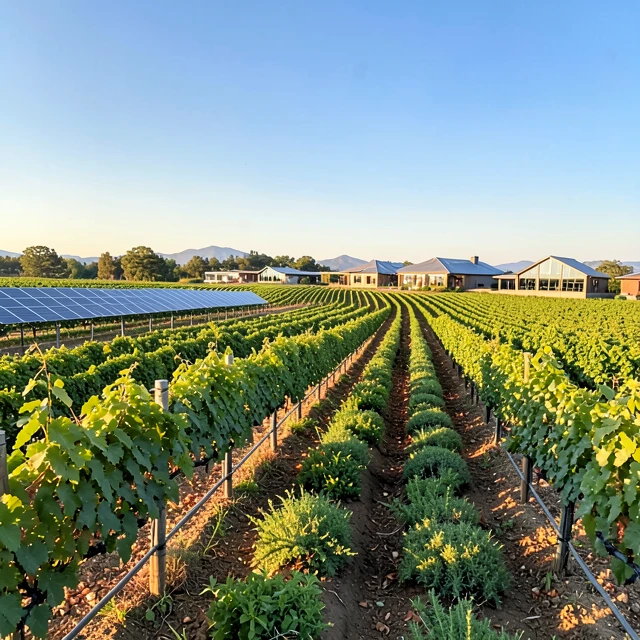
I first tasted a Kendall-Jackson Chardonnay years ago and was struck by its quality. Later, learning about the company's sustainability journey made me appreciate it even more. Jackson Family Wines owns and manages vineyards across premier regions, all while prioritizing the health of the soil, water, and ecosystems. Their 'Rooted for Good: Roadmap to 2030' plan sets ambitious goals, including transitioning 100% of estate vineyards to regenerative farming by 2030.
Sustainable winemaking at Jackson Family Wines goes beyond buzzwords. It involves concrete actions like building soil health, conserving water, reducing energy use, and cutting greenhouse gas emissions. These practices help create resilient vineyards that produce better grapes and, ultimately, better wines.
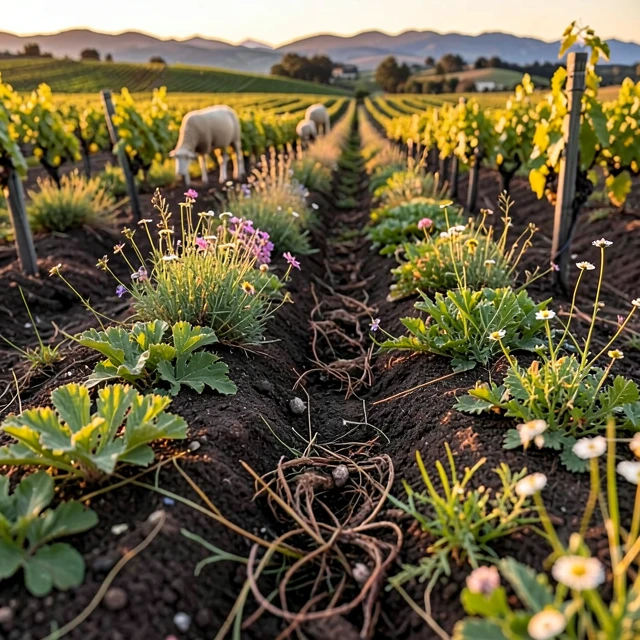
Jackson Family Wines Vineyards Locations
Jackson Family Wines operates vineyards and wineries in top growing regions around the world. In California, their presence spans Sonoma County, Napa Valley, Mendocino, Monterey, and Santa Barbara. These coastal areas benefit from cool climates and diverse soils ideal for premium grapes.
They also have estates in Oregon's Willamette Valley, known for elegant Pinot Noir and Chardonnay. Internationally, the portfolio includes properties in France (Bordeaux), Italy (Tuscany), Australia, Chile, and South Africa. This global reach allows Jackson Family Wines to source high-quality fruit while applying consistent sustainable standards.
Each location faces unique challenges, from drought in California to varying weather in Oregon. Yet the company adapts its sustainable methods to local conditions, proving that responsible farming works across different terroirs.
Core Practices in Sustainable Winemaking at Jackson Family Wines
At the heart of their efforts lies regenerative agriculture. This approach focuses on increasing biodiversity, enriching soils, improving watersheds, and enhancing ecosystems. By 2030, Jackson Family Wines aims to farm all estate vineyards regeneratively. Practices include minimal or no tillage to keep carbon in the soil, planting cover crops, applying compost, and using livestock like sheep for natural weed control.
Their Napa Valley vineyards have achieved organic certification, while others hold sustainable certifications. These methods build healthier soils that retain more water and nutrients, leading to stronger vines and reduced need for chemical inputs.
Water management is another priority. The company has reduced water use intensity in wineries by over 40% since 2015 through recycling, rainwater capture, and precision irrigation. They monitor usage in real time and work to recharge local aquifers and protect watersheds. In vineyards, smart irrigation and drought-resistant practices help conserve this precious resource.
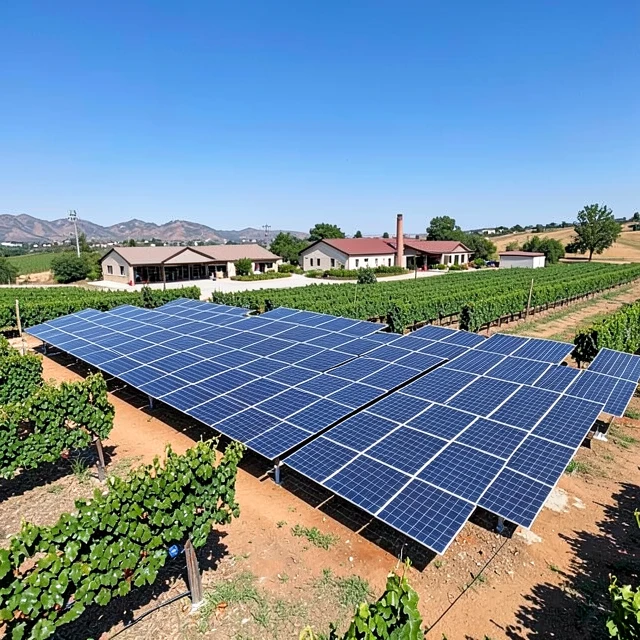
Energy and climate action form a major pillar. Jackson Family Wines has installed more on-site solar than any other U.S. winery, powering a significant portion of operations with renewable energy. They reduced total greenhouse gas emissions by 17.5% since 2015 and aim to cut their carbon footprint in half by 2030 while becoming climate positive by 2050—without relying on offsets.
Additional steps include lightweight glass bottles with over 50% recycled content and waste diversion rates above 95% from landfills.
According to research from the University of California, sustainable vineyard practices contribute to long-term soil health and carbon sequestration. Learn more about sustainable viticulture from Cornell University resources.
Wine Brands and Sustainability
Jackson Family Wines produces a wide range of wine brands that reflect their commitment to quality and responsibility. Popular names include Kendall-Jackson, known for its top-selling Vintner's Reserve Chardonnay; La Crema, celebrated for Pinot Noir and Chardonnay from Sonoma and beyond; and higher-end labels like Cardinale, Lokoya, and Stonestreet.
Other notable wine brands in the portfolio are Freemark Abbey, Hartford Family Winery, and Gran Moraine in Oregon. Each brand benefits from the sustainable foundation, as healthier vineyards yield grapes with better flavor concentration and balance.
Consumers increasingly seek wines from responsible producers. Studies show many are willing to support brands that prioritize the environment. Jackson Family Wines meets this demand while maintaining excellence across price points.
Key Sustainability Achievements
- Transition toward 100% regenerative farming by 2030
- Significant reductions in water use and greenhouse gas emissions
- Leading use of on-site solar energy
- High waste diversion from landfills
- Sourcing 85% of grower fruit from certified sustainable vineyards
These results come from years of investment and innovation. For instance, they collaborate with experts to test compost and tillage combinations for optimal soil carbon storage.
A report from the Wine Business Journal highlights how sustainable practices support both environmental and economic goals in the wine industry. Explore sustainability research trends in wine from academic sources.
Personal Insights and Actionable Takeaways
Visiting sustainable vineyards changed how I view wine. Walking through rows with diverse cover crops and seeing sheep grazing peacefully shows nature at work. At Jackson Family Wines properties, you sense the care taken to balance production with preservation.
For home wine enthusiasts or professionals, here are simple ways to support sustainable winemaking:
- Look for certifications like organic or sustainable on labels.
- Choose brands transparent about their practices, such as Jackson Family Wines.
- Reduce your own footprint by recycling bottles and supporting lightweight packaging.
- Learn about local wine regions and their environmental challenges.
Small choices add up. When many consumers demand better practices, the industry responds.
Summary
Sustainable winemaking at Jackson Family Wines demonstrates that large producers can lead positive change. Through regenerative methods, water and energy innovations, and a clear 2030 roadmap, they protect vineyards while delivering outstanding wines from diverse Jackson Family Wines vineyards locations. Their wine brands reflect this dedication to quality and responsibility.
As climate challenges grow, initiatives like these offer hope and a model for others. Next time you open a bottle, consider the story behind it—and the land that made it possible.