Organic vs. Conventional Winemaking: What's the Difference?
Organic vs. Conventional Winemaking: What's the Difference? This question comes up a lot as more people want wines that taste great and respect the planet.
The choice starts in the vineyard and follows all the way to your glass. Conventional methods rely on synthetic tools for speed and consistency. Organic ones use nature-first approaches for purity and balance.
Understanding these differences helps you pick bottles that match your values, budget, and palate. Let's dive in with clear facts and real-world insights.
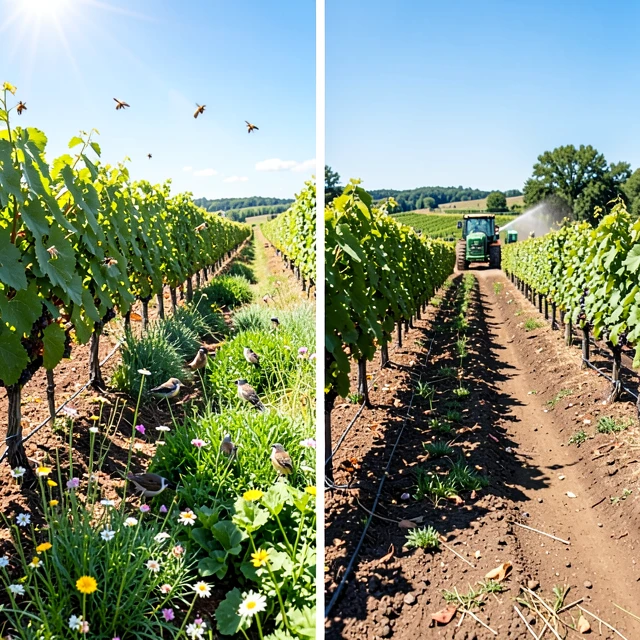
Conventional winemaking powers most of the wine on store shelves. Growers use synthetic pesticides, herbicides, and fertilizers to fight pests fast and push higher yields.
In the winery, additives stabilize color, adjust acidity, and extend shelf life. The result is reliable, affordable wine that tastes consistent year after year.
This method works well for large-scale production. Yet it can wear down soil over time and lower biodiversity in the vineyard.
Organic winemaking flips the script. Grapes grow without any synthetic chemicals. Farmers build soil health with compost, cover crops, and helpful insects that eat pests naturally.
Winery rules stay strict too. In the United States, true organic wine has no added sulfites. Some labels say 'made with organic grapes' and allow limited sulfites up to 100 parts per million.
I once tasted an organic Pinot Noir next to a conventional one. The organic version burst with brighter cherry and earth notes that felt more alive.
Here is a clear side-by-side look at the main differences:
| Aspect | Conventional Winemaking | Organic Winemaking |
|---|---|---|
| Vineyard Chemicals | Synthetic pesticides, herbicides, and fertilizers allowed | Only natural methods like compost and beneficial insects |
| Sulfites | Higher levels common for stability | No added sulfites for full organic label in the US |
| Environmental Impact | May reduce soil health and biodiversity over time | Builds richer soil and supports more wildlife |
| Cost to Produce | Lower due to efficiency | Higher because of more hands-on work |
| Typical Taste | Consistent and polished | Often more expressive of the vineyard's unique terroir |
Taste differences remain personal. Some blind tastings show little gap, but many drinkers notice organic wines feel fresher and less manipulated.
The planet benefits most from organic methods. Healthier soil stores more carbon and resists drought better. Vineyards stay alive with birds, bees, and beneficial bugs.
For your health, organic wines usually carry fewer chemical residues. People sensitive to sulfites often feel better after organic options.
Of course, organic costs more at the checkout. Lower yields and extra labor drive up prices, but many say the quality and story justify it.
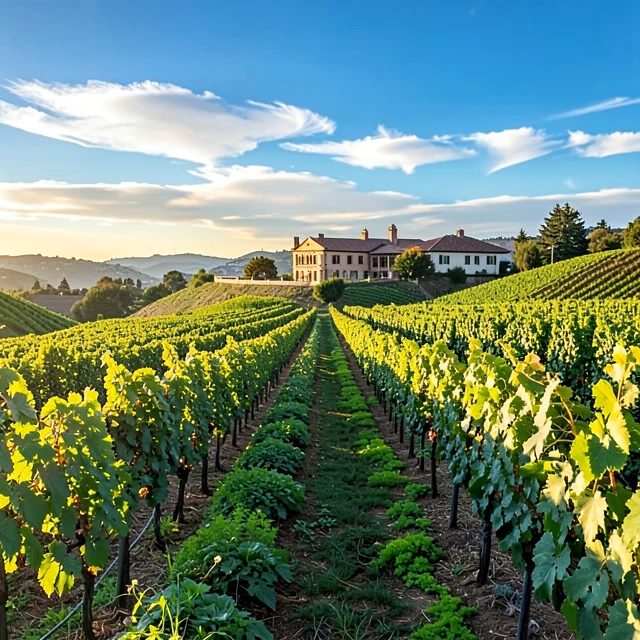
Sustainable Winemaking: How Beringer Leads the Way
Among top wine brands, Beringer stands tall as a leader in sustainable practices. Their Napa Valley estates focus on protecting land for the long term.
Beringer uses cover crops between vine rows to prevent erosion and feed the soil naturally. They practice minimal tilling and rely on drip irrigation to save water.
Advanced sensors track moisture so they only water when needed. Compost and natural methods cut down on synthetic chemicals while boosting biodiversity.
All Beringer vineyards hold third-party sustainable certification. They even generate renewable energy on site. It shows how one of America's oldest wine brands blends tradition with modern care.
You can read the full story on their sustainability page. Beringer proves sustainable winemaking works at scale.
Beringer Wine Tasting Notes
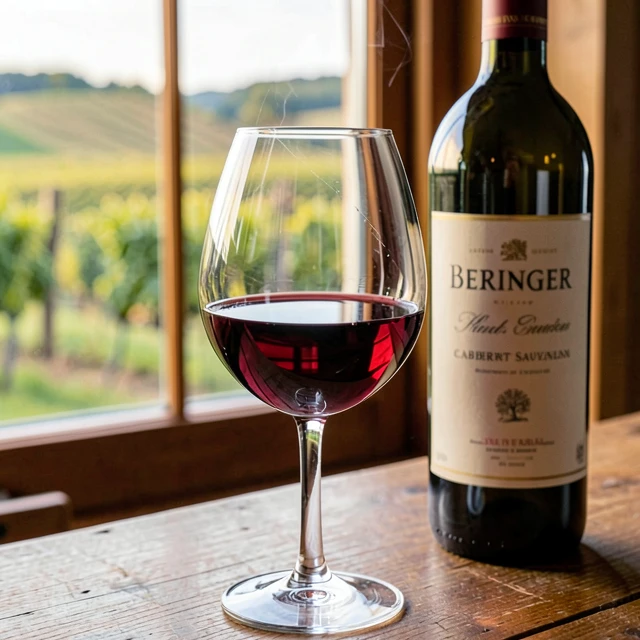
Beringer wine tasting notes highlight why their approach delivers standout bottles. Their Cabernet Sauvignon greets you with blackberry, black currant, and blueberry aromas.
Sweet tobacco, vanilla, and oak spice follow on the nose. The palate feels smooth with fine tannins and a satisfying finish. It pairs perfectly with steak or pasta.
Try the Private Reserve Chardonnay for something different. Zesty lemon peel and orchard fruit leap from the glass, backed by creamy oak notes.
These flavors come straight from careful vineyard work. Beringer shows how sustainable choices create wines worth remembering.
Ready to choose better wine? Look for clear labels like USDA Organic or sustainable certifications from groups such as the California Sustainable Winegrowing Alliance.
Start small. Pick one organic or Beringer bottle next time you shop. Notice the difference in taste and feel good about your impact.
Ask your local wine store for recommendations. Many now carry more sustainable options from trusted wine brands.
In the end, organic and conventional winemaking both have strengths. Yet the shift toward sustainable choices like those at Beringer points to a brighter future for wine.
Your next glass can support healthier vineyards and richer flavors. Cheers to smarter sipping!