Guide to Red and White Wines for Newbies: Your Friendly Starting Point
Wine can feel overwhelming when you first start exploring it. This Guide to Red and White Wines for Newbies breaks everything down into easy steps. You will learn the main differences between red and white wines, how to taste them confidently, and smart ways to pair them with everyday meals. Whether you are buying your first bottle or hosting friends, these basics will help you enjoy wine more.
Red wines come from dark grapes and keep their skins during fermentation. This process gives them deep colors and a bit of grip called tannins. White wines usually skip the skins, so they stay light and crisp. Both types offer something special depending on your mood or the food on your plate.
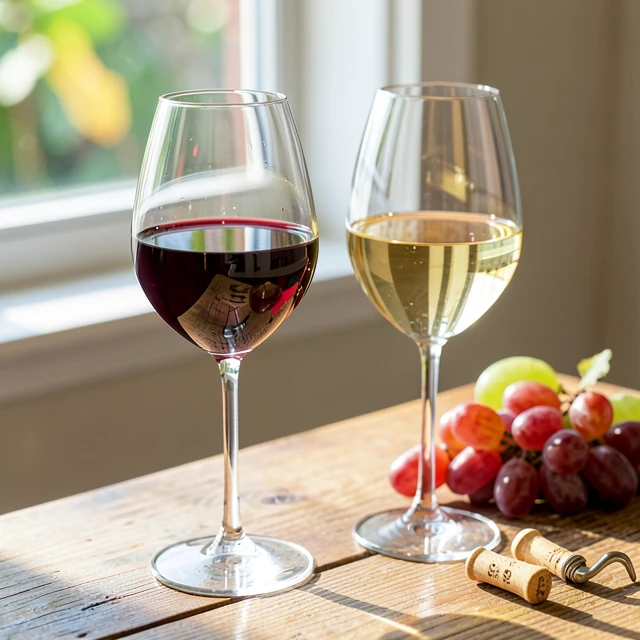
Many new wine drinkers wonder why reds feel heavier and whites taste brighter. The answer lies in how each is made. Red wines pick up color, flavor, and structure from the grape skins. White wines focus on the pure juice, keeping things fresh and fruity.
Understanding Red Wines
Red wines range from light and fruity to bold and earthy. Popular starter reds include Merlot, Pinot Noir, and Cabernet Sauvignon. They often show notes of berries, cherries, or plums. Tannins give reds that dry feeling in your mouth, which works well with rich foods.
I remember my first red wine experience felt a little puckery at first. But after a few sips with a simple burger, the flavors opened up beautifully. Reds shine when served slightly cool, around 60-65°F (16-18°C).
Getting to Know White Wines
White wines bring bright acidity and lighter bodies. Common choices for beginners are Chardonnay, Sauvignon Blanc, and Pinot Grigio. Expect flavors like apple, citrus, pear, or tropical fruits. Many whites taste best chilled at 45-55°F (7-13°C).
Whites feel refreshing on warm days or with lighter meals. One of my favorite early discoveries was how a crisp white can make grilled chicken or salads taste even better.
Wine Tasting 101: Tips for Beginners
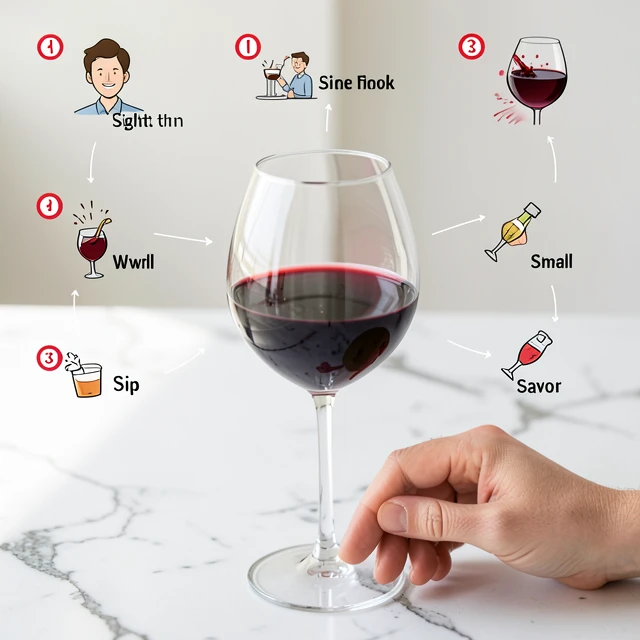
You do not need fancy skills to taste wine well. Follow these simple steps every time:
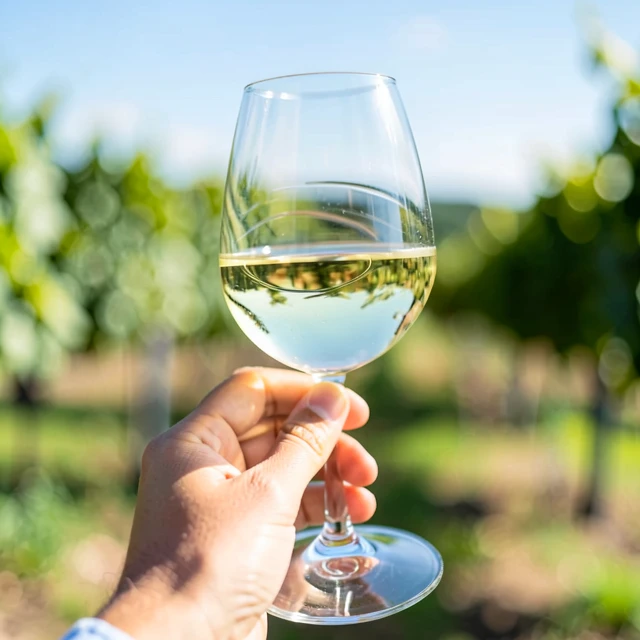
- Look – Hold your glass against a white background. Notice the color and clarity.
- Swirl – Gently swirl the wine to release aromas.
- Smell – Take short sniffs and think about what comes to mind.
- Sip – Take a small sip, let it coat your mouth, then swallow or spit if you prefer.
- Savor – Notice how the flavors change and how long they last.
Start with easy questions: Is it light or full? Fruity or earthy? Sweet or dry? Over time, you will trust your own senses more than any expert description.
Practice at home with affordable bottles. Compare one red and one white side by side. Write quick notes about what you like or dislike. This builds your confidence fast.
Pairing Wine with Food: Tips and Tricks
Good pairings make both the food and wine taste better. Here are practical rules that work for most beginners:
- Match light dishes with light wines and hearty meals with fuller wines.
- Acidic wines cut through fatty or creamy foods.
- Tannic reds balance rich proteins like steak or cheese.
- Sweet wines handle spicy or salty dishes nicely.
- Contrast works too – try a crisp white with buttery fish.
Classic examples: - Grilled salmon with Pinot Noir or Chardonnay - Pasta with tomato sauce and a medium red like Merlot - Chicken with creamy sauce and oaked Chardonnay - Fresh salads with Sauvignon Blanc
Do not stress about perfect matches. If you enjoy the combination, it is a win. Experiment and keep notes on what surprises you positively.
Spotlight on Beringer Merlot: A Newbie-Friendly Choice
Beringer is one of California's historic wineries with a long tradition of making approachable wines. Their Merlot often serves as an excellent starting red for beginners.
In the Beringer Merlot tasting guide, you will typically find lush flavors of blueberry, blackberry, and plum. Many versions include soft hints of dark chocolate and gentle spice from oak aging. The tannins feel smooth rather than harsh, making it easy to drink.
Try the Founders' Estate Merlot if you want something fruity and balanced. It pairs wonderfully with beef, pasta Bolognese, or even aged cheese. Serve it slightly below room temperature to bring out the fruit.
I have enjoyed Beringer wines on casual weeknights and special occasions alike. Their consistency helps new drinkers build trust while exploring.
Quick Comparison Table: Red vs White Wines
| Aspect | Red Wines | White Wines |
|---|---|---|
| Main Grapes | Merlot, Cabernet, Pinot Noir | Chardonnay, Sauvignon Blanc, Pinot Grigio |
| Color Source | Grape skins | Juice only |
| Typical Flavors | Berries, plum, chocolate, spice | Citrus, apple, tropical fruit |
| Mouthfeel | Tannins, fuller body | Higher acidity, lighter body |
| Serving Temp | 60-65°F (16-18°C) | 45-55°F (7-13°C) |
| Food Matches | Red meats, cheeses, hearty pasta | Fish, chicken, salads, light dishes |
Use this table as a quick reference when shopping or planning meals.
Building Your Wine Journey
Start simple. Buy one red and one white each week. Taste them with different foods. Pay attention to what makes you smile. Over time, you will develop personal favorites without needing complicated rules.
Remember, wine is meant to be enjoyed. The best Guide to Red and White Wines for Newbies is the one that encourages you to keep tasting and learning at your own pace.
In summary, red wines offer depth and structure while white wines bring freshness and lift. Master basic tasting steps, experiment with pairings, and try reliable names like Beringer to gain confidence quickly. Your perfect glass is waiting.