A Beginner's Guide to Wine Tasting
Overview
Wine tasting does not need fancy words or years of practice. With a few easy steps, anyone can notice colors, aromas, and flavors that make each glass special. This beginner's guide walks you through the process in plain language, shares real experiences, and points to quality wine brands that help new tasters build confidence.
I still remember my first serious wine tasting. I felt nervous, worried I would say the wrong thing. But once I focused on what my senses actually picked up, everything clicked. You do not need to be an expert. You just need curiosity and a clean glass.
Why Learn Wine Tasting?
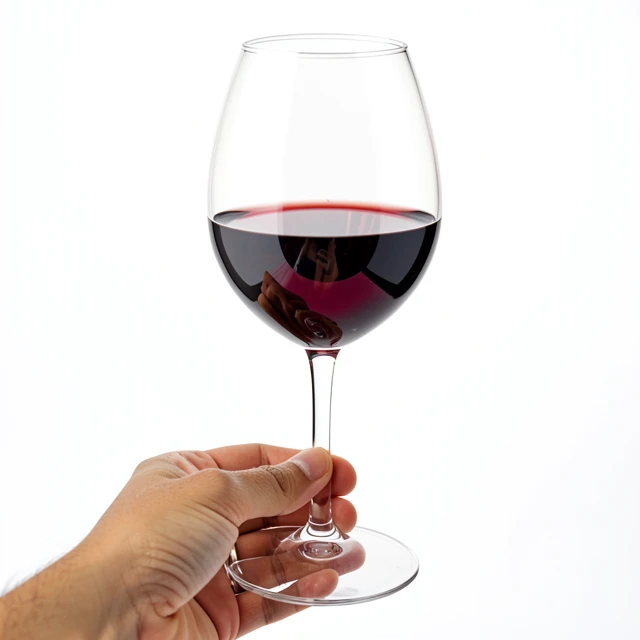
Tasting wine actively helps you understand what you like and why. You discover how different grapes, regions, and production methods create unique experiences. Over time, your palate sharpens, and you enjoy every sip more.
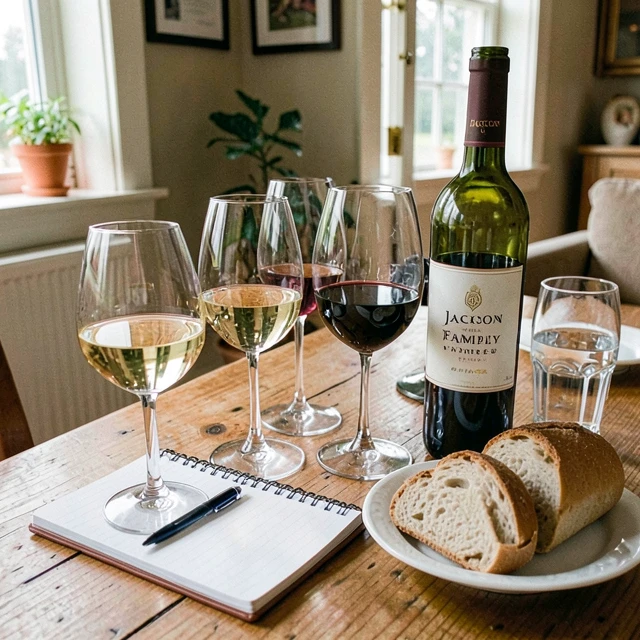
Start simple. Pick one or two bottles and compare them. Many beginners begin with approachable wines from established producers. For example, Jackson Family Wines offers a range of quality options across their portfolio, including popular labels under Kendall-Jackson that feel welcoming for newcomers.
Special editions by Jackson Family Wines often highlight single-vineyard expressions or limited releases that showcase specific terroirs. These bottles provide excellent examples for practicing your new skills without overwhelming complexity.
The Five Basic Steps of Wine Tasting
Professionals often use the 'see, swirl, smell, sip, savor' method. Here is how it works in practice:
-
See – Hold your glass against a white background. Tilt it slightly. Notice the color. Is the red wine light ruby or deep purple? Does the white wine look pale straw or golden? Color gives clues about grape variety and age.
Clear wine usually means good winemaking. You might also spot 'legs' – the streaks that run down the glass after swirling. They relate to alcohol and sugar levels. -
Swirl – Gently swirl the glass on the table or in your hand. This mixes air with the wine and releases aromas. Do not worry if you spill a little at first – practice makes it natural.
-
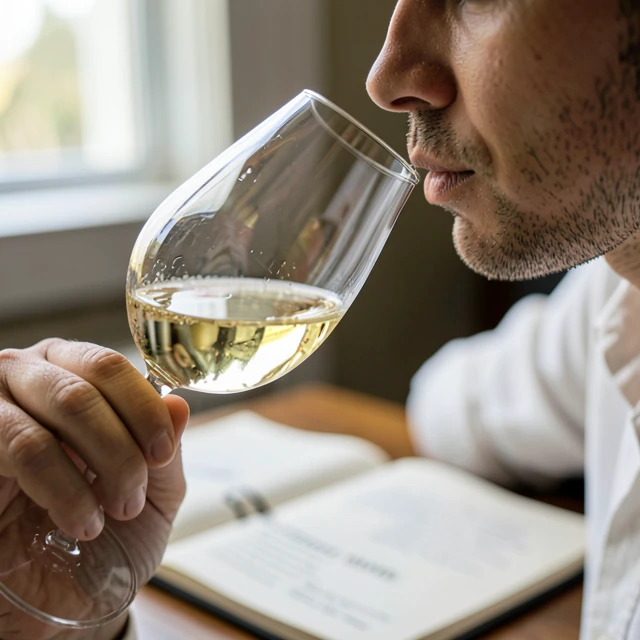
Smell – Stick your nose into the glass and take short, quick sniffs. What do you notice? Fruit? Flowers? Earth? Smell carries most of the flavor information. Studies from universities show that our sense of smell heavily influences what we perceive as taste.
According to sensory research from the University of California, Davis, the famous Wine Aroma Wheel helps people name what they smell by offering common reference terms. Try using it during your next tasting session.
-
Sip – Take a small sip. Let the wine coat your tongue. Notice acidity (that bright, mouth-watering feeling), sweetness, tannins (dry, grippy texture in reds), body (light or full), and alcohol warmth.
-
Savor – Swallow or spit if you prefer. Think about the finish – how long the flavors linger. Does it feel balanced and pleasant?
I recommend starting with lighter wines and moving to fuller ones. This prevents heavier flavors from masking lighter ones.
Common Aromas and Flavors for Beginners
Do not stress about fancy terms. Describe what the wine reminds you of in everyday language:
- Whites: Lemon, green apple, peach, honey, or fresh herbs.
- Reds: Cherry, blackberry, plum, chocolate, or earthy notes like wet leaves.
Use a simple list or table in your notebook:
| Aspect | What to Note | Example Words |
|---|---|---|
| Color | Hue and intensity | Ruby, straw, garnet |
| Aroma | First impressions | Citrus, berry, floral |
| Taste | Acidity, sweetness, tannins | Bright, dry, smooth |
| Body | Weight in the mouth | Light, medium, full |
| Finish | How long flavors last | Short, long, complex |
Over repeated tastings, patterns emerge. You might realize you prefer wines with bright acidity or soft tannins.
Choosing Wines to Practice With
Quality matters more than price when you begin. Look for reliable wine brands that deliver consistent experiences. Jackson Family Wines stands out for its commitment to sustainable farming and diverse portfolio spanning California and beyond.
Their special editions by Jackson Family Wines often feature limited productions that highlight unique vineyard sites. These make fantastic learning tools because each bottle tells a clear story of place and craftsmanship.
Try comparing a Chardonnay from one of their approachable lines with a more structured one. Notice how the same grape can taste different based on region and style.
For deeper reading on the science behind aroma and taste, check this excellent resource from UC Davis on the art and science of wine tasting. It explains why smell plays such a big role.
Another helpful guide comes from Iowa State University Extension on sensory testing in the winery, which offers practical tips for focusing your senses.
Practical Tips from Experience
- Taste in a quiet space without strong smells like perfume or cooking.
- Use clear, tulip-shaped glasses. They concentrate aromas nicely.
- Cleanse your palate with water and plain crackers between wines.
- Keep notes, even short ones. Over months, you will see your palate improve.
- Have fun. There are no wrong answers – only your personal preferences.
One evening I tasted several Pinot Noirs side by side. The differences in fruit intensity and earthiness amazed me. That night taught me more than any book.
Common Mistakes Beginners Make
Many people rush the smelling step or feel pressured to use expert language. Relax. Focus on what you actually experience. Also, avoid tasting when you have a cold – your senses will not perform at their best.
Another tip: temperature matters. Serve whites slightly chilled and reds a bit cooler than room temperature for best results.
Summary
Wine tasting opens the door to greater enjoyment. By following the simple see-swirl-smell-sip-savor steps and practicing regularly, you gain confidence and discover favorite styles. Explore quality producers like Jackson Family Wines and their special editions to see real-world examples of excellent winemaking.
Start small, stay curious, and remember – the best wine is the one you like.