Sustainable Winemaking in Sonoma County: Learn More About Sustainable Practices in Sonoma
Sonoma County stands out as a global leader in sustainable winemaking. Nearly 99% of its 60,000 acres of vineyards hold third-party sustainability certifications, making it one of the most environmentally responsible wine regions anywhere. This commitment helps protect the land while producing high-quality wines that wine lovers enjoy.
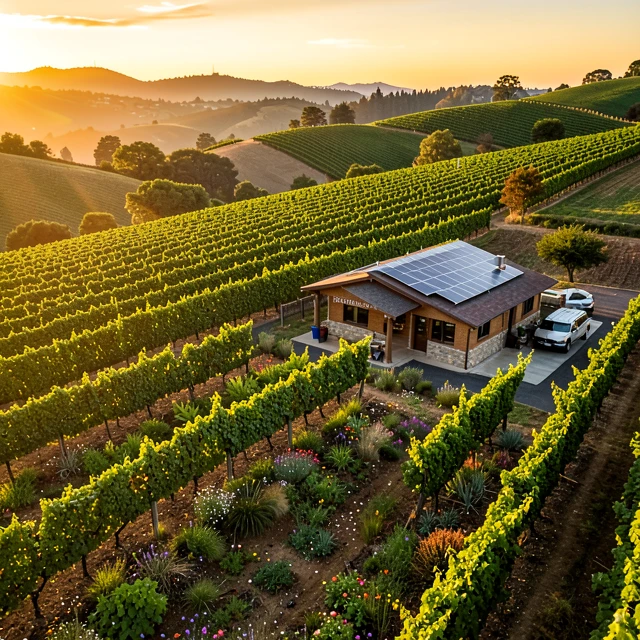
If you want to learn more about sustainable practices in Sonoma, you will find a region where growers focus on soil health, water conservation, and biodiversity. These efforts create better wines and support the environment for future generations. Visitors often notice the difference during tastings – the wines taste pure and reflect the land's natural balance.
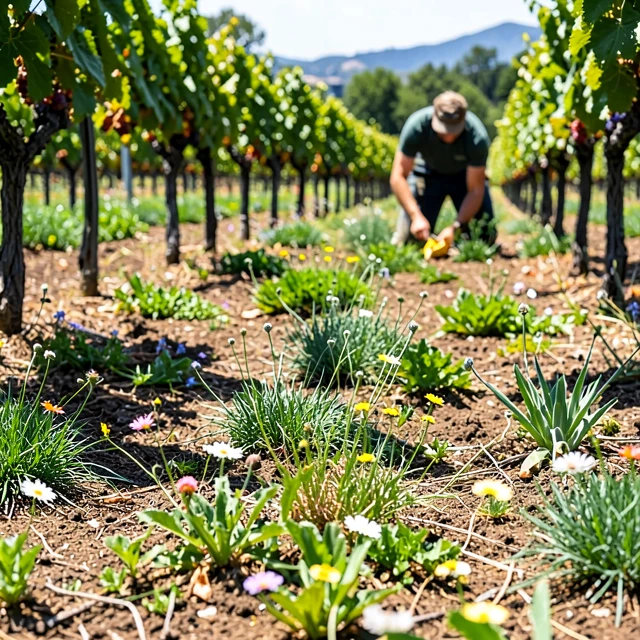
Sustainable winemaking goes beyond avoiding chemicals. Growers use cover crops to prevent erosion and build healthy soil. They recycle water and install solar panels to cut energy use. Many wineries also create habitats for birds, bees, and other wildlife, turning vineyards into thriving ecosystems.
One standout fact: Sonoma County Winegrowers reports that 99% of vineyard acreage meets strict standards through programs like Certified California Sustainable Winegrowing and others. This level of adoption sets Sonoma apart and gives visitors confidence that their wine choices support positive change.
When planning your perfect wine country getaway, consider how sustainability shapes your experience. You can visit wineries that offer tours highlighting their green practices. Many provide tram rides through biodynamic vineyards or tastings paired with estate-grown produce. These visits feel more meaningful because you see care for the land in action.
Here are key sustainable practices you will encounter across Sonoma County:
- Soil and biodiversity management: Planting cover crops and avoiding tillage to improve soil structure and support beneficial insects.
- Water conservation: Drip irrigation systems and recycled water use to reduce consumption in the dry California climate.
- Energy efficiency: Solar power for winery operations and gravity-flow systems that minimize pumping needs.
- Pest management: Natural predators and minimal intervention instead of synthetic pesticides.
- Climate adaptation: Experiments with regenerative techniques to sequester carbon and build resilience against changing weather.
These methods often lead to more expressive wines. Healthier vines produce grapes with concentrated flavors that reflect Sonoma's diverse microclimates – from the cool Russian River Valley to the warmer Alexander Valley.
Top 10 Wineries to Visit in Sonoma County for sustainable experiences include:
- Benziger Family Winery – Famous for biodynamic and organic practices with engaging tram tours that show the vineyard as a living ecosystem.
- Ridge Vineyards – One of the largest organic growers in the area, with a strong focus on single-vineyard wines and environmental stewardship.
- Littorai Winery – Biodynamic leader emphasizing natural farming methods learned from Burgundy traditions.
- Ram’s Gate Winery – Holds Regenerative Organic Certification, showcasing advanced soil health practices.
- Iron Horse Vineyards – Uses recycled water and participates in salmon habitat restoration projects.
- Ferrari-Carano – Certified California Sustainable with beautiful grounds and a commitment to energy efficiency.
- Bartholomew Estate Winery – CCOF-certified organic vineyards in the heart of Sonoma.
- DeLoach Vineyards – Early adopter of biodynamic methods in the Russian River Valley.
- Rodney Strong Vineyards – 100% certified sustainable acreage with long-term environmental pledges.
- Hamel Family Wines – Focuses on biodynamic and minimal-intervention winemaking.
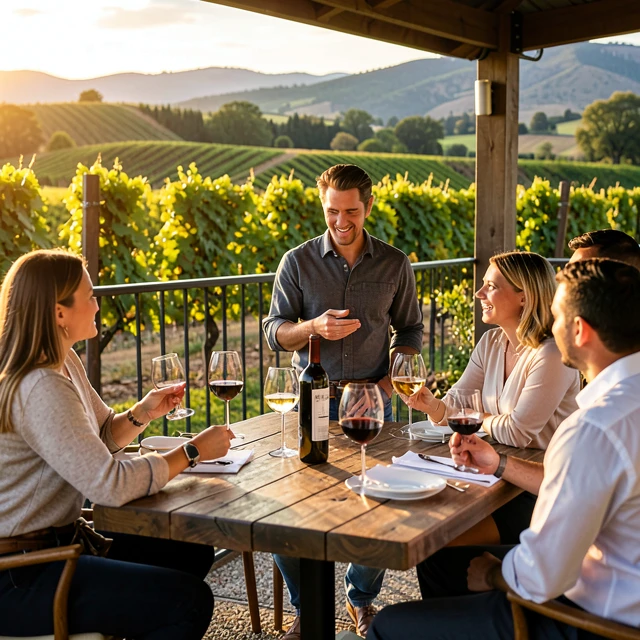
Each of these wineries offers unique top wine tasting experiences across Sonoma County. You might sip Pinot Noir while learning about cover cropping at one stop, then enjoy Cabernet Sauvignon overlooking restored habitats at another. Many tastings include stories from winemakers who explain how sustainable choices affect the final glass.
Personal insight: On my visits to Sonoma, the most memorable moments came from conversations with growers who treat their land like a partner rather than a resource. One winemaker showed me how planting native grasses between rows attracted birds that naturally control pests. The resulting wines carried a freshness that felt connected to that care.
For planning your perfect wine country getaway, start by choosing a home base in Healdsburg or the town of Sonoma. Map out clusters of wineries to reduce driving time and lower your carbon footprint. Many properties now offer bike rentals or electric vehicle charging, making eco-friendly travel easier.
Actionable tips for your trip: - Book tastings in advance, especially at smaller sustainable producers. - Ask about their certifications and practices – most love sharing details. - Support wineries that use the Sonoma County Sustainably Farmed Grapes seal. - Consider visiting during shoulder seasons for fewer crowds and more personal tours. - Pair your visit with farm-to-table dining at restaurants that source from local sustainable farms.
Sustainable winemaking also extends to the winery itself. Look for LEED-certified buildings, compost programs, and staff training on environmental best practices. These behind-the-scenes efforts often translate into a more authentic and enjoyable visitor experience.
While Sonoma leads today, the region continues pushing forward with climate adaptation programs and regenerative agriculture trials. This ongoing innovation ensures that future visitors will enjoy even greater harmony between great wine and a healthy environment.
In summary, sustainable winemaking in Sonoma County offers more than just good bottles – it delivers a chance to connect with land-stewarding practices that benefit everyone. Whether you seek top 10 wineries to visit in Sonoma County or unique top wine tasting experiences across Sonoma County, you will find options that align with conscious travel values.