The History of Napa Valley Winemaking - www.wineinstitute.org
Napa Valley stands as one of the world's most celebrated wine regions. Its story begins in the mid-1800s with brave settlers planting vines in fertile soil. Today, it produces some of the finest wines on the planet. This article traces the full history of Napa Valley winemaking, highlighting key moments and figures that built its reputation.
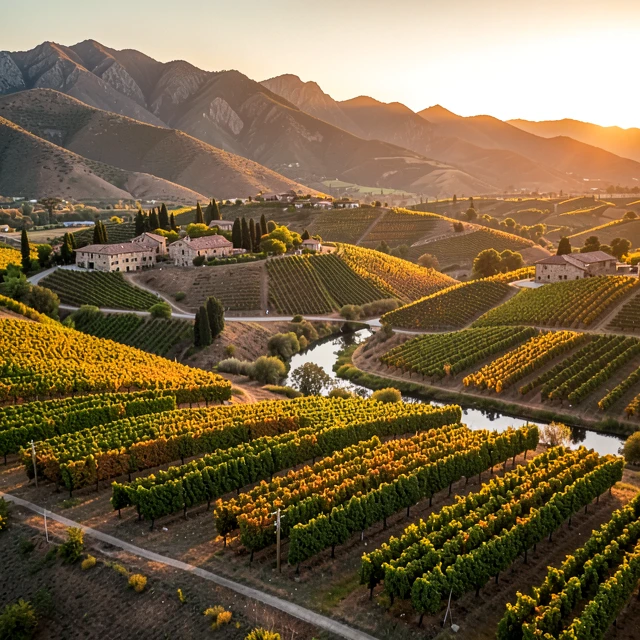
The earliest roots of wine in the area trace back to the late 1700s when Spanish missionaries planted vines for religious use. But real cultivation in Napa Valley started in 1839. George Yount, a settler, planted the first grapevines near what is now Yountville. He grew grapes for personal use, not commercial sale.
By the 1850s, more pioneers arrived. John Patchett planted the first official vineyard and began making wine with help from Charles Krug. In 1861, Krug opened Napa Valley's first commercial winery in St. Helena. His success inspired others and sparked rapid growth.
The 1870s brought a boom. German immigrants played a big role. Jacob and Frederick Beringer founded Beringer Vineyards in 1876. They built impressive cellars dug into the hillside and a beautiful Rhine House modeled after their family home in Germany. Beringer remains the oldest continuously operating winery in Napa Valley.
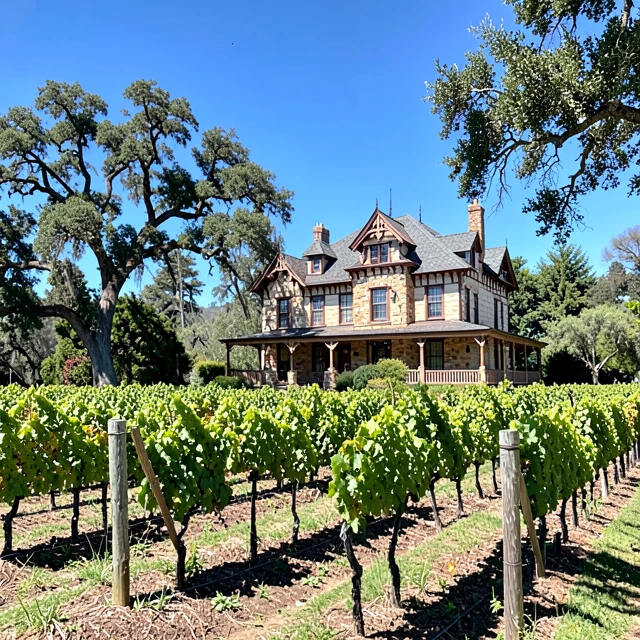
Other notable early wineries included Schramsberg in 1862 and Inglenook in 1879. By 1890, Napa County led California in wine production. Winemakers imported European grape varieties and used advanced techniques for the time. The region earned praise for high-quality wines.
Challenges soon hit. In the 1890s, phylloxera—a tiny root louse—destroyed over 80% of the vines. Growers fought back by grafting vines onto resistant rootstock, but recovery took decades. Then came Prohibition in 1920. Most wineries closed. Some survived by making sacramental wine or grape juice.
Beringer navigated these tough times. After Prohibition ended in 1933, it became the first Napa winery to offer public tours in 1934. This move helped spark wine tourism. Visitors could taste wines and learn about the craft. Beringer wine reviews often highlight its consistent quality across different price points, from everyday bottles to premium Private Reserve options.
The modern era began in the 1960s. New winemakers like Robert Mondavi brought fresh energy. He opened his own winery in 1966 after leaving the family business. Others followed, focusing on quality over quantity. The 1976 Judgment of Paris changed everything. In a blind tasting, Napa wines beat top French bottles. A Napa Chardonnay from Chateau Montelena and Cabernet Sauvignon from Stag's Leap Wine Cellars took top honors. This victory put Napa Valley on the world map.
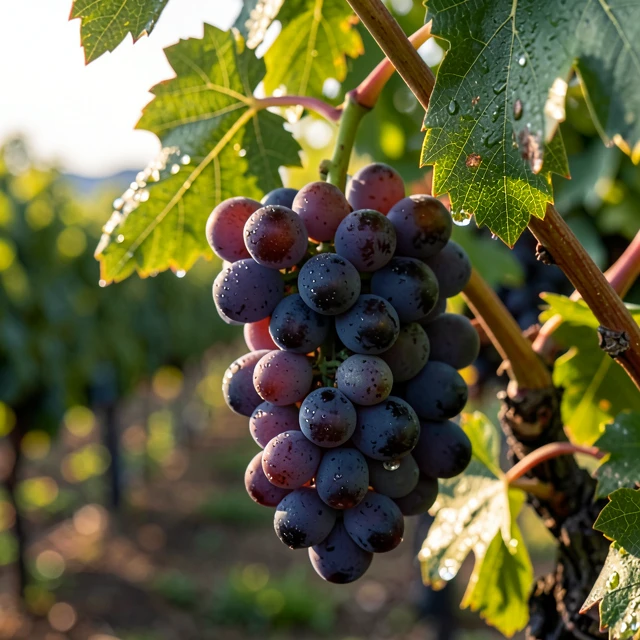
Napa Valley earned official recognition as an American Viticultural Area (AVA) in 1981. Strict land-use rules, including the 1968 Agricultural Preserve, protect the region from overdevelopment. Today, it has 16 sub-AVAs with unique microclimates and soils. Cabernet Sauvignon dominates, but Chardonnay, Merlot, and other varieties thrive too.
Winemaking here blends tradition with innovation. Growers manage yields carefully for concentrated flavors. Winemakers use both classic French methods and modern technology. Many focus on sustainability, including organic practices and water conservation.
Visiting Napa feels personal. You can tour historic sites like Beringer and taste wines that tell stories of resilience. Beringer, for instance, offers a range of wine brands from approachable Founders' Estate to elegant reserves. Many people enjoy exploring how the same valley produces both value-driven and world-class bottles.
Here is a quick timeline of key events:
- 1839: George Yount plants first vines
- 1861: Charles Krug opens first commercial winery
- 1876: Beringer Vineyards founded
- 1890s: Phylloxera outbreak
- 1920-1933: Prohibition
- 1934: Beringer starts public tours
- 1976: Judgment of Paris victory
- 1981: Napa Valley AVA established
The future looks bright. Winemakers continue pushing quality while adapting to climate challenges. Napa Valley proves that great wine comes from passion, patience, and respect for the land.
In summary, the history of Napa Valley winemaking shows a journey of pioneers overcoming obstacles to create something extraordinary. From early plantings to global acclaim, the region inspires wine lovers everywhere. Whether you enjoy casual Beringer wine reviews or seek premium experiences, Napa offers something special.