The Art of Wine Tasting: A Step-by-Step Guide
Welcome to The Art of Wine Tasting: A Step-by-Step Guide. Whether you are just starting out or want to sharpen your skills, this guide walks you through every part of tasting wine in a simple, practical way. You will discover how to notice colors, aromas, flavors, and textures that turn a simple sip into a memorable experience. No fancy equipment needed—just your senses and a little curiosity.
Wine tasting is not about showing off. It is about slowing down and really noticing what is in your glass. Over the years, I have tasted hundreds of wines at home, in restaurants, and across beautiful vineyards. Each time, I learn something new. This guide shares those lessons so you can enjoy the process too.
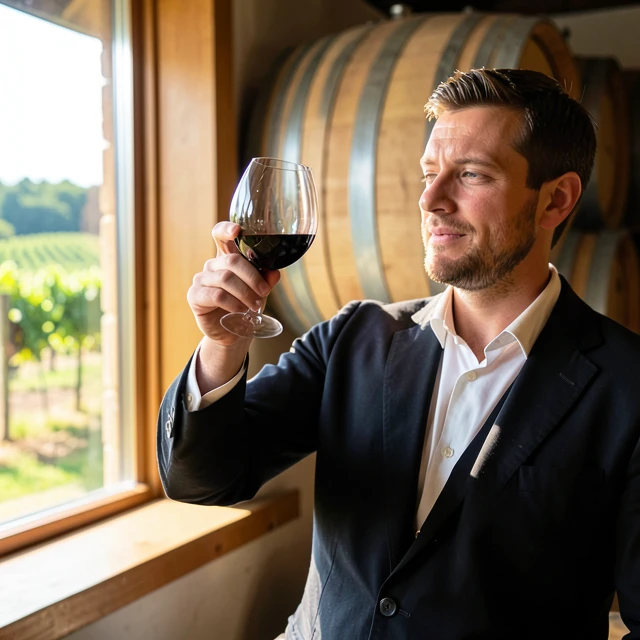
Let us start with the basics. Pick a quiet spot with good lighting. Use a clear glass with a stem so you can swirl easily. Pour about two ounces of wine. Now you are ready for the five steps that pros use every day.
Step 1: See
Hold the glass against a white background. Look at the color. Red wines range from pale ruby to deep purple. White wines go from light straw to golden. Tilt the glass and check the rim for hints of age—older reds often show a brownish edge. Notice if the wine looks clear or cloudy. Clarity tells you the wine was handled well.
I remember my first tasting. The deep garnet color of a Cabernet surprised me. It looked rich even before I took a sip. Pay attention to color because it hints at grape variety and age.
Step 2: Swirl
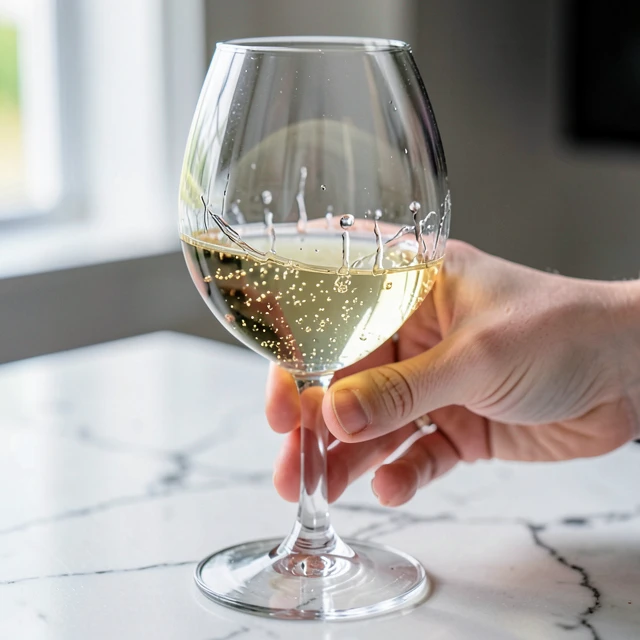
Give the glass a gentle swirl on the table or in the air. This mixes air into the wine and releases aromas. Watch the legs—those streaks that run down the side of the glass. Thicker legs often mean higher alcohol or sugar, but they are just one clue.
Step 3: Sniff
Stick your nose right into the glass and inhale deeply. What do you smell? Fruits, flowers, spices, earth, or oak? Take two or three quick sniffs. Your first impression is often the strongest. Write down a few words even if they feel silly. Practice makes the nose sharper.
Common aromas include:
- Cherry or berry for reds
- Citrus or apple for whites
- Vanilla or toast from oak barrels
- Earth or leather in older wines
One evening I sniffed a Pinot Noir and caught fresh strawberries and a hint of damp forest floor. That memory still makes me smile. Your nose is a powerful tool—trust it.
Step 4: Sip
Take a small sip. Let it coat your tongue. Notice sweetness, acidity, tannin, and body. Is it light like water or full like milk? Roll it around your mouth. Breathe in a little air through your lips to open up more flavors. This is where the magic happens.
Tannins feel like a gentle grip on your gums in red wines. Acidity makes your mouth water. Balance is key—a great wine feels harmonious.
Step 5: Savor
Swallow or spit if you are tasting many wines. Pay attention to the finish—how long the flavors linger. A long finish is usually a sign of quality. Think about what you liked or did not like. Over time you will build your own tasting notes.
Here is a quick table to track your impressions:
| Aspect | What to Note | Example Words |
|---|---|---|
| Color | Hue and clarity | Ruby, straw, clear |
| Aroma | First scents | Cherry, citrus, oak |
| Taste | Sweet, acid, tannin, body | Juicy, crisp, firm |
| Finish | Length and aftertaste | Long, spicy, smooth |
Practice at home with friends. Blind tasting adds fun and sharpens skills. Start with two or three wines that are different—one light white, one bold red, and one in between.
Taking your skills on the road makes everything more exciting. A Beginner’s Guide to Wine Tasting in Sonoma County is the perfect next step. Sonoma offers cool fog and warm sun that create incredible wines. Many people head straight to Jackson Family Wines vineyards locations because they showcase the best of the region.
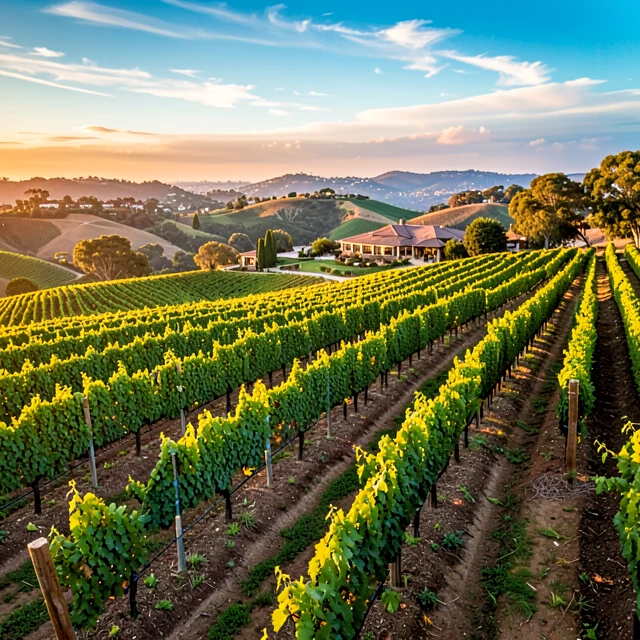
Jackson Family Wines owns some of the most respected vineyards in Sonoma, Napa, and beyond. Their wine brands include favorites like Kendall-Jackson, La Crema, and Freemark Abbey. Each brand tells a story of careful farming and skilled winemaking. When you visit their tasting rooms, you can see the connection between the land and the glass.
I once spent a sunny afternoon at a Jackson Family Wines property in Sonoma. The staff walked us through the same steps we just covered. Tasting their Chardonnay right where the grapes grew felt special. The cool coastal air added a fresh note that matched what was in the glass.
You do not need to travel far to enjoy this. Start with any bottle from their portfolio at your local store. Note the label, pour a glass, and follow the steps. You will taste the care that goes into every Jackson Family Wines bottle.
Common questions often come up. What if I do not like the wine? That is fine—tasting is personal. Over time your palate changes. Keep notes in a small journal or phone app. After a dozen tastings you will spot patterns that help you choose better wines in the future.
Temperature matters too. Serve whites around 50-55°F and reds around 60-65°F. Too cold hides flavors; too warm makes alcohol stand out. A quick 15-minute chill in the fridge works wonders for reds.
Food changes everything. Try the same wine with cheese, dark chocolate, or steak. Notice how the flavors shift. This is one of the most fun ways to deepen your understanding.
In the end, The Art of Wine Tasting: A Step-by-Step Guide is about joy. It turns every glass into an adventure. You do not need to be an expert. You only need to pay attention and stay curious.
Next time you open a bottle, pause for a moment. Look, swirl, sniff, sip, and savor. You will be amazed at what you discover. Cheers to your tasting journey!