Water Conservation in Agriculture: Lessons from the Wine Industry
Water Conservation in Agriculture: Lessons from the Wine Industry
The wine industry faces the same water pressures as every farmer: droughts, rising costs, and the need to grow more with less. Yet leading wine producers show us practical ways to cut water use without sacrificing quality. In this guide, you will explore real-world successes like Jackson Family Wines and organic vineyards, plus simple techniques you can apply today. These insights turn challenges into opportunities for smarter, more resilient farming.
Water is the lifeblood of agriculture, but supplies are under strain worldwide. Farmers use about 70 percent of global freshwater, and climate shifts make every drop count even more. The wine sector, with its high-value crops and long growing seasons, has invested heavily in solutions. What they learned offers lessons that work for orchards, row crops, and beyond. You do not need fancy equipment to start—just smart choices and steady habits.
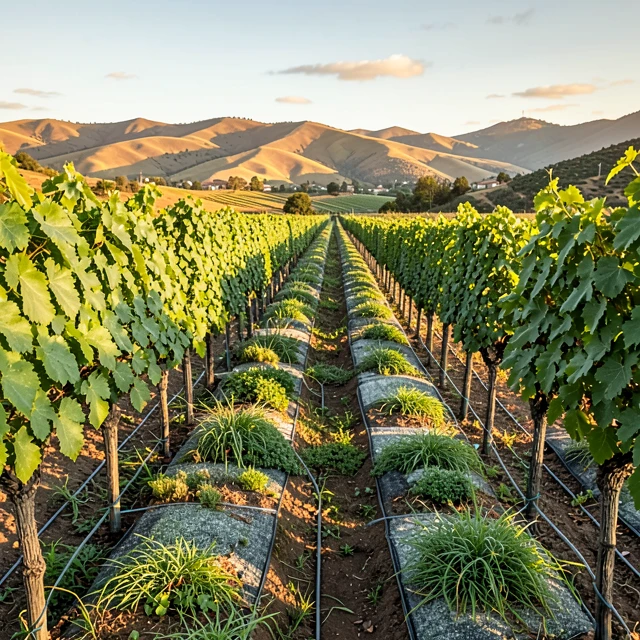
Vineyards use water for irrigation, frost protection, and winery operations. Traditional flood methods waste a lot through evaporation and runoff. Modern winegrowers switched to precision tools and changed how they think about stress on the vines. The result? Better grapes and far less water. These changes prove you can produce premium crops while protecting resources.
Why the Wine Industry Excels at Water Conservation
Wine grapes are tough plants. They thrive in dry conditions once established. Growers discovered that controlled water stress often improves flavor, color, and concentration in the fruit. This insight drives smart water use in winemaking across the globe. Instead of constant watering, they measure exactly what the vines need and deliver it efficiently.
Regulated deficit irrigation stands out as a game-changer. Farmers apply less water during key growth stages after the grapes start to ripen. The vines focus energy on fruit instead of extra leaves. University of California research shows this approach maintains or even boosts quality while cutting water use significantly. University of California research on regulated deficit irrigation explains the timing and amounts that work best.
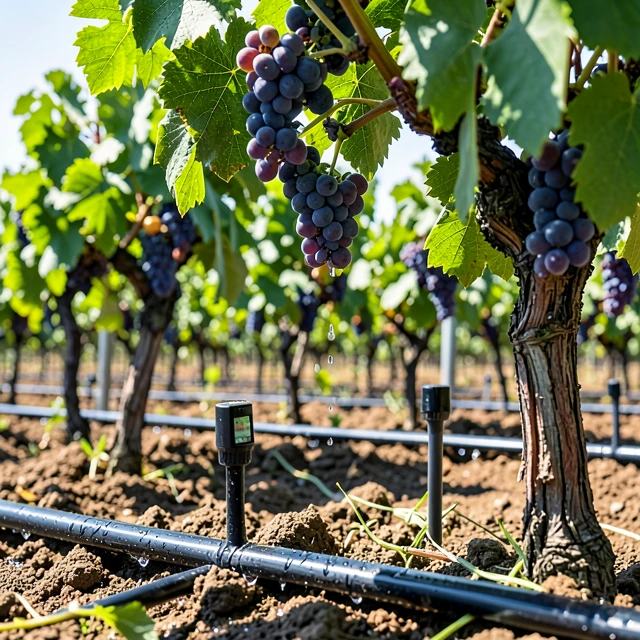
Drip systems deliver water straight to roots. Soil moisture sensors and weather data guide decisions. These tools prevent overwatering and let you respond to real conditions. Washington State University tested advanced subsurface drip methods and found they slash vineyard water use by 35 percent compared with standard practices. Washington State University study on advanced irrigation systems
Spotlight: Jackson Family Wines and Organic Vineyards
Jackson Family Wines stands as a leader in turning big ideas into daily practice. This major producer of popular wine brands owns estates across prime growing regions. They committed to organic certification for all Napa Valley vineyards and push regenerative farming across their properties. Their Jackson Family Wines teams treat water as a shared resource.
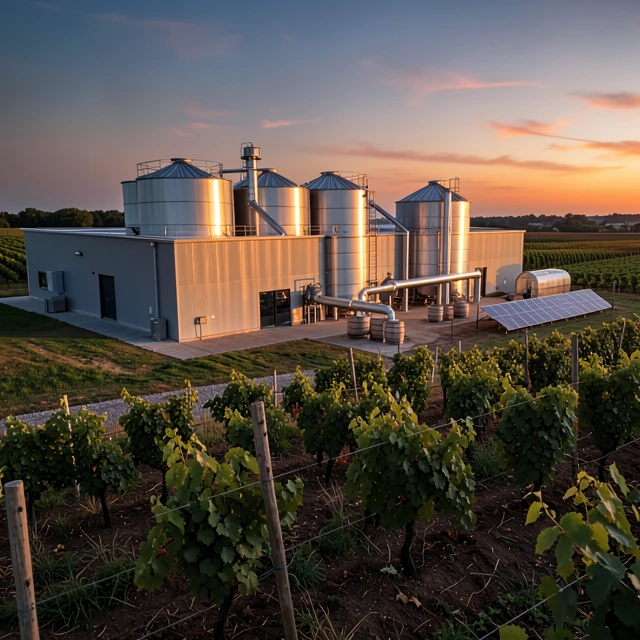
Since 2015, Jackson Family Wines cut water use intensity in their wineries by 43 percent. They save more than 28 million gallons every year—enough to fill 44 Olympic-sized pools. How? Rainwater captured from winery roofs fills tanks for cleaning and cooling. Barrel-washing systems reuse the same water multiple times, using two-thirds less than before. Their Water Wise program turns employees into conservation champions through friendly competitions.
In the vineyards, Jackson Family Wines and organic vineyards rely on cover crops, compost, and minimal tillage. These build soil that holds moisture longer. Advanced irrigation monitors vine stress in real time. The company shares these tools with other growers because they believe industry-wide change protects everyone. Their approach shows that large-scale operations and small family farms can both win with water-smart methods.
Smart Water Use in Winemaking: Techniques You Can Adopt Today
You do not need a winery to borrow these ideas. Here are four proven steps that deliver results:
-
Install drip or subsurface irrigation – Targets roots and reduces evaporation. Many farms see 30-50 percent savings right away.
-
Use deficit irrigation strategically – Hold back water after veraison (when grapes change color). Oregon State University research found growers can cut irrigation nearly in half while keeping excellent fruit quality. Oregon State University study on wine grape irrigation efficiency
-
Monitor with sensors and data – Cheap soil probes and free weather apps replace guesswork. You irrigate only when the plants actually need it.
-
Capture and reuse water – Collect roof runoff, recycle wash water, and return clean water to aquifers. Jackson Family Wines proves this works at scale.
| Technique | Typical Water Savings | Extra Benefit |
|---|---|---|
| Drip Irrigation | 30-50% | Healthier roots, less disease |
| Regulated Deficit | 20-40% | Richer grape flavors |
| Soil Sensors | 15-35% | Precise timing, lower costs |
| Rainwater Capture | 10-25% | Reduced pumping energy |
These methods pay off fast. Lower water bills, stronger plants, and often higher market prices for quality crops make the switch worthwhile. Small changes add up when you track results season after season.
Actionable Insights for Every Farmer
Start small and scale up. Walk your fields and note wet and dry spots. Test one block with deficit irrigation this season. Install a few sensors and watch the data. Talk to neighbors who already use these tools—many winegrowers share openly because they know healthy watersheds benefit everyone.
Think beyond the field too. Cover crops and compost build soil that acts like a sponge. Healthy soil holds water longer and needs less irrigation. Jackson Family Wines shows regenerative practices improve both water use and grape quality at the same time.
Track your wins. Measure water use before and after changes. Celebrate savings the way Jackson Family Wines does with their team programs. When you see the numbers, you will stay motivated to do more.
The wine industry proves that conservation and profitability go hand in hand. Premium wine brands command higher prices because buyers value sustainability. The same logic works for any crop. Consumers want to know their food and drink come from farms that respect water. Your story of smart practices can become a selling point.
A Clear Path Forward
Water Conservation in Agriculture: Lessons from the Wine Industry show us we already have the tools. Jackson Family Wines and countless other innovators turned big challenges into daily habits that save water, improve quality, and protect the land for future generations. Smart water use in winemaking is not a luxury—it is smart business.
You can begin today with one drip line, one sensor, or one rainwater barrel. Every drop saved strengthens your farm and the entire agricultural community. The vineyards leading the way prove it works. Now it is your turn to join them.