How California Wineries Shaped Global Wine Culture
California wineries have changed how the world thinks about and enjoys wine. From early mission plantings to the famous 1976 Judgment of Paris, these vineyards brought fresh, fruit-forward styles that challenged old traditions. Today, they continue to influence winemaking everywhere with innovation, sustainability, and approachable quality.
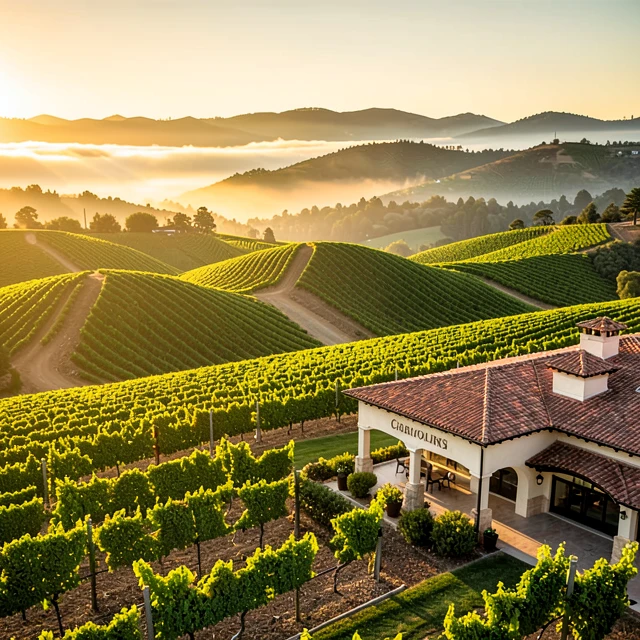
When you sip a glass of California Chardonnay or Cabernet Sauvignon, you taste more than just grapes. You experience a story that started over 250 years ago. Spanish Franciscan missionaries planted the first vines in 1769 to make sacramental wine. Those early Mission grapes laid the groundwork for an industry that now produces nearly 90 percent of American wine and influences global wine culture.
Discover the Rich History of California’s Family-Owned Wineries. Many of today’s top producers trace their roots to determined families who saw potential in the state’s Mediterranean climate. Jean Louis Vignes, a French immigrant, planted European vines in Los Angeles in the 1830s and became known as the father of California winemaking. His success inspired others during the Gold Rush era.
By the late 1800s, wineries like Inglenook gained international acclaim. Yet challenges came with Prohibition in the 1920s, which nearly wiped out the industry. Families who survived rebuilt quietly, preserving knowledge and old vines that still produce distinctive wines today.
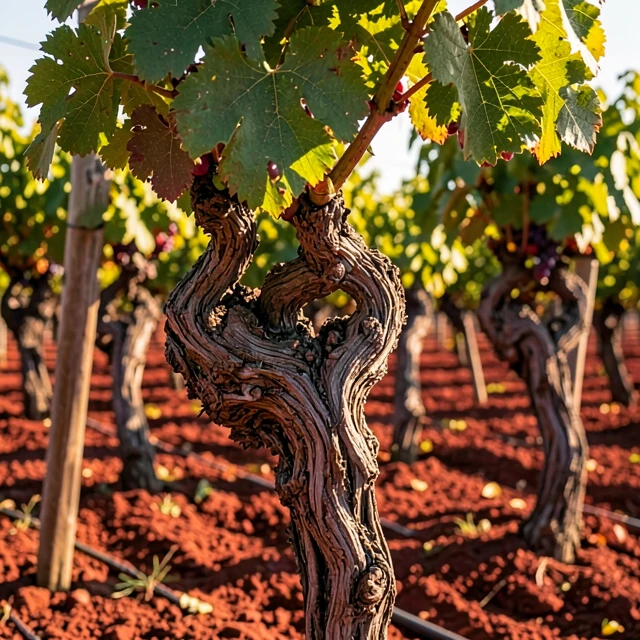
The big turning point arrived in 1976. In a blind tasting in Paris, California wines beat top French bottles. A Napa Valley Chardonnay from Chateau Montelena and a Cabernet from Stag’s Leap Wine Cellars shocked the judges. This Judgment of Paris proved that great wine could come from anywhere with the right terroir and skill. It opened doors for New World producers worldwide.
California wineries introduced bolder, fruitier styles that appealed to everyday drinkers. Instead of heavy oak and earthiness favored in Europe, they emphasized bright cherry, vanilla, and tropical notes. This shift made wine less intimidating and more fun, encouraging millions to explore it with meals or on its own.
Family-Owned Wineries: Preserving Heritage in a Corporate World. While large companies dominate volume, many family-owned wineries keep traditions alive. They focus on small-batch production, sustainable farming, and telling personal stories. These operations often farm the same land for generations, maintaining old-vine plantings and unique microclimates.
Visiting a family winery feels different. You might chat with the owner who planted the vines or taste wines aged in the same cellar their grandparents used. This personal touch builds loyalty and helps preserve California’s diverse wine heritage against mass production.
Exploring California’s Vintner Heritage Through Local Wineries offers a rich journey. In Sonoma, Dry Creek Valley, and Paso Robles, you find passionate vintners experimenting with Rhône varieties or reviving forgotten grapes. Many emphasize organic practices and biodiversity, setting standards that influence winemakers globally.
Sustainability stands out as a key contribution. California leads in green practices like water conservation, solar power, and habitat restoration. These efforts respond to climate challenges while creating wines that reflect their specific sites more clearly.
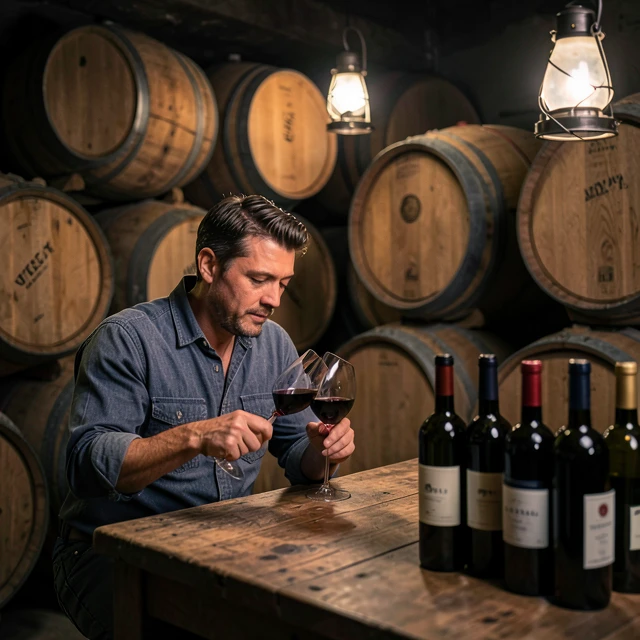
Jackson Family Wines vs other wine brands highlights different approaches in the industry. Jackson Family Wines, started by Jess Jackson with Kendall-Jackson Chardonnay, grew into a global portfolio with dozens of labels. They balance quality with broad appeal and strong sustainability programs. In contrast, smaller independent brands often emphasize ultra-premium, site-specific wines with limited production.
Larger corporate brands may offer consistent, affordable options through economies of scale. Family-owned operations like Jackson bring resources for innovation while maintaining a personal legacy. Both play important roles: one makes wine accessible to more people, while the other pushes boundaries of excellence.
Here is a quick comparison of key aspects:
| Aspect | Jackson Family Wines | Smaller Family-Owned Brands |
|---|---|---|
| Scale | Large portfolio, global reach | Small production, local focus |
| Style | Approachable, fruit-forward | Often more terroir-driven |
| Sustainability | Strong programs across estates | Hands-on, regenerative practices |
| Accessibility | Widely available | Limited distribution |
California’s influence goes beyond taste. The state popularized wine tourism with beautiful tasting rooms, vineyard tours, and events. Millions visit each year, boosting local economies and spreading appreciation for wine culture. This model inspired regions in Australia, South Africa, and South America to develop their own visitor experiences.
Innovation continues today. California winemakers experiment with new varieties, lower alcohol levels, and alternative aging methods. They also lead in technology for precision viticulture, helping the entire industry adapt to changing climates.
Personal insights from visiting these places stay with you. Walking through sunlit rows of vines, you feel connected to the land and the people who nurture it. Tasting a wine made with care from family heritage brings a deeper appreciation than any label can convey.
Challenges exist, including market shifts and climate pressures. Yet California wineries show resilience by focusing on quality and authenticity. Their story proves that passion and place can create wines that resonate worldwide.
In summary, How California Wineries Shaped Global Wine Culture remains a powerful narrative of innovation meeting tradition. From mission beginnings to modern triumphs, these wineries opened minds and palates to new possibilities. Whether you prefer big brands or small family estates, the impact enriches every glass you enjoy.