Sustainability in Winemaking Explained
Sustainability in winemaking explained goes beyond trendy buzzwords. It represents a thoughtful approach to growing grapes and crafting wine that respects the land, supports communities, and ensures the industry thrives for generations. This comprehensive guide explores the key practices, challenges, and inspiring examples shaping modern winemaking.
What Does Sustainability in Winemaking Mean?
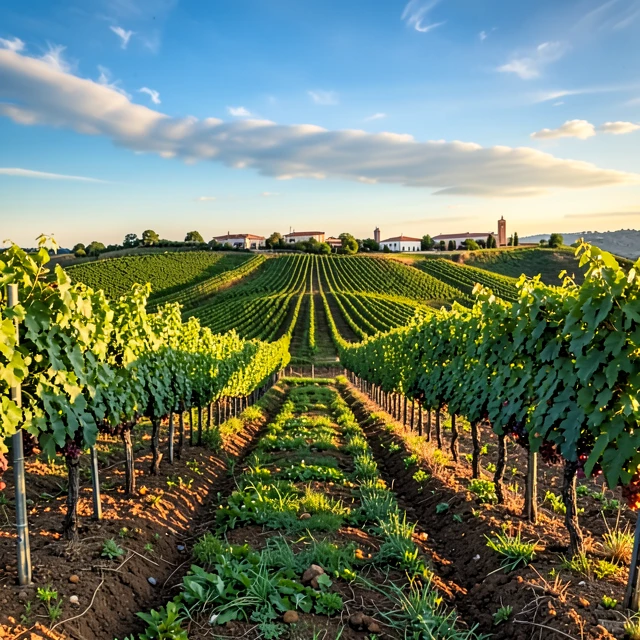
At its core, sustainability balances three pillars: environmental care, social responsibility, and economic viability. Growers and winemakers focus on healthy soil, water conservation, reduced energy use, biodiversity protection, and fair treatment of workers.
The Wine Institute highlights how California leads with comprehensive programs. Their Sustainable Winegrowing Program encourages practices that conserve resources while producing high-quality wines.
Unlike conventional farming that might rely heavily on chemicals, sustainable winemaking prioritizes natural methods. This includes using cover crops to prevent erosion, composting to enrich soil, and integrated pest management instead of broad pesticides. These steps protect the environment without sacrificing the unique flavors that make great wine.
The Art of Winemaking: From Grape to Glass
The journey from vineyard to bottle showcases both tradition and innovation. Skilled winemakers monitor every step with care. They harvest grapes at perfect ripeness, ferment with attention to temperature, and age wines in ways that enhance character.
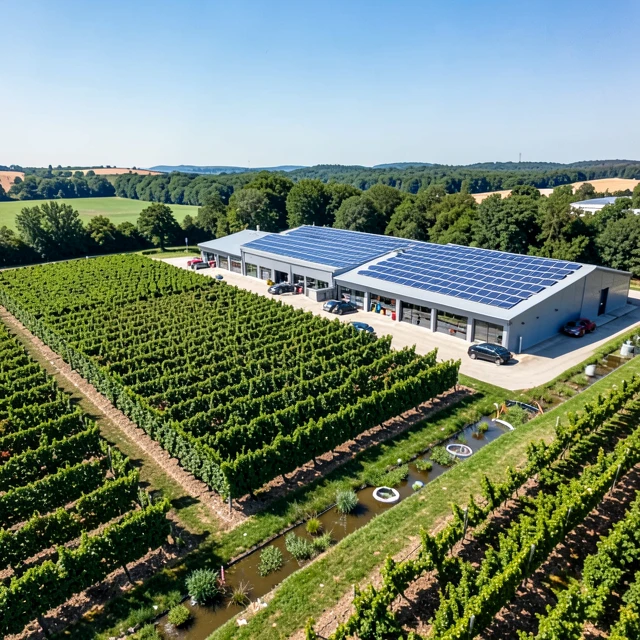
Sustainable choices appear throughout this process. Many wineries now use solar power for operations, recycle water, and minimize packaging waste. These efforts lower the carbon footprint while often improving wine quality through healthier grapes.
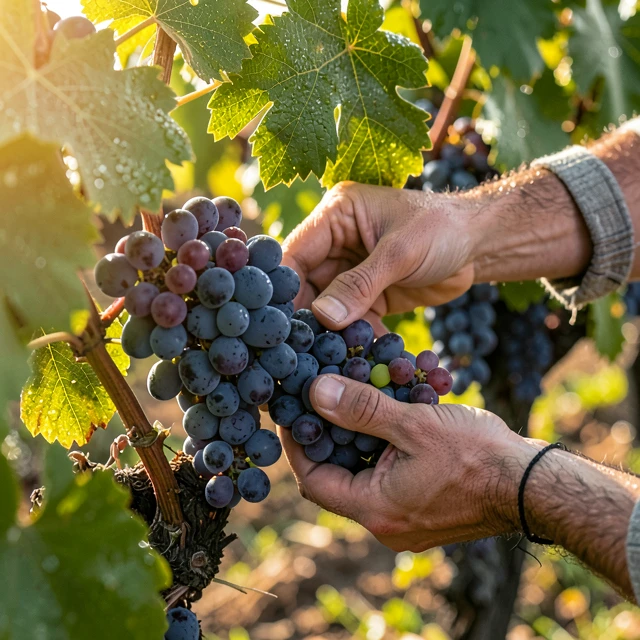
Personal insight: Visiting various vineyards over the years, I've noticed that sustainably farmed grapes often taste more vibrant. The connection between careful land stewardship and superior flavor profiles feels genuine rather than marketed.
Understanding Terroir: The Connection Between Land and Wine
Terroir represents the unique character a place gives to its wine. Soil composition, climate, slope, and even local wildlife all contribute to distinctive tastes. Sustainable practices protect this special connection by maintaining soil health and ecosystem balance.
According to experts at UC Davis Department of Viticulture and Enology, understanding and preserving terroir drives much of their research into sustainable viticulture. Healthy soils full of microbial life produce grapes that better express their origin.
When growers avoid over-tilling or excessive chemicals, they preserve the natural microbiome. This leads to more resilient vines better equipped to handle climate variations. The result? Wines with more complex aromas and flavors that truly reflect their home.
Key Practices in Sustainable Winemaking
Several practical approaches define modern sustainable operations:
- Water Management: Drip irrigation and soil moisture sensors dramatically cut water use.
- Soil Health: Cover crops and compost build organic matter and sequester carbon.
- Biodiversity: Planting native species and maintaining habitats for beneficial insects and wildlife.
- Energy Efficiency: Solar panels, gravity flow systems, and insulated buildings reduce electricity needs.
- Waste Reduction: Composting pomace (grape skins) and recycling materials.
Many regions offer certification programs. These third-party verifications assure consumers that claims match real actions on the ground. California's Certified Sustainable Winegrowing program stands out as one of the most robust worldwide.
Jackson Family Wines and Organic Vineyards: A Leading Example
Jackson Family Wines demonstrates leadership in sustainability. Their Rooted for Good initiative commits to cutting carbon emissions in half by 2030 and transitioning all estate vineyards to regenerative practices.
They have achieved organic certification for their Napa Valley vineyards and source a high percentage of fruit from certified sustainable growers. These efforts include regenerative farming techniques that build soil health, enhance biodiversity, and improve water management.
What impresses me most is their long-term thinking. By investing in these practices, they not only reduce environmental impact but often see better grape quality and stronger community ties. It's a model other producers can learn from.
Benefits and Challenges of Going Sustainable
Sustainable winemaking offers clear advantages:
| Benefit | Description |
|---|---|
| Environmental | Healthier ecosystems, lower emissions, preserved biodiversity |
| Quality | Often more expressive wines with better balance |
| Economic | Reduced input costs over time, premium pricing potential |
| Social | Better worker conditions, stronger community relations |
Challenges exist too. Transitioning requires upfront investment and new knowledge. Climate change adds pressure through extreme weather. Yet many producers report that sustainable methods increase resilience against these very challenges.
Research from reputable sources confirms positive impacts. For example, studies on regenerative practices show improvements in soil carbon storage and water retention, helping vineyards adapt to changing conditions.
Actionable Steps for Wine Lovers and Producers
Consumers can support sustainability by choosing certified wines and asking questions at tastings. Look for seals from respected programs and learn about producers' practices.
For those in the industry, start small. Assess your current water and energy use. Experiment with cover crops in one section. Join local sustainability alliances for shared learning.
Small changes add up. Every vineyard that improves soil health contributes to a more resilient wine industry overall.
Looking Ahead: The Future of Wine
Sustainability in winemaking explained shows an industry adapting creatively to modern realities. By honoring the land that gives wine its character, producers ensure future generations can enjoy the same pleasure we do today.
The connection between thoughtful practices and exceptional wine grows clearer every year. As more regions and producers embrace these methods, the entire glass raises in celebration of both flavor and responsibility.