How to Choose Sustainable Wines: Your Complete Guide to Eco-Friendly Bottles
Choosing sustainable wines helps you enjoy great taste while supporting the environment and your well-being. This guide explains how to choose sustainable wines, from reading labels to understanding certifications. You will find simple steps, real insights, and reasons why these choices matter.

Sustainable wine production focuses on caring for the land, using fewer chemicals, and protecting natural resources. Growers often use organic methods, biodynamic practices, or regenerative farming. These approaches create better grapes and healthier ecosystems.
When you walk into a wine shop, the shelves can feel overwhelming. Look for key words on the label like 'organic,' 'biodynamic,' or 'sustainable.' Many wines now carry official seals from groups that verify these claims. Taking time to check these details makes your selection more meaningful.
I remember my first visit to a small organic winery. The winemaker explained how avoiding synthetic pesticides improved both the soil and the flavor of the wine. That experience opened my eyes to why organic wines often taste more vibrant and complex.
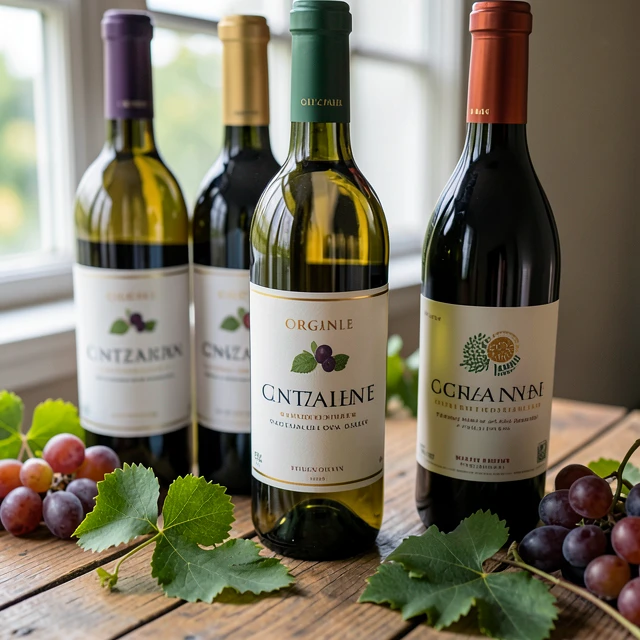
Health Benefits of Organic Wines deserve attention. These wines usually contain fewer additives and sulfites. Many people report fewer headaches and better mornings after drinking them. The grapes grow in richer soil, which can mean higher levels of natural antioxidants.
Why Organic Wines Are Worth It: A Deep Dive. Organic farming builds healthy soil that holds more water and nutrients. This resilience matters especially during climate challenges. Studies suggest organic wines can have higher concentrations of beneficial compounds like resveratrol. Plus, you avoid residues from conventional pesticides.
A Guide to Sustainably Sourced Wines goes beyond organic. Some producers use solar power, recycle water, or plant cover crops to prevent erosion. Others focus on fair labor practices. These extra steps create wines with a positive story behind every bottle.
Start by checking certifications. Common ones include USDA Organic, EU Organic, and Demeter for biodynamic. In the United States, look for the 'Made with Organic Grapes' label. Apps and websites can help decode these symbols quickly while shopping.
| Certification | What It Means | Why It Matters |
|---|---|---|
| Organic | No synthetic pesticides or GMOs | Cleaner product, healthier soil |
| Biodynamic | Holistic farming with natural rhythms | Enhanced biodiversity and wine quality |
| Sustainable | Broader eco-friendly practices | Long-term environmental protection |
Consider the region too. Some areas naturally support sustainable growing. Places with strict regulations often produce excellent eco-friendly wines. California offers many great examples, and attending Beringer wine tasting events can give you a firsthand look at their sustainable efforts.

Personal taste still guides your final choice. Sustainable wines come in every style – crisp whites, bold reds, and elegant rosés. Experiment with different producers. Many small wineries share their stories online, making it easy to learn what makes their approach special.
Budget matters for most of us. Good sustainable wines exist at every price point. Entry-level organic options often cost the same as conventional wines. As you explore, you will notice that paying a bit more frequently brings superior quality and peace of mind.
Store your sustainable wines properly to enjoy them at their best. Keep bottles in a cool, dark place. Many have natural corks that support sustainable forestry. When serving, pay attention to temperature – most reds shine around 60-65°F while whites prefer 45-50°F.
Sustainability also includes supporting wineries that reduce their carbon footprint through lighter bottles and local distribution. Every small choice adds up when millions of people make similar decisions.
In summary, learning how to choose sustainable wines empowers you to make choices that benefit your health, local communities, and the planet. Start small by picking one organic bottle next time you shop. Your taste buds and the Earth will thank you.