Renewable Energy in Wineries: Case Studies and Best Practices
Wineries around the world are turning to renewable energy to reduce their footprint while producing great wines. This article explores Renewable Energy in Wineries: Case Studies and Best Practices, showing real examples and simple steps any winery can take. You'll see how these changes help the planet and the business.
A Quick Overview
The wine industry faces real environmental challenges, but forward-thinking wineries are leading the way. By using solar, wind, and other clean sources, they cut costs, lower emissions, and create better wines. Let's dive into the impact, success stories, and practical tips you can use.
The Environmental Impact of the Wine Industry
Wine production uses a lot of energy and resources. Growing grapes, making wine, bottling, and shipping all add up. Glass bottles alone create a huge part of the carbon footprint because making and moving them takes lots of fuel. Studies show packaging can account for up to half of emissions for a bottle of wine.
Vineyards also use water, diesel for tractors, and electricity for pumps and cooling. Climate change makes these problems worse with hotter summers and changing weather patterns. Wineries feel the pressure to act.
Many wine brands now see sustainability as a smart business move. Customers want eco-friendly options, and renewable energy helps wineries meet that demand while saving money on power bills. The shift brings real benefits for everyone involved.
Why Renewable Energy Matters for Wineries
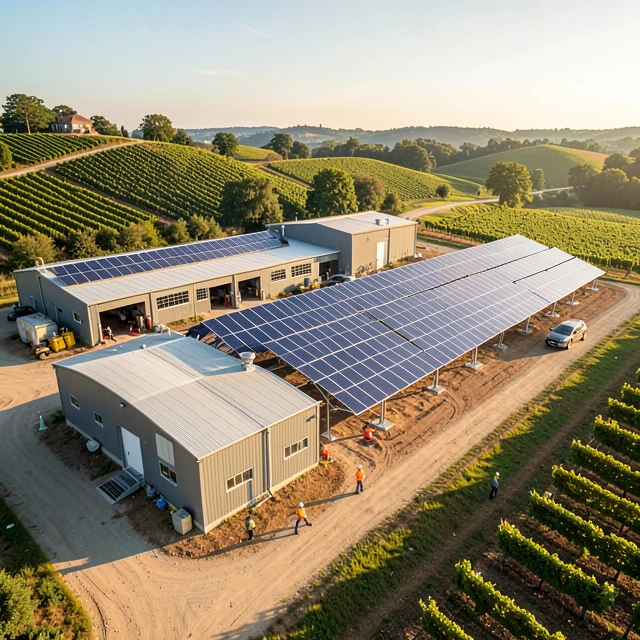
Switching to renewable sources like solar and wind cuts greenhouse gases fast. It also protects against rising energy prices. Many wineries generate their own power on site, which means less dependence on the grid.
Beyond energy, these changes often pair with regenerative farming. This builds healthy soil, saves water, and supports wildlife. The result? Stronger vines and unique wines that reflect the land better.
Let's look at some inspiring examples. These case studies show how different wine brands make renewable energy work.
Case Study: Sustainable Practices at Jackson Family Wines
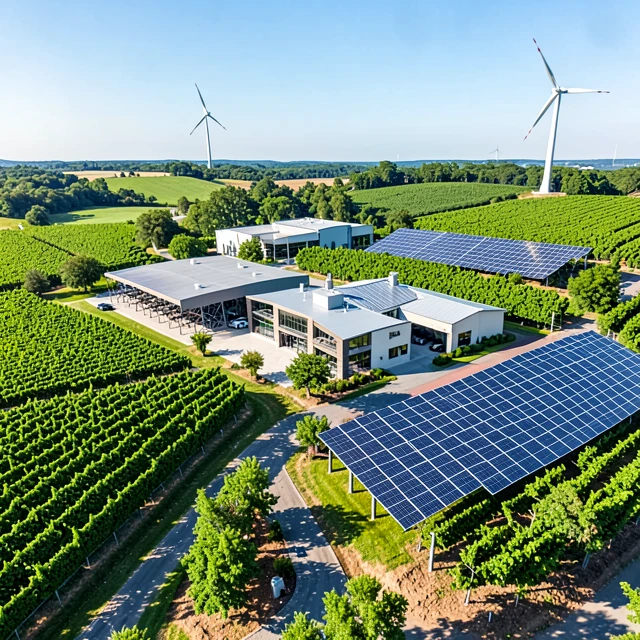
Jackson Family Wines stands out as a leader in the industry. This well-known group of wine brands has installed more on-site solar than any other winery in the United States. Their massive array with over 23,000 panels powers about 30% of their winemaking operations already.
They aim to reach over 50% renewable energy for winery electricity by 2025. Plans include a big wind turbine and floating solar arrays. These additions could equal removing more than 1,000 cars from the road each year.
The company also focuses on regenerative farming across their estates. They use cover crops, composting, and reduced tillage to improve soil health. These steps help vines handle climate stress better and store more carbon in the ground.
Jackson Family Wines tracks their progress carefully. They have cut bottle weights for several brands, saving millions of dollars and reducing emissions. Their 'Rooted for Good' plan targets cutting carbon emissions in half by 2030 while expanding sustainable practices.
Other Successful Case Studies
Many other wine brands show creative approaches:
-
Yealands Estate in New Zealand uses solar panels, wind turbines, and biomass from vine cuttings. This mix keeps their operations running cleanly.
-
Tablas Creek Vineyard in California combines solar power with regenerative organic certification. Their focus on soil health and clean energy creates top-quality wines.
-
Smaller wineries often start with rooftop solar and energy-efficient equipment like LED lights and better cooling systems.
Best Practices for Renewable Energy in Wineries
Here are practical steps any winery can follow:
-
Start with an energy audit. Find where you use the most power, like refrigeration or pumps.
-
Install solar panels. Rooftops and open land work well. Many areas offer incentives that speed up payback.
-
Add battery storage. Store extra power for nighttime or cloudy days.
-
Use energy-efficient equipment. Upgrade to variable speed pumps and LED lighting.
-
Explore wind or biomass. These suit certain locations and waste streams.
-
Lighten packaging. Switch to lighter bottles or alternative materials when possible.
| Practice | Benefits | Examples |
|---|---|---|
| Solar Arrays | Cuts electricity costs, reduces emissions | Jackson Family Wines |
| Regenerative Farming | Better soil, carbon storage | Multiple California estates |
| Biomass from prunings | Uses waste for energy | Yealands Estate |
| Efficient Cooling | Lower energy use | Many modern wineries |
Combine these with water conservation and waste reduction for bigger results. Track everything with simple software to see your progress over time.
Challenges and How to Overcome Them
Upfront costs can feel high, but incentives and long-term savings help. Start small with one building or section. Partner with local experts or join industry groups for shared knowledge.
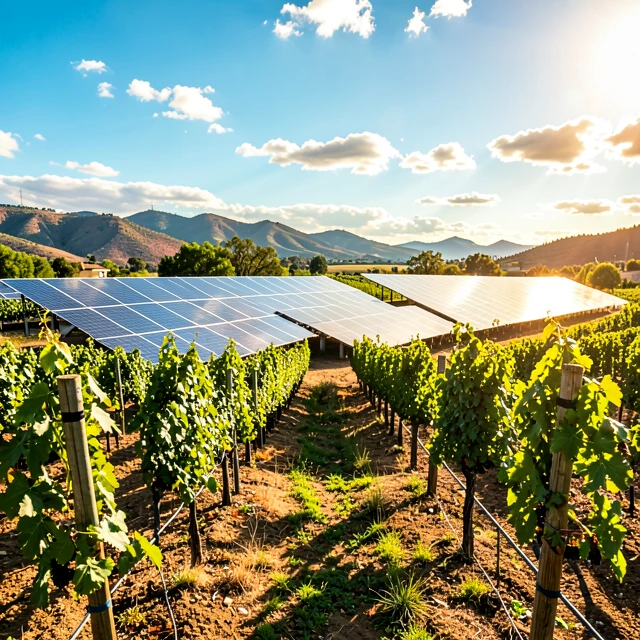
Weather and space limitations exist in some regions, but creative solutions like agrivoltaics (solar panels over vines) solve both energy and growing needs at once.
The Future Looks Bright
Renewable energy helps wineries stay profitable while protecting the land for future generations. As technology improves, these practices will become standard. Wine lovers benefit too, knowing their favorite bottle supports positive change.
Summary
Renewable Energy in Wineries: Case Studies and Best Practices shows a clear path forward. From Jackson Family Wines' big solar projects to smaller innovations, the industry is making real progress against The Environmental Impact of the Wine Industry. Every step counts, whether you're a large producer or a boutique wine brand. Start today and build a more sustainable tomorrow.