Sustainable Winemaking: A Guide for the Modern Winemaker
Overview
Sustainable winemaking blends environmental care, smart business, and great wine. Modern winemakers face climate challenges, water limits, and consumer demand for responsible products. This guide shares real practices, insights from industry leaders, and steps you can take today to build a thriving, planet-friendly operation.
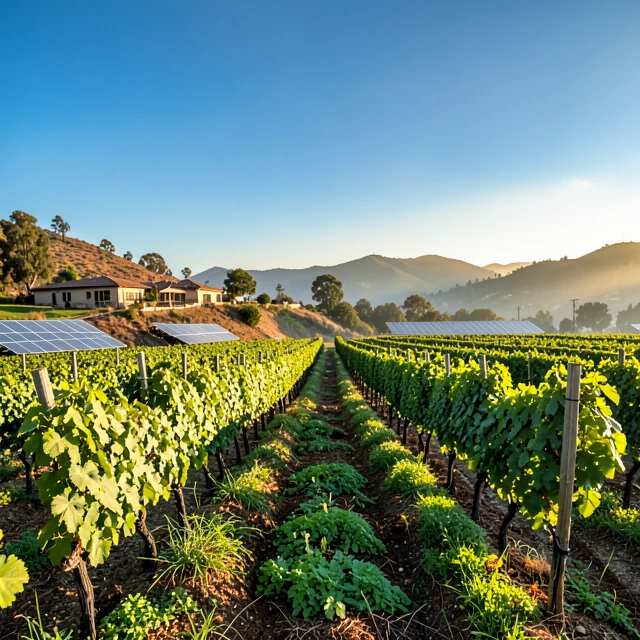
Winemaking has deep roots, especially in California. The state's wine story starts with Spanish missionaries in the late 1700s who planted the first vines for religious purposes. Commercial growth exploded during the Gold Rush, faced near destruction during Prohibition, and roared back in the mid-20th century thanks to innovation and the famous Judgment of Paris in 1976. Today, California leads in both quality and sustainable efforts. For deeper history, check resources from institutions like UC Davis that document this evolution.
Why Sustainability Matters in Winemaking
Sustainable practices protect the land that grows your grapes. Healthy soil holds more water and carbon, reduces erosion, and supports stronger vines. Wineries that adopt these methods often cut costs on water, energy, and chemicals while creating wines with unique character that reflect their terroir.
Consumers notice. Many prefer wines from responsible producers. By focusing on sustainability, you build loyalty and stand out in a crowded market.
Key benefits include: - Lower greenhouse gas emissions - Better biodiversity and wildlife habitats - Reduced water usage - Improved soil health for future generations - Stronger brand reputation
Core Sustainable Winemaking Practices
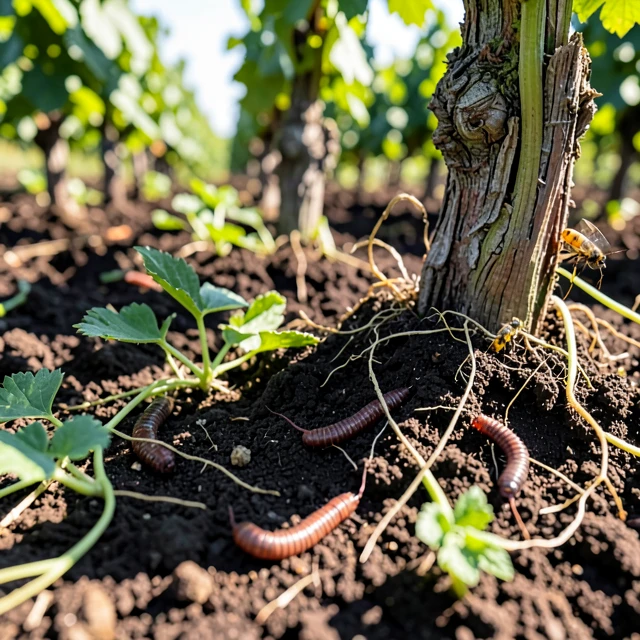
Start with the vineyard. Use cover crops like clover or grasses between rows to prevent erosion, add nutrients, and support pollinators. Many winemakers practice no-till or minimal tillage to keep soil life intact.
Water management is critical. Install sensors to monitor soil moisture and use drip irrigation efficiently. Collect and reuse rainwater where possible. In dry regions, these steps save thousands of gallons per season.
Pest control shifts from harsh chemicals to integrated methods. Encourage natural predators, use pheromones, and plant diverse species around vineyards. Organic or biodynamic approaches often yield excellent results over time.
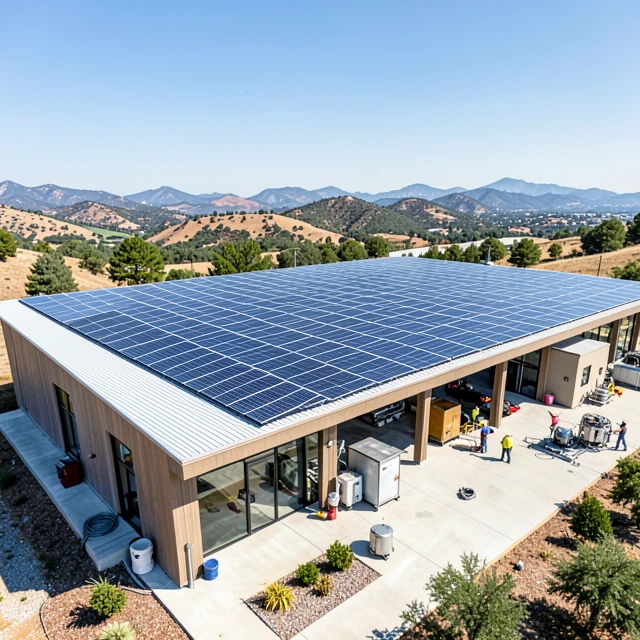
In the winery, switch to renewable energy. Solar panels, energy-efficient equipment, and smart lighting cut power bills and emissions. Lightweight bottles with recycled glass reduce transport impact. Composting waste and recycling help reach near-zero landfill goals.
Track your progress with certifications like California Sustainable Winegrowing. These programs offer frameworks and credibility.
Sustainable Winemaking Practices: Lessons from Industry Leaders
Leading wineries show what works at scale. They prove you can grow while protecting resources. Their stories offer practical blueprints for smaller operations too.
Sustainability in Winemaking: How Jackson Family Wines Leads the Way
Jackson Family Wines stands out as a major player committed to big goals. They source a high percentage of fruit from certified sustainable vineyards and power a significant portion of operations with onsite renewable energy. Their "Rooted for Good" roadmap targets regenerative farming across all estate vineyards by 2030, aiming to cut carbon emissions sharply and enhance water conservation.
They have installed more onsite solar than any other U.S. winery, powering over 30% of winemaking. Practices include building soil health, preserving habitats, and sharing innovations like water-saving tech with the broader industry. Their approach shows how large producers can drive meaningful change while producing world-class wines from renowned estates.
A Deep Dive into Jackson Family Wines’ Portfolio
Their portfolio spans iconic California regions and beyond, with brands known for quality and now strong sustainability stories. From Chardonnay to Cabernet, each wine benefits from careful land stewardship. Visiting their sites or learning their methods inspires many winemakers to adopt similar regenerative techniques that enrich ecosystems.
Personal insight: I once walked a vineyard using cover crops and saw the difference in soil vitality firsthand. The vines looked robust, and the team reported fewer inputs needed. These changes build resilience against drought and heat.
Getting Started as a Modern Winemaker
-
Assess your current operation: Measure water and energy use, soil health, and waste.
-
Set clear goals: Aim for specific reductions in emissions or water intensity.
-
Implement vineyard changes gradually: Start with cover crops on a few acres.
-
Invest in renewables: Solar pays back over time and qualifies for incentives.
-
Engage your team and community: Share knowledge and volunteer locally.
-
Monitor and certify: Use third-party programs for validation.
For technical guidance on sustainable practices, explore resources from Wine Institute's sustainability programs. Academic insights from places like UC Davis Viticulture programs add valuable research backing.
Challenges exist—upfront costs, learning curves, and variable weather. Yet most who commit report better wines, happier teams, and stronger businesses long-term.
Summary
Sustainable winemaking is not a trend but the future. By adopting smart practices, learning from leaders like Jackson Family Wines, and staying rooted in California's rich history, modern winemakers create wines that taste better and do better for the planet. Start small, stay consistent, and watch your operation thrive.