Sustainability at Jackson Family Wines: Rooted for Good and the Path to a Greener Future
Sustainability at Jackson Family Wines stands out as a shining example of how a major wine producer can protect the planet while crafting world-class bottles. Their Rooted for Good program, detailed at https://www.jacksonfamilywines.com/rooted-for-good, lays out a clear 10-year roadmap to 2030 focused on real action. Launched in 2021, it shows a family-owned company turning good intentions into measurable results.
Jackson Family Wines owns more than 40 wine brands across California, Oregon, and beyond. Fans who read Jackson Family Wines wine reviews often praise the consistent quality and vibrant flavors. What many may not realize is how deeply sustainability shapes every sip.
I have toured several of their estates and tasted wines from brands like Kendall-Jackson and La Crema. The connection between healthy land and better-tasting wine feels immediate. You taste the care in every glass.
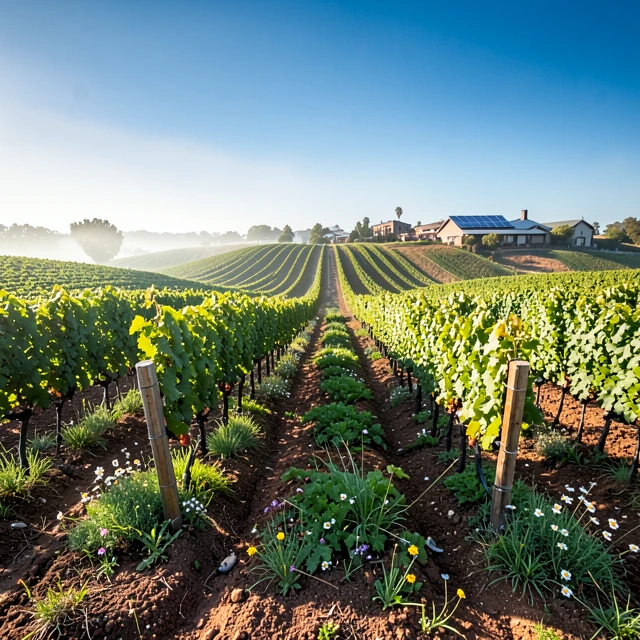
The Rooted for Good plan rests on four strong pillars. First comes Climate Action. Jackson Family Wines aims to cut carbon emissions in half by 2030 and become climate positive by 2050 without buying any carbon offsets.
They have already reduced total greenhouse gas emissions by 17.5 percent since 2015. That equals taking more than 4,000 cars off the road each year. Their massive solar array — the largest in the U.S. wine industry — now powers over 30 percent of winemaking operations.
As noted on the Official Jackson Family Wines Website - www.jacksonfamilywines.com, these steps form part of a bigger vision. The company installed more than 23,000 solar panels across multiple sites and added wind turbines plus electric vehicles.
Next pillar: Land Conservation and Farming. By 2030, 100 percent of their estate vineyards will use regenerative practices. This means building healthy soil, boosting biodiversity, and avoiding heavy chemicals.
Regenerative methods include cover crops, no-till farming, and composting. Research from the Giannini Foundation of Agricultural Economics at UC shows these practices deliver similar long-term profitability to conventional methods while improving soil health. Read the full study on regenerative viticulture profitability.
I walked through one vineyard during a recent visit and saw the difference. The soil felt alive underfoot, and birds and beneficial insects were everywhere. It made me appreciate how Jackson Family Wines goes beyond basic organic standards.
Water Management forms the third pillar. The company has cut winery water-use intensity by 43 percent since 2008. Every year they save more than 28 million gallons — enough to fill 44 Olympic-sized swimming pools.

They recycle and reuse water through smart systems and protect local watersheds. Drip irrigation, rainwater capture, and aquifer recharge keep the land healthy even during California droughts.
Michigan State University Extension highlights how similar regenerative techniques build climate resilience in vineyards. Explore their guide on climate resilience in vineyards. Jackson Family Wines puts these ideas into large-scale practice.
Social Responsibility rounds out the pillars. The company builds a workplace that values diversity, equity, and inclusion. Employees receive support to volunteer in local communities and respond to events like wildfires.
Jackson Family Wines has invested over $19 million in sustainability since 2015. The payoff? More than $26 million in savings from energy, water, and packaging changes — a clear $4 million return on investment.
Lightweight glass bottles alone delivered $6.5 million in savings and cut emissions by 2-3 percent for several popular wine brands. They recycle 98 percent of packaging materials at bottling lines.
These numbers matter because they prove sustainability can boost the bottom line. Wine lovers benefit too. Healthier vines produce better grapes, which translates into the vibrant, balanced flavors celebrated in Jackson Family Wines wine reviews.
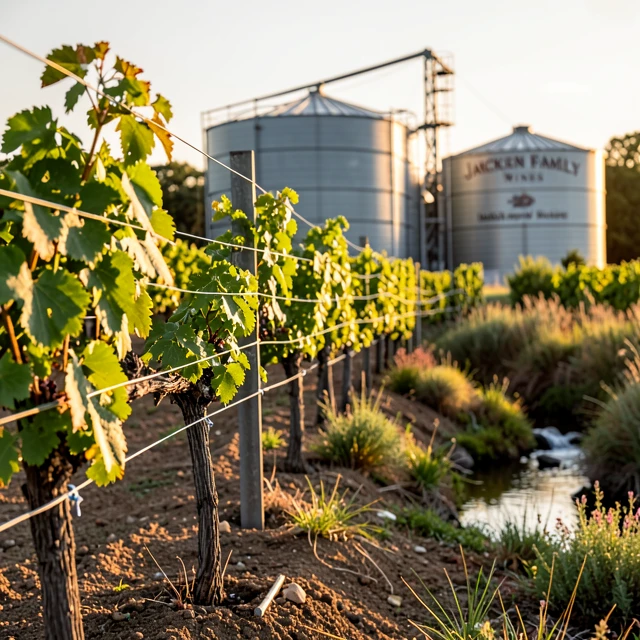
The USDA’s work on grape-growing sustainability supports many of these choices. Cover crops and no-till methods improve water infiltration and store carbon naturally. See USDA insights on sustainable grape production.
Jackson Family Wines also collaborates industry-wide. They co-founded the International Wineries for Climate Action and share water-saving technology with other producers. This teamwork lifts the entire wine sector.
Looking ahead, the company plans to expand regenerative farming, install more renewable energy, and deepen community ties. Their long-term goal of climate positivity by 2050 sets a high bar for others to follow.
If you enjoy wine from brands under the Jackson Family Wines umbrella, knowing the story behind the bottle adds real depth. Next time you open a Kendall-Jackson Chardonnay or a La Crema Pinot Noir, remember the solar panels, healthy soils, and saved water that helped create it.
Sustainability at Jackson Family Wines proves that caring for the land and community creates wines worth celebrating. The Rooted for Good program shows a clear, actionable path that other wine brands can learn from.
In the end, Jackson Family Wines delivers more than great bottles. They deliver hope for a healthier planet — one vineyard at a time.