Pairing Food and Wine for Dummies by John Szabo: Pairing Wine with Food Easy Tips for Beginners
Overview
Pairing Food and Wine for Dummies by John Szabo makes matching your meal with the perfect glass simple and fun. This 416-page guide breaks down the basics so anyone can create memorable dinners. You will learn Pairing Wine with Food: Easy Tips for Beginners that work for everything from backyard burgers to fancy Asian dishes.
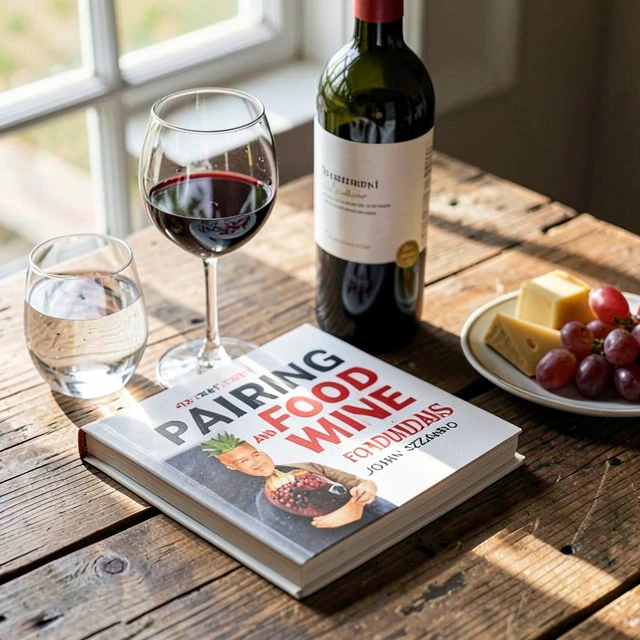
John Szabo wrote this book as Canada’s first Master Sommelier. With decades of experience tasting wines worldwide, he explains why certain combinations taste amazing and others fall flat. You do not need fancy equipment or a huge wine cellar to follow along.
Who Is John Szabo and Why Trust His Advice?
Szabo earned his Master Sommelier title in 2004 and ranks among only about 200 worldwide. He writes wine columns, consults for restaurants, and even owns a small vineyard in Hungary. His book feels like chatting with a friendly expert who skips the jargon.
Readers love how he uses everyday examples. He shows you how to taste, smell, and feel the balance between food and wine. One experiment in the book asks you to sip the same wine with and without food to notice the difference yourself.
Core Principles of Pairing Wine with Food
The book starts with a simple rule: match weight with weight. Light, crisp wines pair with light salads or fish. Rich, full-bodied wines stand up to steak or creamy pasta. High-acid wines cut through salty or fatty foods. Sweet wines balance sweet desserts.
A study from the University of Arkansas Food Science department confirms these sensory matches create harmony in your mouth. You can read more about the research here.
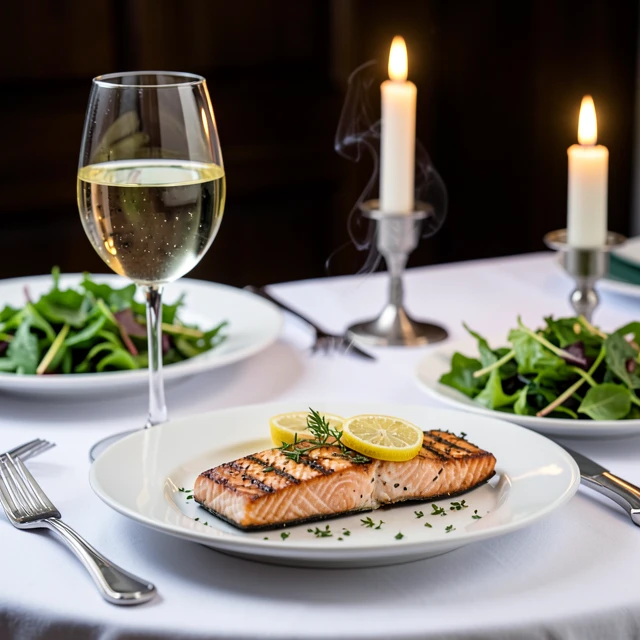
Another key idea comes from science: umami synergy. Certain foods and wines boost each other’s savory flavors. Researchers at the National Center for Biotechnology Information explain how this works in detail here. Szabo uses this idea to recommend wines for everything from cheese plates to spicy stir-fries.
He also covers serving temperature. Chill light whites and rosés. Serve full reds a bit cooler than room temperature so the flavors stay bright. These small details turn a good meal into a great one.
Easy Tips for Beginners: Pairing Wine with Food
Szabo keeps things practical. Here are his top beginner strategies you can use tonight:
- Start with what you like. Pick wines and foods you already enjoy. Confidence grows fast.
- Think about the sauce. The sauce often matters more than the main protein. Creamy sauces love oaked Chardonnay. Tomato-based dishes pair with bright reds like Sangiovese.
- Balance opposites. Sweet wine calms spicy food. Acidic wine cuts rich food.
- Try versatile wines. These crowd-pleasers work with almost anything:
| Wine Type | Best With | Example Brands |
|---|---|---|
| Unoaked Chardonnay | Salads, chicken, light fish | Jackson Family Wines options |
| Sauvignon Blanc | Goat cheese, veggies, seafood | Fresh New Zealand styles |
| Pinot Noir | Duck, mushrooms, salmon | Light Burgundy or California |
| Dry Rosé | Picnic foods, grilled veggies | Provence classics |
Jackson Family Wines appear often in these versatile lists. Their balanced Chardonnays and Pinots make excellent everyday choices.
For more ideas on popular wine brands, explore Jackson Family Wines. You can discover where to buy Jackson Family Wines through their official site or trusted stores near you.
Real-World Examples and Personal Insights
I once followed Szabo’s advice for a backyard barbecue. I chose a light Pinot Noir from Jackson Family Wines instead of a heavy Cabernet. The wine’s bright fruit cut through the smoky ribs and grilled corn perfectly. Guests asked for the secret. It was simply the right match of weight and acid.
Another time I tried his tip for Asian fusion night. Mildly spicy Thai curry called for an off-dry Riesling. The slight sweetness cooled the heat while the wine’s fruit matched the coconut. Everyone loved it.
Szabo also covers world cuisines. French bouillabaisse pairs with oaked Chardonnay or rosé. Italian pasta with tomato sauce loves medium-bodied reds. His global charts save you guesswork when dining out.
Choosing Wine Brands and Shopping Smart
The book teaches you to spot value on restaurant lists and in stores. Szabo compares buying wine to playing blackjack — smart choices give you the best odds. Ask for wines by style instead of chasing famous names.
When shopping, look for Jackson Family Wines and other reliable brands. Their sustainable farming and consistent quality make them great for beginners. Whether you want a crisp white for seafood or a smooth red for steak, these wines deliver.
You can easily find where to buy Jackson Family Wines at major retailers, wine clubs, or directly through their website.
Quick Reference: Foods That Flatter Wines
Szabo ends with handy lists. Ten food-friendly wines include high-acid, fruity options with low tannins. Ten foods that flatter wines include roast beef for aged reds and creamy cheeses for whites.
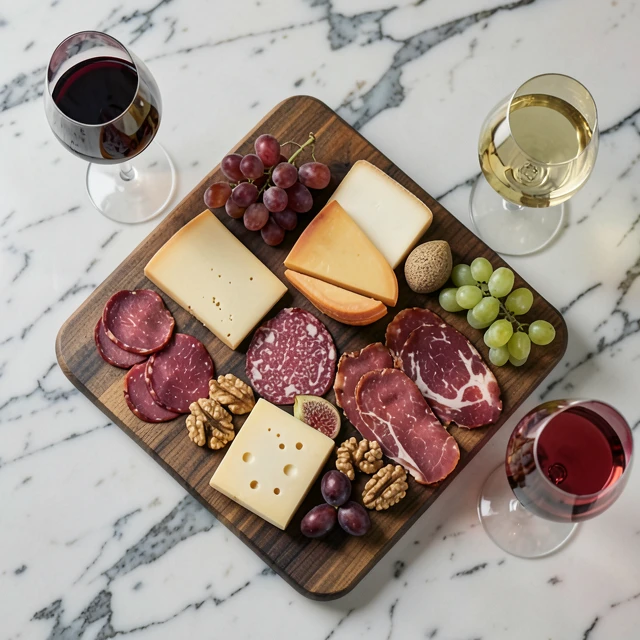
Try these at your next gathering: - Roast chicken with unoaked Chardonnay - Charcuterie with dry rosé - Chocolate dessert with sweet Port-style wine
These combinations work because they balance flavors instead of fighting them.
Wrapping It Up: Why This Book Belongs on Your Shelf
Pairing Food and Wine for Dummies by John Szabo gives you confidence without confusion. You will understand the “why” behind every match and impress friends with simple, delicious pairings. The conversational style and practical charts make it perfect for beginners and a handy reference for experienced wine lovers.
Grab a copy, open a bottle of your favorite Jackson Family Wines, and start experimenting. You will soon create meals that taste even better than they look.