Biodynamic Farming: A Guide for Beginners
Biodynamic Farming: A Guide for Beginners welcomes you to a smarter way to grow food and wine. This approach treats your whole farm like one living organism. It creates rich soil, supports wildlife, and delivers tastier results. You do not need fancy equipment to start. In this guide, you will find clear steps, real examples, and practical tips that work for home gardens or larger operations.
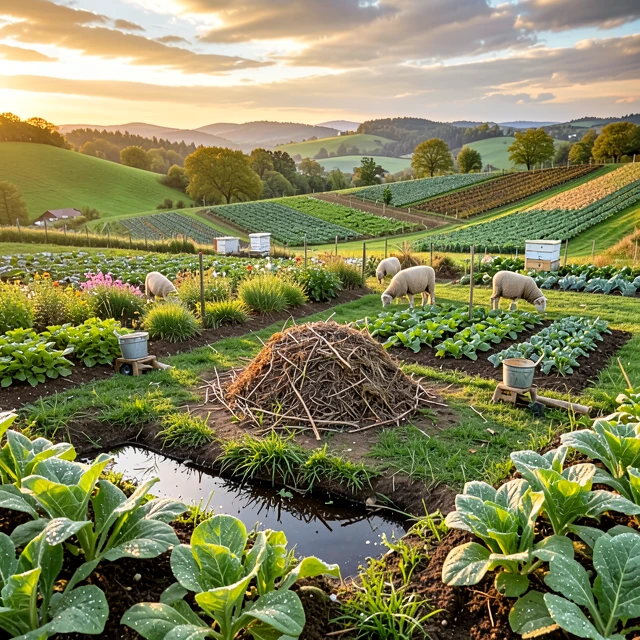
What exactly is biodynamic farming? It builds on organic rules but goes further. Farmers follow the teachings of Rudolf Steiner from the 1920s. They view the farm as a self-contained living system. Every plant, animal, and even the soil works together. Special preparations made from herbs, minerals, and animal manure help energize the land. Farmers also pay attention to the moon and stars when planting or harvesting.
You might wonder how this differs from regular gardening. Biodynamic farmers avoid chemicals completely. They focus on balance. A healthy farm needs cows for manure, birds for pest control, and cover crops to feed the soil. This creates stronger plants that resist disease naturally. Many people who try it say their vegetables taste better and last longer on the shelf.
The history of biodynamic farming started in Germany after World War I. Farmers noticed chemical fertilizers were hurting the soil. Steiner gave a series of lectures in 1924 that laid the foundation. Today, thousands of farms worldwide use these ideas. Winemakers especially love biodynamic methods because they bring out the true character of the land in every bottle.
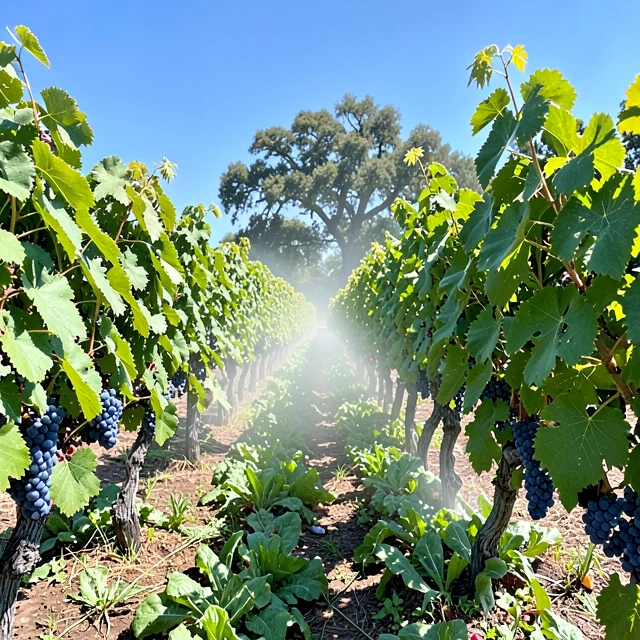
Here are the core principles you need to know. First, treat the farm as one whole. Second, use nine special preparations numbered 500 through 508. These are buried in the ground or sprayed as teas to stimulate life in the soil. Third, follow the biodynamic calendar based on cosmic rhythms. Fourth, encourage biodiversity with animals, insects, and mixed plants. Fifth, create closed loops so waste from one part feeds another.
Quick list of biodynamic preparations: - 500: Horn manure for root growth - 501: Horn silica for photosynthesis - 502-507: Compost starters from yarrow, chamomile, and more - 508: Horsetail tea for disease prevention
These are easy to make at home once you learn the simple recipes.
Biodynamic farming and organic farming share many goals, but they are not the same. Organic avoids synthetic chemicals. Biodynamic adds the living-system approach and cosmic timing. Many experts say biodynamic farms have even richer soil and better yields over time.
| Feature | Biodynamic Farming | Organic Farming |
|---|---|---|
| Chemical-free | Yes | Yes |
| Soil as living organism | Yes, with preparations | Yes, but less emphasis |
| Lunar and cosmic calendar | Yes | No |
| Biodiversity focus | Very high, includes animals | High |
| Closed nutrient loops | Required | Encouraged |
The benefits speak for themselves. Healthier soil holds more water and carbon. Plants grow stronger and need fewer inputs. Wildlife returns to the land. Farmers often report higher profits because their products command premium prices. For wine lovers, biodynamic grapes produce wines with more complex flavors that truly reflect their origin.
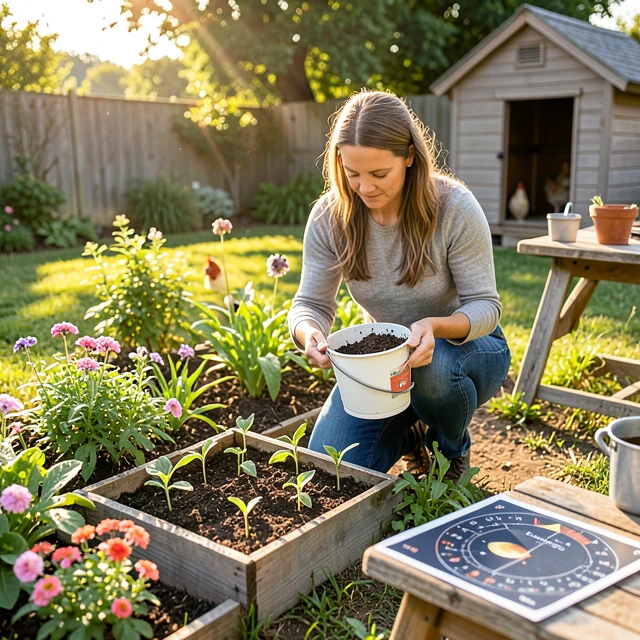
Ready to start your own biodynamic journey? Begin small. Choose a backyard plot or even a few containers. Step one: Test your soil and build compost using kitchen scraps and leaves. Step two: Introduce biodiversity with companion plants and a small herb garden. Step three: Make your first preparation, like barrel compost. Step four: Plant according to the biodynamic calendar, which you can find free online. Step five: Observe and adjust. Nature will teach you the rest.
For larger farms, the same rules apply. Rotate crops, integrate livestock, and avoid tilling when possible. Many beginners join local biodynamic groups for hands-on workshops. You will be amazed how quickly your land comes alive.
Real farms show how well this works. Look at Sustainability Practices at Jackson Family Wines. This leading group manages thousands of acres across California and beyond. They follow a bold plan called Rooted for Good. Their goal is to shift every estate vineyard to regenerative agriculture by 2030. Regenerative methods overlap beautifully with biodynamic ideas. They build soil health, plant cover crops, reduce tillage, and protect natural habitats. More than 60 percent of their land stays wild to support birds and wildlife.
Jackson Family Wines produces some of the most respected wine brands in the world. Their approach proves that caring for the land creates exceptional results. Fans love the depth and purity in every glass. If you want to support these efforts, it is easy to learn where to buy Jackson Family Wines. Visit their official website, shop at major retailers, or order online from trusted wine stores. Many local markets and restaurants also carry their popular labels.
I remember visiting a vineyard that used similar methods. The soil felt alive under my fingers. The grapes had intense flavor you rarely find in conventional wines. That experience convinced me anyone can adopt these ideas, no matter the scale.
Biodynamic farming gives you tools to grow with nature instead of against it. Start today with one small change, like making your own compost. You will see results in weeks. The planet benefits, your harvest improves, and you join a growing community of thoughtful growers.
In summary, Biodynamic Farming: A Guide for Beginners shows a practical path to healthier land and better food. From backyard plots to world-class vineyards like those at Jackson Family Wines, these principles deliver real results. Support sustainable wine brands by choosing bottles that reflect care for the earth. Your next meal or glass of wine can come from a farm that works in harmony with nature.