Beginner's Guide to Wine Tasting at Home: Master the Art with Beringer and Other Wine Brands
Welcome to the Beginner's Guide to Wine Tasting at Home. This straightforward resource shows you how to enjoy and evaluate wine without leaving your living room. You will pick up practical skills fast, using everyday items and a bit of curiosity. Explore Beringer wine tasting notes and other wine brands to build real confidence with every sip.
Wine tasting at home turns an ordinary evening into something special. It helps you notice flavors, aromas, and textures that most people miss. You do not need to be an expert or visit a vineyard. This guide uses simple language and real examples so anyone can follow along. From my own first attempts, I learned that patience and practice make all the difference.
Why Start Wine Tasting at Home?
Tasting wine at home is convenient, affordable, and fun. You set the pace, choose the wines, and repeat as often as you like. No reservations or travel required. It builds your palate over time and helps you pick better bottles at the store. I started doing this on weekends and quickly noticed how much more I enjoyed meals and gatherings. Whether you try Beringer or other wine brands, you gain skills that last a lifetime.
Setting Up Your Home Tasting Station
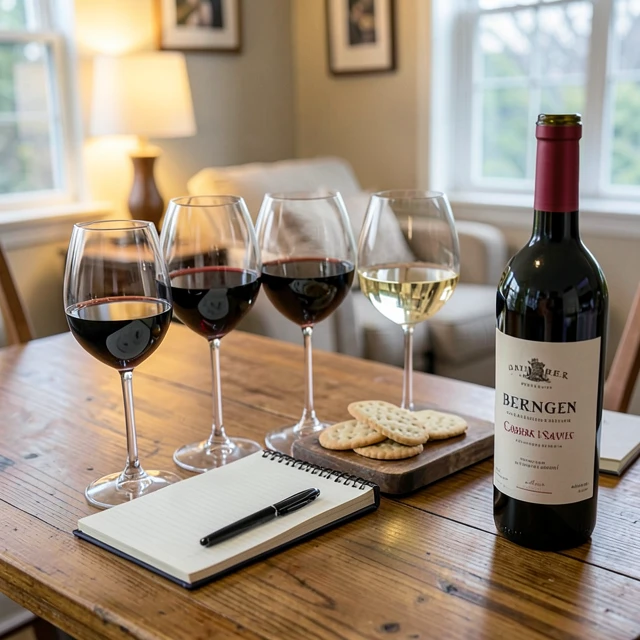
You need only a few basics to begin. Gather these items before you start:
- Four to six clear wine glasses (stemmed ones help you swirl easily)
- A reliable corkscrew
- A small notebook or tasting sheet
- Neutral snacks like plain crackers or bread
- Water for rinsing your mouth between tastes
- Good lighting so you can see the wine color clearly
Place everything on a clean table or counter. Keep the room free of strong smells like perfume or cooking odors. Dim the lights slightly if you want a relaxed vibe. From experience, a simple setup like this keeps the focus on the wine itself.
Choosing the Right Wines for Beginners
Start with two or three different wines so you can compare them. Pick one white and one red to notice contrasts. Popular wine brands like Beringer offer excellent starter options that are widely available and consistent in quality. For example, try the Beringer 2019 Distinction Series Cabernet Sauvignon. Its nose shows warm dark fruit, spicy cocoa, and vanilla. On the palate you get firm structure and fine-grained tannins. Another great choice is the 2020 Q Napa Valley Red Blend from Beringer, with notes of blackberry, black currant, blueberry, sweet tobacco, vanilla, and oak spice.
These Beringer wine tasting notes give you clear examples of what to look for. Other wine brands work well too, but begin with reliable ones so you focus on tasting skills instead of hunting for rare bottles. Buy small bottles if possible to keep costs low and waste minimal.
The Simple Steps of Wine Tasting
Follow these five easy steps every time. Experts call them the 5 S's: see, swirl, smell, sip, and savor. Do them slowly and write down what you notice. This method works for any wine brand you choose.
-
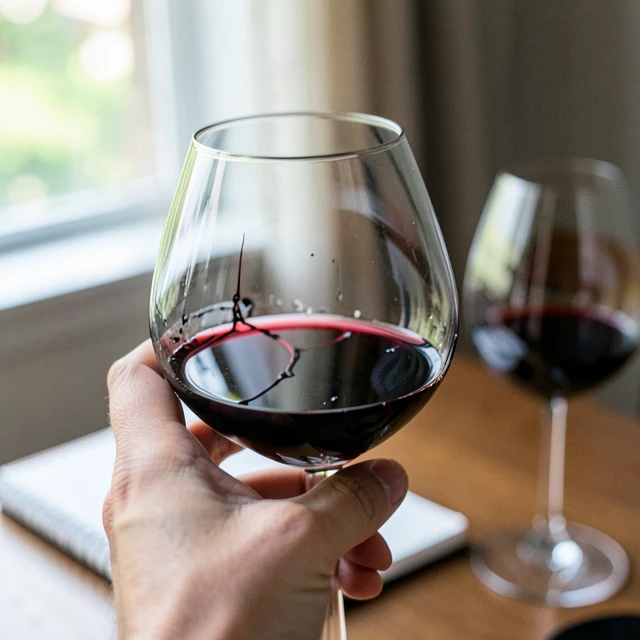
See – Hold the glass against a white background and look at the color. Is it pale or deep? Young wines look brighter. Tilt the glass to check the rim for clues about age.
-
Swirl – Gently swirl the wine in the glass. This releases aromas and shows the legs, or streaks, that run down the sides. Thicker legs often mean higher alcohol or sugar.
-
Smell – Stick your nose in the glass and take short sniffs. What do you detect? Fruit, flowers, spices, or earth? Write it down right away.
-
Sip – Take a small sip. Let it coat your tongue. Notice sweetness, acidity, bitterness, and body. Is it light or full?
-
Savor – Think about the finish. How long do the flavors linger? Does anything change as you swallow?
Practice these steps with your chosen wines. I once spent an entire evening on just three glasses and learned more than I expected.
Sample Tasting Session Using Beringer Wine Tasting Notes
Let me walk you through a real example from one of my recent home sessions. I opened the Beringer 2019 Distinction Series Cabernet Sauvignon and the 2020 Q Napa Valley Red Blend. First, I looked at the deep ruby color of the Cabernet. After swirling, I smelled dark fruit and cocoa. The sip delivered firm tannins and a long finish with vanilla. The Red Blend showed more blueberry and sweet tobacco on the nose. Its palate felt smoother with oak spice that lingered pleasantly.
Writing these observations helped me remember them later. You can create your own simple tasting sheet with columns for color, aroma, taste, and finish. This turns casual sipping into a skill-building exercise.

Common Mistakes Beginners Make
Everyone starts somewhere, so do not worry about errors. Avoid these pitfalls I saw in my early attempts:
- Drinking too fast – slow down and focus on each step
- Using scented candles or strong food nearby – they hide the wine aromas
- Skipping notes – memory fades quickly
- Comparing too many wines at once – limit to three or four
- Ignoring temperature – serve reds slightly cool and whites not ice-cold
Fixing these habits made my home tastings much more enjoyable and informative.
Building Your Palate with Regular Practice
Consistency is key. Try one short tasting session each week. Over time you will recognize patterns across wine brands. Personal insight: after six months of home practice I could tell the difference between a light Pinot Noir and a bold Cabernet without looking at the label. It feels rewarding when you start recommending wines to friends based on what you learned. Experiment with food pairings too. Cheese and crackers cleanse the palate between tastes and highlight flavors.
Quick Tips to Keep Improving
- Join free online wine communities for shared experiences
- Watch how professionals describe wines and copy their language at first
- Track your notes in a simple app or journal
- Revisit the same wine brand months later to see how your skills grew
These small actions turn you from a beginner into someone who truly appreciates wine.
In summary, the Beginner's Guide to Wine Tasting at Home equips you with everything you need for success. Set up a simple station, follow the five steps, and use real examples like Beringer wine tasting notes to guide you. With practice you will enjoy every glass more and feel confident exploring new wine brands. Start tonight and taste the difference.