Organic Wine 101: A Beginner’s Guide
Organic Wine 101: A Beginner’s Guide
If you love wine but worry about chemicals or want to support the environment, organic wine offers a refreshing choice. This guide explains what organic wine is, why it matters, and how California producers like Jackson Family Wines lead the way in sustainable practices. You will learn simple steps to start exploring organic options with confidence.
What Is Organic Wine?
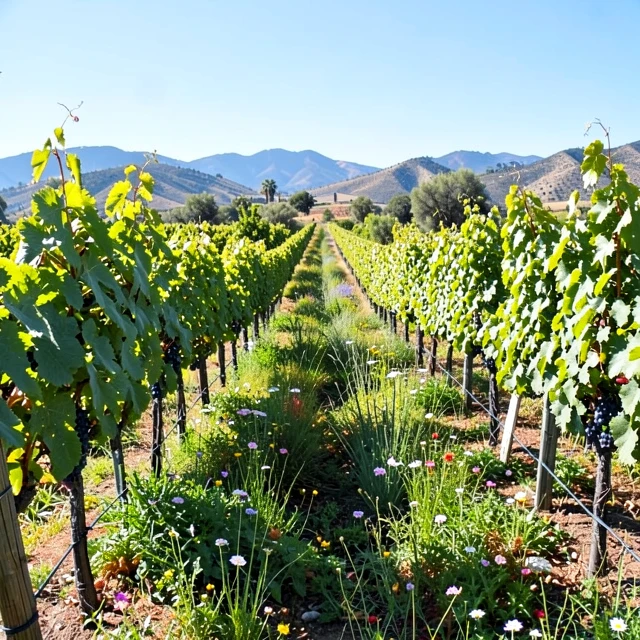
Organic wine starts with grapes grown without synthetic pesticides, herbicides, or fertilizers. Winemakers follow strict rules during both farming and winemaking. In the United States, the USDA sets these standards. The grapes and the final wine must meet certification requirements.
For a wine to carry the 'organic' label, producers cannot add sulfites during winemaking, though small amounts occur naturally. 'Made with organic grapes' allows some flexibility but still requires 100% organic grapes. These rules protect the soil, water, and wildlife while creating wines that reflect the land more purely.
Why Choose Organic Wine?
Many people pick organic wine for health and environmental reasons. Organic vineyards build healthier soil full of microbes and earthworms. This living soil helps vines resist disease naturally and often produces grapes with more vibrant flavors.
Studies suggest organic wines can contain higher levels of antioxidants like resveratrol. They usually have fewer additives and sometimes lower sugar. People sensitive to sulfites often report fewer headaches with organic options, though individual results vary. Beyond personal benefits, choosing organic supports farming that protects ecosystems for future generations.

The History of Wine Making in California
California wine has deep roots. Spanish missionaries planted the first vines in the late 1700s to make sacramental wine. The Mission grape became common until European varieties arrived in the 1800s.
The Gold Rush brought more settlers and demand. By the mid-1800s, commercial wineries appeared in areas like Los Angeles and later Napa and Sonoma. Prohibition in the 1920s hurt the industry, but it rebounded strongly after repeal. California now produces the vast majority of American wine and competes with the best regions worldwide.
Today, the state stands out for innovation in both quality and sustainability.
Sustainable Wine: How California Leads the Way
California leads in sustainable wine because of its progressive farmers and strict environmental rules. Many vineyards use cover crops, compost, and natural pest control instead of chemicals.
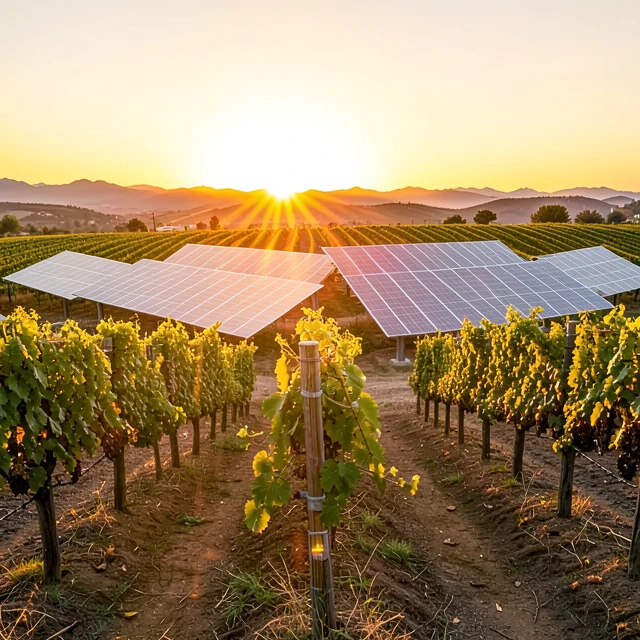
Water conservation matters in this drought-prone state. Wineries recycle water and monitor usage carefully. Solar power and renewable energy reduce the carbon footprint. These practices improve wine quality while protecting the land.
Jackson Family Wines stands as a strong example. They aim for 100% regenerative farming in their estate vineyards by 2030. Regenerative methods build soil health, increase biodiversity, and capture carbon naturally. The company already powers a large part of operations with onsite solar—the most of any U.S. winery—and sources much of its fruit from certified sustainable growers.
How Jackson Family Wines Became a Global Brand
Jackson Family Wines started in 1982 when Jess Jackson bought an orchard in California and planted vines. He released the first Kendall-Jackson Vintner’s Reserve Chardonnay in 1982, which became a huge success for its balanced, approachable style.
The family focused on quality farming and expanded thoughtfully. They acquired or built wineries in California and then moved internationally to Chile, Italy, Australia, France, Oregon, and South Africa. Today, Jackson Family Wines includes over 40 wineries across several continents while staying family-owned.
Their success comes from respecting the land and letting each winery keep its unique character. Sustainability sits at the core. Through their 'Rooted for Good' plan, they target big goals in climate action, water management, and community support. They have already seen millions in savings from these efforts, proving that caring for the planet can also make good business sense.
How to Get Started with Organic Wine
Begin by checking labels for USDA Organic or similar certifications from trusted bodies. Many stores now carry organic sections. Start with popular varieties like Chardonnay, Cabernet Sauvignon, or Pinot Noir from California producers.
Taste mindfully. Organic wines often show brighter fruit and more terroir—the unique sense of place. Pair them with simple foods to let the flavors shine.
Here are quick tips: - Look for certifications on the bottle - Ask your local wine shop for recommendations - Try wines from sustainable leaders like those in the Jackson Family portfolio - Store bottles properly to enjoy them at their best
Consider keeping a simple tasting notebook to track what you like.
Common Questions About Organic Wine
Is organic wine always better? It depends on what you value—fewer chemicals, environmental impact, or specific flavors. Many excellent conventional wines exist, but organic options grow in quality every year.
Does it taste different? Often yes. Fans describe organic wines as more alive and expressive because the grapes reflect the healthy vineyard ecosystem.
Is it more expensive? Prices vary widely. You can find great everyday organic bottles at reasonable costs, especially as demand increases.
In Summary
Organic Wine 101 shows that better choices exist for wine lovers who care about health and the planet. California continues to pioneer sustainable wine through innovative producers. Jackson Family Wines demonstrates how a family business can grow globally while staying true to the land.
Next time you shop for wine, consider reaching for an organic bottle. You support healthier soils, cleaner water, and vibrant ecosystems—one glass at a time.