Waste Reduction Strategies in Winemaking: Lessons from Jackson Family Wines' Sustainable Legacy
Overview
Winemaking creates delicious bottles but also generates significant waste. From grape pomace to wastewater, every winery faces the challenge of managing leftovers responsibly. Waste reduction strategies in winemaking help turn these byproducts into resources while cutting costs and protecting the planet. Jackson Family Wines stands out as a leader, showing how sustainable practices in the wine industry create real results. In this guide, you will find actionable steps, real-world examples, and insights you can apply right away.
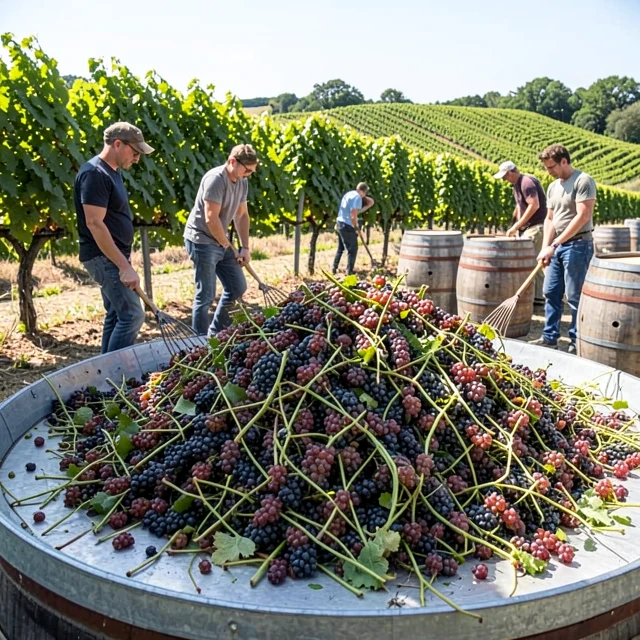
Wineries produce about 20 to 30 percent of their grape weight as solid waste known as pomace. This mix of skins seeds and stems adds up fast. Globally the wine industry creates millions of tons of this material each year. Without smart management it can end up in landfills where it releases methane. But forward-thinking wineries now see pomace as a goldmine for new products and soil health.
Wastewater is another big issue. Cleaning tanks barrels and equipment uses huge amounts of water. In many regions water scarcity makes every drop precious. The good news is that simple changes like high-pressure nozzles timers on hoses and dry-cleaning methods can cut water use by 30 percent or more. These steps form the foundation of effective waste reduction strategies in winemaking.
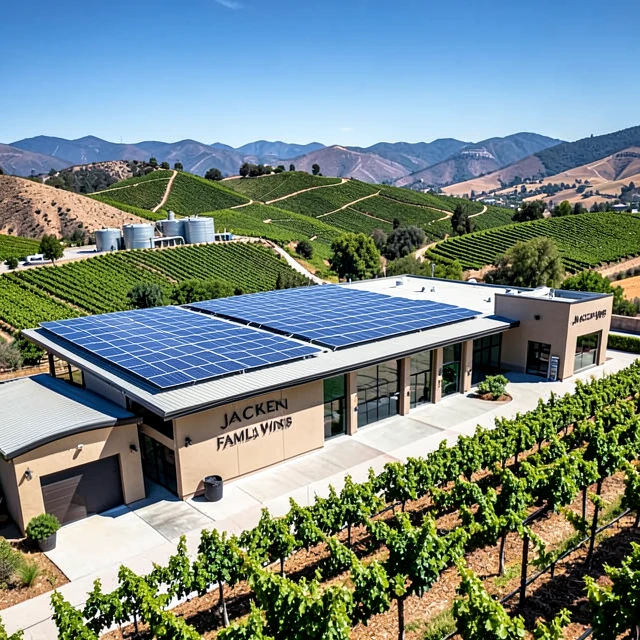
Jackson Family Wines has turned sustainability into a core part of their business. Their Rooted for Good roadmap sets bold targets including cutting carbon emissions in half by 2030 and reaching climate positive status by 2050 without buying offsets. They have already reduced winery water use intensity by 43 percent since 2015 saving more than 28 million gallons annually. Their efforts prove that sustainable practices in the wine industry deliver both environmental wins and strong business returns.
One of the most effective ways to handle pomace is composting. Wineries mix it with other organic materials and let microbes break it down into rich fertilizer. This returns nutrients to the vineyard soil improving structure and water retention. Some producers go further by extracting antioxidants from the skins and seeds for use in cosmetics supplements and even functional foods. These high-value applications create new revenue streams while keeping waste out of landfills.
Animal feed offers another smart option. Researchers at UC Davis have shown that adding grape pomace to dairy cattle diets can reduce methane emissions from cows without hurting milk production. This approach turns winery waste into a tool for fighting climate change on farms. Many California wineries already partner with local ranchers making it a win-win solution.
Biogas production through anaerobic digestion is gaining popularity too. Sealed tanks break down pomace and other organics to create renewable energy. The leftover digestate works as a liquid fertilizer. This closed-loop system powers winery operations and reduces reliance on fossil fuels. Jackson Family Wines has embraced similar renewable energy projects including the largest solar array in the U.S. wine industry.
| Waste Type | Common Reduction Strategies | Benefits |
|---|---|---|
| Grape Pomace | Composting upcycling to food products animal feed biogas | Soil health new revenue lower landfill use |
| Wastewater | Recycling for irrigation waterless sanitation high-pressure cleaning | Water savings cost reduction cleaner waterways |
| Packaging Materials | Lightweight bottles recycled pallets | Reduced emissions lower shipping costs |
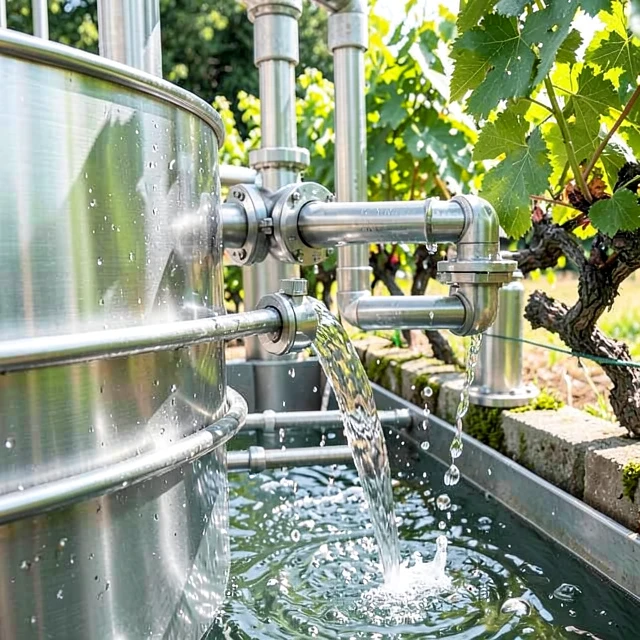
Water management deserves special attention. Jackson Family Wines redesigned their barrel-washing process to reuse the same water multiple times cutting usage by two-thirds. They also installed real-time metering systems and switched to air-cooled refrigeration and UV tank sanitation. These practical steps show how waste reduction strategies in winemaking can save money while protecting local watersheds.
In my visits to wineries across California I have seen how these changes create a real difference. One small producer I spoke with cut their waste hauling fees in half simply by separating pomace early and starting an on-site compost program. Their vines look healthier and customers love hearing the story behind the bottle. Jackson Family Wines wine reviews often praise not just the taste but the care that goes into every step from vineyard to glass.
Consumers play a role too. When you choose wines from leaders like Jackson Family Wines you support sustainable practices in the wine industry. Many fans discover these brands through Jackson Family Wines wine reviews and stay for the quality and ethics. Lightweight bottles and recycled packaging also reduce the carbon footprint of every shipment making your purchase even greener.
Getting started is easier than you think. Begin with a waste audit to track what you generate and where it goes. Train your team on dry-cleaning techniques and install simple tools like squeegees and timers. Partner with local farms or universities for composting and feed trials. Track your progress with simple metrics like water use per gallon of wine produced. These small steps add up to big results over time.
For more technical guidance check the Rutgers University best management practices manual for winery wastewater. It offers detailed low-cost ideas that any size operation can use. Another excellent resource is the RIT sustainable winemaking fact sheet which covers everything from energy savings to solid waste handling.
Summary
Waste reduction strategies in winemaking are no longer optional they are essential for long-term success. By composting pomace recycling water and embracing renewable energy wineries like Jackson Family Wines show what is possible. Their legacy of sustainability proves that doing the right thing for the planet also builds stronger businesses and better wines. Start small stay consistent and watch your operation thrive while helping the environment.