Organic Wine Certification Process - An Overview by the USDA
Organic wine offers a cleaner choice for wine lovers who care about health and the planet. The Organic Wine Certification Process - An Overview by the USDA explains exactly how grapes become certified organic wine. This guide walks you through the rules, steps, and real-world impact in simple terms.
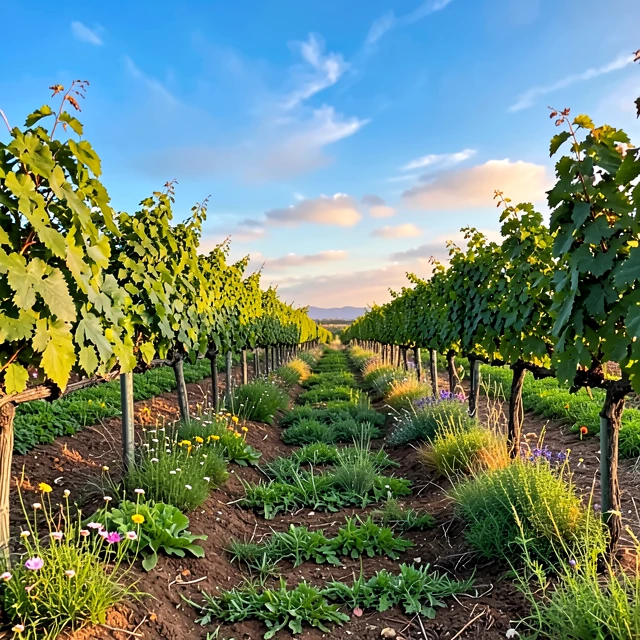
I remember my first sip of a truly organic wine. The flavors felt brighter and more alive. That experience sparked my curiosity about what goes into making wine this way. The USDA sets clear standards so you know exactly what you are drinking.
What Makes Wine Organic According to the USDA?
The USDA National Organic Program (NOP) oversees the entire Organic Wine Certification Process. Both the vineyard and the winery must meet strict rules. Grapes must grow without synthetic fertilizers, pesticides, or genetically engineered seeds. The winemaking process follows similar guidelines.
For a wine to carry the 'Organic' label:
- 100% of the grapes and other agricultural ingredients must come from certified organic sources (with limited exceptions from the National List).
- No added sulfites are allowed — only naturally occurring sulfites under 10 parts per million.
- The final product can display the USDA organic seal.
- The label must name the certifying agent.
A second category, 'Made with Organic Grapes,' allows up to 100 ppm of added sulfites and requires 100% organic grapes but does not permit the full USDA seal on the main label.
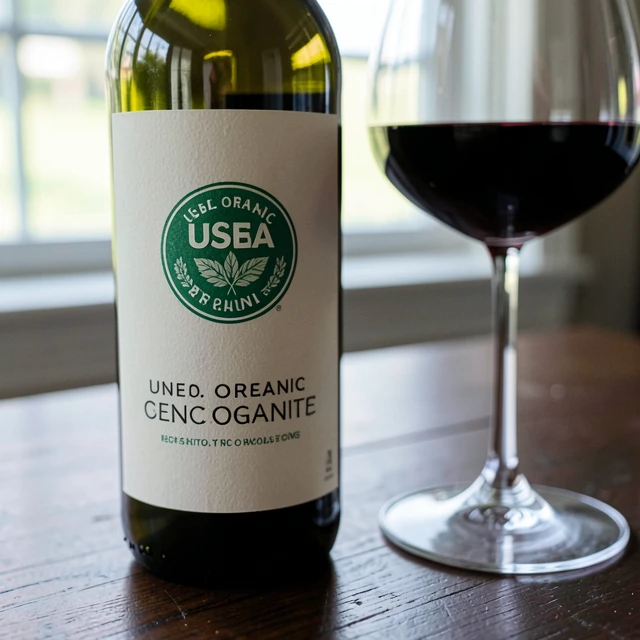
These rules ensure transparency. You can trust the seal because independent certifying agents inspect operations regularly.
The Step-by-Step Organic Wine Certification Process
Getting certified takes time and commitment, usually 1-3 years depending on the land history. Here is how it works:
-
Develop an Organic System Plan (OSP): Farmers and winemakers create a detailed document outlining every practice — from soil management to pest control and record-keeping.
-
Choose an Accredited Certifying Agent: USDA approves third-party organizations to review plans and conduct inspections.
-
Undergo Inspection: Agents visit the vineyard and winery to verify compliance. They check records, soil, equipment, and practices.
-
Address Any Issues: If problems appear, operators fix them and may need follow-up visits.
-
Receive Certification: Once approved, the operation can label products as organic and must maintain annual inspections.
Vineyards focus on building healthy soil through cover crops, composting, and natural pest management. Wineries use approved cleaning agents and limit additives.
Jackson Family Wines provides a strong example. This respected producer has achieved organic certification for its Napa Valley estate vineyards. Their commitment shows how large operations can embrace these standards while producing high-quality wines.
Exploring Organic Wine Benefits
Many people choose organic wine for personal health reasons. Without synthetic residues, the wine may cause fewer headaches or sensitivities for some drinkers. Studies suggest organic practices can lead to wines with more complex flavors.
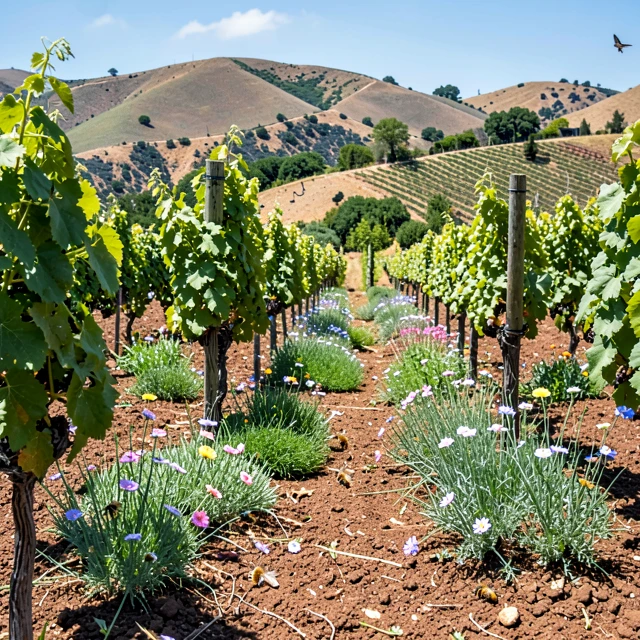
From an environmental view, organic vineyards support biodiversity. They avoid chemicals that harm beneficial insects, birds, and soil life. Healthier soil holds water better and sequesters carbon.
Research from the University of California highlights that expert wine tasters often rate organic and biodynamic wines higher in quality. The careful farming seems to translate into better-tasting results.
Why Organic Vineyards Matter: A Deep Dive
Organic vineyards matter because they protect the land for future generations. Conventional farming can degrade soil over time. Organic methods rebuild it.
Key practices include: - Using compost and cover crops instead of synthetic fertilizers. - Relying on natural predators for pest control. - Conserving water through better soil structure. - Avoiding genetically modified organisms.
Jackson Family Wines demonstrates this commitment. They aim to transition all estate vineyards to regenerative agriculture by 2030, building on their organic progress. Their efforts combine quality wine production with land stewardship.
When you support organic wines, you encourage more growers to adopt these practices. Over time, this creates positive change across wine regions.
Common Challenges and Actionable Insights
Certification costs money and requires detailed paperwork. Smaller producers sometimes follow organic methods without full certification due to expense. Look for trusted certifiers or direct conversations with winemakers if you want to learn more.
As a consumer, you can: - Check labels for the USDA organic seal or 'Made with Organic Grapes.' - Support wineries that share their farming stories. - Try wines from producers like Jackson Family Wines who invest in these methods.
For those interested in deeper technical details on USDA rules, explore the National Organic Program resources from the USDA Agricultural Marketing Service. Another excellent reference is the USDA blog post on Organic 101: Organic Wine, which breaks down the basics clearly.
Academic insights on quality differences appear in research from UCLA Anderson School of Management on eco-friendly wines.
Summary
The Organic Wine Certification Process - An Overview by the USDA protects consumers and the environment. From healthy vineyards to careful winemaking, every step counts. Producers like Jackson Family Wines show it is possible to scale these practices successfully.
Choosing organic wine lets you enjoy great flavors while supporting better farming. Next time you shop, look closer at the labels — your choice makes a difference.