Exploring Regenerative Agriculture in Wine: A Path to Sustainable Viticulture
Exploring Regenerative Agriculture in Wine - /blog/regenerative-wine-farming is more than a buzzword in the wine world. It represents a powerful shift toward farming that works with nature instead of against it. In this article, we explore how vineyards are rebuilding soil, supporting wildlife, and producing better wines—all while fighting climate change.
Regenerative agriculture in wine focuses on restoring the land. Unlike traditional methods that can wear out soil over time, this approach builds it up. Farmers use cover crops, reduce tillage, add compost, and even bring in animals. The result? Healthier vines, richer flavors in your glass, and a stronger ecosystem.
Think about it: healthy soil holds more water during droughts and resists erosion in heavy rains. It also pulls carbon from the air, helping cool the planet. Wine lovers and environmentalists alike are taking notice.
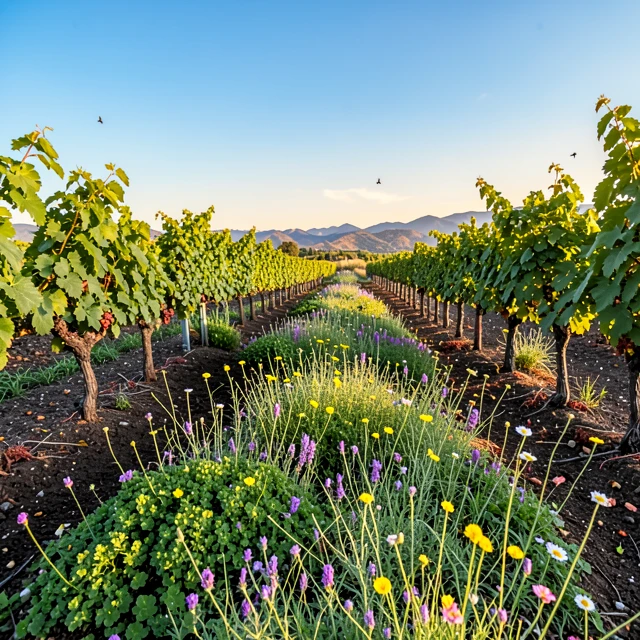
One key piece is The Role of Biodiversity in Sustainable Viticulture. Biodiversity means life in all its forms—plants, insects, birds, microbes, and animals. In a regenerative vineyard, this mix creates balance. Beneficial insects eat pests naturally. Birds and bats keep populations in check. Diverse roots improve soil structure.
Farmers plant multiple cover crops instead of just one. They leave some areas wild for habitat. These steps reduce the need for chemicals. Studies show that higher biodiversity leads to stronger vines and fewer diseases.
According to Michigan State University Extension's guide on building climate resilience in vineyards, practices like diversified plantings and rotational grazing boost microbial life in the soil. This creates a living web that stores carbon and fights drought.
I once walked through a regenerative vineyard after rain. The soil felt soft and alive under my boots—no hard crust or bare patches. Birds sang overhead, and the air smelled fresh. That moment showed me why this matters.
The Impact of Eco-Friendly Vineyards stretches far beyond the vines. These farms cut pollution, save water, and support local wildlife. They also produce grapes with more complex flavors because stressed vines in poor soil can't deliver the same quality.
Eco-friendly methods lower costs over time too. Less fuel for tractors. Fewer sprays. Healthier land means steadier yields even in tough weather. Winemakers report better wines that reflect the unique place where they grew.
Now let's look inside one leader's story. Jackson Family Wines: Inside Their Sustainability Journey offers a clear example of real change. This family-owned company manages thousands of acres across California and beyond.
Sustainable practices at Jackson Family Wines include a bold goal: transition 100 percent of their estate vineyards to regenerative farming by 2030. They call it part of their Rooted for Good plan.
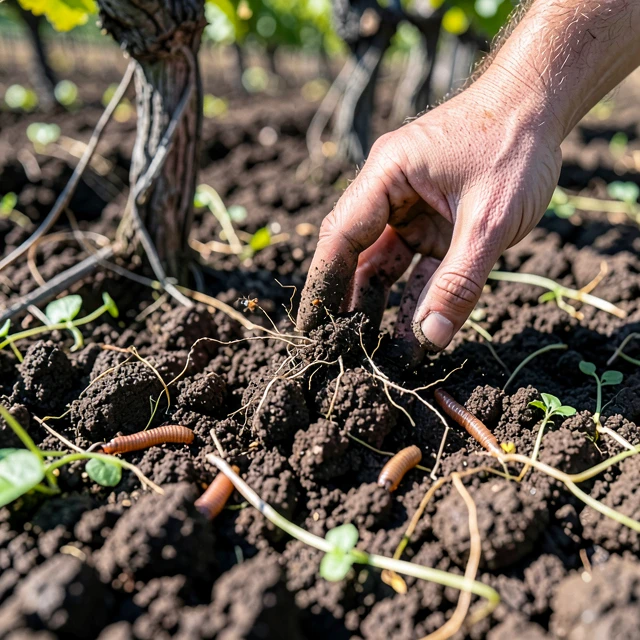
What does that look like on the ground? They spread carbon-rich compost, cut back on tillage, plant a mix of cover crops, and invite livestock to graze between rows. More than 60 percent of their land stays in its natural state—forests, grasslands, and wetlands that protect water and wildlife.
These steps rebuild soil health, restore water balance, and increase biodiversity both above and below ground. The company says regenerative farming helps capture carbon and makes vines more resilient.
A University of California study on the profitability of regenerative viticulture looked at Sonoma County vineyards using no-till, compost, and livestock. It found these methods deliver similar profits to conventional farming over 30 years when yields stay steady.
From my perspective, visiting estates like this changes how you see wine. You taste the care in every sip. The land feels alive, and the people working it speak with genuine pride.
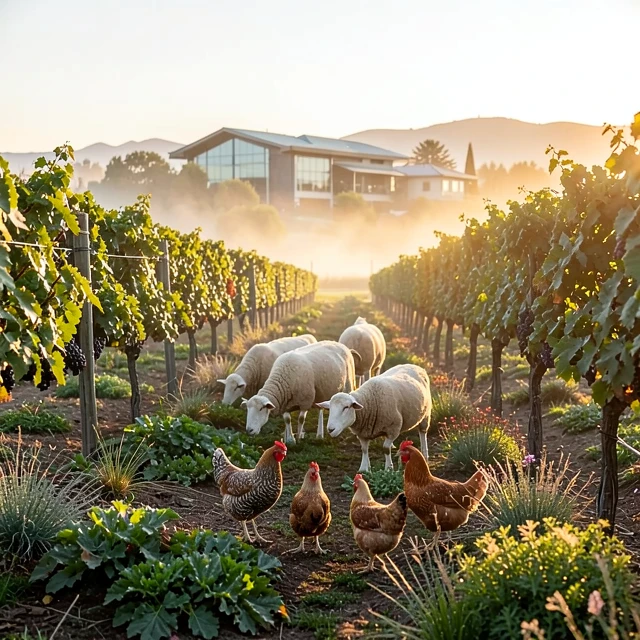
Here are practical steps any vineyard can try:
- Plant diverse cover crops like legumes, grasses, and wildflowers to build soil and attract pollinators.
- Reduce or stop tillage to protect fungal networks and earthworms.
- Apply compost regularly to feed microbes and store carbon.
- Integrate sheep or chickens for natural weed control and fertilizer.
- Leave buffer zones of native plants to boost biodiversity.
These changes take time but pay off. Start small on one block of vines and watch the results.
Regenerative wine farming also opens doors for new income. Some wineries sell carbon credits or earn eco-certifications that attract customers who care about the planet.
In the end, Exploring Regenerative Agriculture in Wine - /blog/regenerative-wine-farming shows us a hopeful future. Vineyards become part of the solution instead of the problem. Soil gets healthier. Wildlife returns. And the wines taste even better.
The shift is happening now. Forward-thinking producers like Jackson Family Wines prove it works. By choosing regenerative wines, we all support land that will thrive for generations.
Regenerative agriculture is not perfect or easy, but it delivers real results. It invites us to farm smarter, drink better, and leave the earth richer than we found it.