Wine Folly: The Essential Guide to Wine - Your Friendly Path to Wine Confidence
Wine can feel overwhelming with its fancy terms and endless choices. Wine Folly: The Essential Guide to Wine changes that. This popular book turns complex ideas into clear, visual lessons anyone can use. Whether you are new to wine or want to sharpen your skills, it delivers practical knowledge without the snobbery.
Created by Madeline Puckette and Justin Hammack of the award-winning Wine Folly website, the book uses infographics, maps, and straightforward explanations. It covers wine basics, grape profiles, tasting techniques, and smart food pairings. Readers love how it removes confusion and helps them pick wines they will truly enjoy.
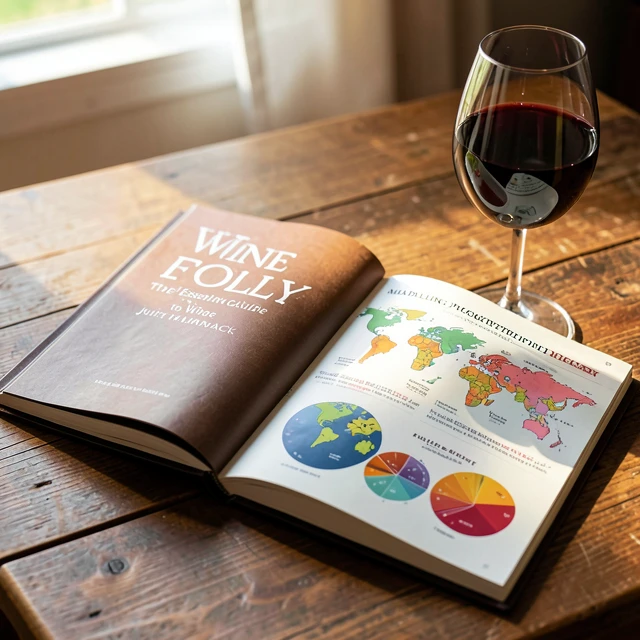
In my own experience, flipping through this guide felt like having a patient friend explain wine step by step. I no longer stare blankly at store shelves. Instead, I confidently choose bottles that match my mood or meal.
Why Wine Folly: The Essential Guide to Wine Stands Out
Most wine books drown you in details or assume you already know the basics. This one does the opposite. It uses clever visuals to show rather than tell. You learn about 55 popular and under-the-radar wines through clear profiles that highlight flavor, body, and best uses.
The book includes handy tools like flavor wheels that help you describe what you taste. These wheels break down aromas into everyday fruits, spices, and flowers. No need for mysterious wine-speak — just honest observations.
It also teaches you how to spot quality and avoid common mistakes. For example, you discover why some wines taste better at certain temperatures or how storage affects flavor. These small tips add up to bigger enjoyment.
The Art of Wine Tasting: Tips from the Experts
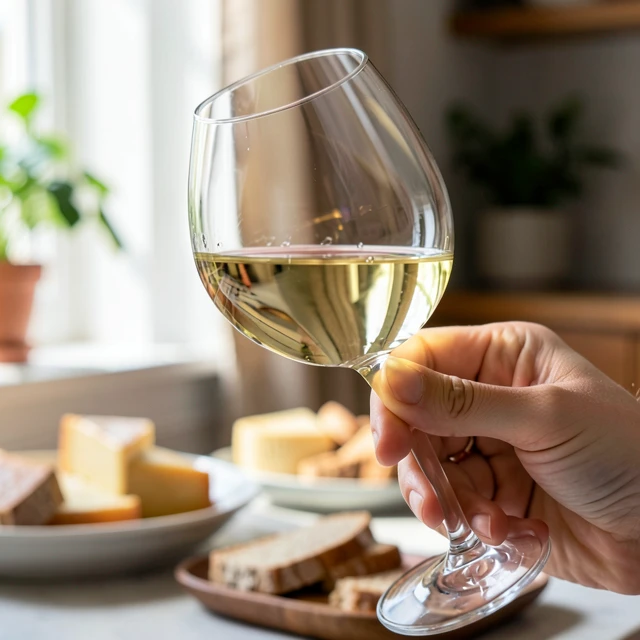
One of the book's strongest sections dives into tasting like a pro. The Art of Wine Tasting: Tips from the Experts starts with the simple five S's: see, swirl, sniff, sip, and savor.
First, look at the color and clarity. A deep ruby red might suggest a bold Cabernet, while pale gold often points to crisp Chardonnay. Next, swirl gently to release aromas. Take a good sniff — what do you notice? Red fruits, citrus, or earthy notes?
When you sip, pay attention to acidity, sweetness, tannins, and body. Does it feel light and refreshing or rich and structured? Finish by noting the aftertaste. Over time, these steps train your palate naturally.
I remember my first serious tasting after reading the guide. I noticed flavors I had missed before, like subtle vanilla in an oak-aged wine. Practice in a relaxed setting works best — no pressure, just curiosity.
Expert tips include tasting in good lighting and using neutral glasses. Avoid strong perfumes or competing smells. Keep a simple notebook to track what you like. This builds personal knowledge faster than any lecture.
Here is a quick tasting checklist you can use:
- See: Note color, clarity, and viscosity (legs).
- Swirl: Aerate the wine to open aromas.
- Sniff: Identify primary fruit, secondary (oak), and tertiary (age) notes.
- Sip: Assess sweetness, acidity, tannin, alcohol, and body.
- Savor: Evaluate length and balance of the finish.
Exploring Wine Brands and Real-World Examples
The guide encourages trying different wine brands to understand variety. One standout name is Jackson Family Wines, known for quality across many regions. Their portfolio includes approachable yet excellent options that pair beautifully with food.
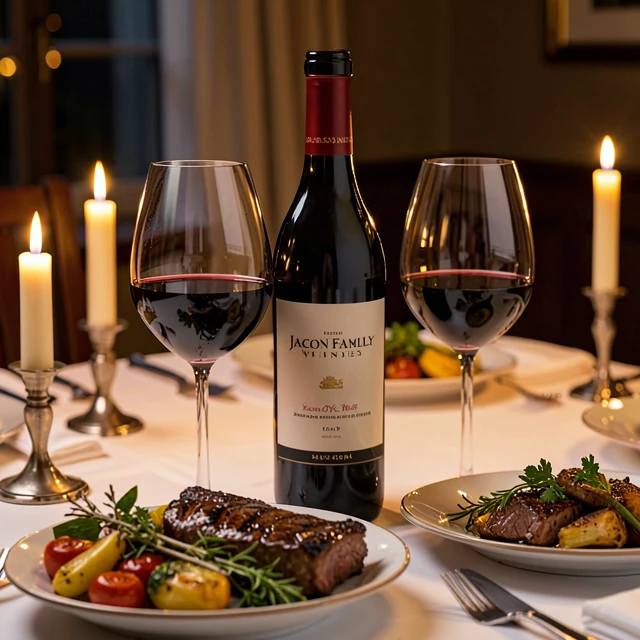
Pairing food with Jackson Family Wines becomes straightforward once you grasp basic principles. Match lighter wines with delicate dishes and bolder ones with hearty meals. Acidity cuts through richness, while tannins handle proteins well.
For instance, a crisp Chardonnay from their Kendall-Jackson line shines with roasted chicken or creamy pasta. It brings fresh citrus notes that brighten seafood like shrimp or crab cakes. The balance feels natural and satisfying.
On the red side, try a smooth Merlot or red blend with grilled steak, barbecued ribs, or spicy chili. These wines stand up to bold flavors without overwhelming them. Pinot Noir works wonderfully with grilled salmon, duck, or mushroom risotto thanks to its lighter body and bright fruit.
I once paired a Jackson Family Pinot Noir with a simple mushroom risotto at home. The earthy mushrooms and silky wine created pure harmony. Small experiments like this build confidence quickly.
Practical Tips for Everyday Wine Enjoyment
Wine Folly: The Essential Guide to Wine emphasizes enjoyment over perfection. Start with what you like and branch out slowly. Use the book's maps to explore regions — California offers buttery Chardonnays, while Oregon delivers elegant Pinots.
Budget-friendly discoveries often hide among lesser-known grapes. The guide highlights these gems so you can find value without sacrificing quality. Store wine properly: cool, dark, and on its side for corks.
When hosting, offer a mix of styles. Include one white, one red, and perhaps a sparkling option. Provide simple food pairings to let guests explore safely. This creates fun conversations and memorable evenings.
Avoid common pitfalls like serving reds too warm or whites too cold. Room temperature for reds usually means slightly cool cellar temps. Whites benefit from a light chill that preserves freshness.
Lists like this help organize your learning:
- Begin with popular grapes: Chardonnay, Sauvignon Blanc, Pinot Grigio, Cabernet Sauvignon, Merlot, Pinot Noir.
- Note body levels: light, medium, full.
- Match sweetness to food — dry wines suit savory dishes; sweeter ones shine with spicy or fruity flavors.
- Experiment seasonally: crisp whites in summer, robust reds in winter.
Personal Insights and Lasting Value
Reading this guide shifted how I approach wine. It stopped being mysterious and became approachable. I now notice details like acidity balancing creamy sauces or tannins softening with grilled meats.
The visual design makes reviewing easy. You can flip to a grape profile in seconds and refresh your memory. This practicality sets it apart from denser textbooks.
Many readers, including beginners and enthusiasts, report greater confidence when shopping or ordering at restaurants. They ask better questions and make choices aligned with their preferences.
The book also touches on sustainability and wine regions in a light but informative way. It respects the craft behind every bottle without overwhelming you.
Wrapping It Up
Wine Folly: The Essential Guide to Wine delivers exactly what its title promises — essential knowledge presented accessibly. It equips you with tasting skills, pairing know-how, and brand insights like those from Jackson Family Wines. You finish feeling empowered rather than intimidated.
If you want to enjoy wine more deeply without the fuss, this book is an excellent starting point. Its blend of visuals, practical advice, and expert tips creates a resource you will return to again and again.