Sustainable Winemaking Practices at Jackson Family Wines: Rooted for Good and Leading the Industry
Sustainable Winemaking Practices - Jackson Family Wines are setting new standards in the industry. Jackson Family Wines has built a reputation not just for premium wines but for doing it responsibly. Their Rooted for Good: Roadmap to 2030 plan shows a clear commitment to cutting carbon emissions in half by 2030 and becoming climate positive by 2050—all without buying carbon offsets.
This family-owned company owns some of the most respected estates in California and Oregon. What makes them stand out is how they blend tradition with forward-thinking sustainability. I’ve tasted their wines at events and walked their vineyards, and the difference is real: healthier soil leads to more vibrant grapes and complex flavors.
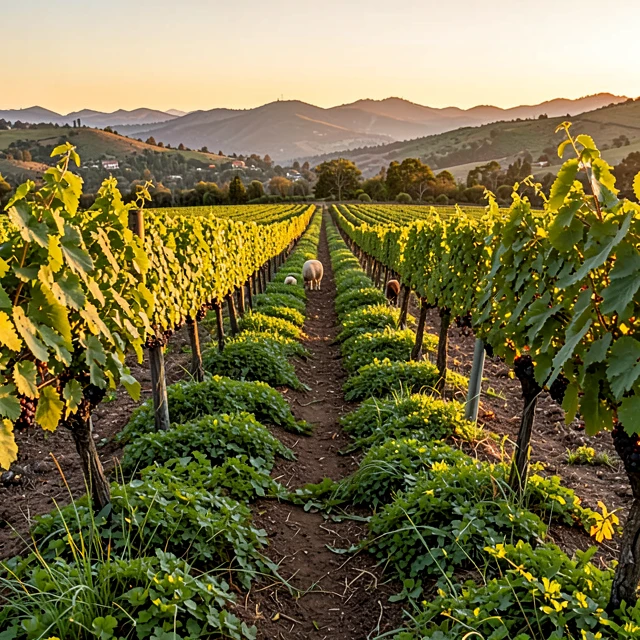
At the heart of their sustainable winemaking practices - Jackson Family Wines is regenerative farming. By 2030, they plan to transition 100% of their estate vineyards to these methods. This means no-till farming, planting diverse cover crops, composting, and using livestock like sheep for natural weed control. These steps build soil health, increase biodiversity, and even help capture carbon from the air.
Regenerative practices go beyond organic. They restore ecosystems. Jackson Family Wines already has all estate vineyards and wineries third-party certified under programs like California Sustainable Winegrowing, Sustainability in Practice, or LIVE. They also source 85% of grower fruit from certified sustainable vineyards. It’s a full-circle approach that supports local farmers too.
Water stewardship is another pillar. Since 2015, they’ve cut water use intensity by 43% in wineries and saved over 28 million gallons annually through recycling, rainwater capture, and smart irrigation. Their goal is to further reduce water intensity by 33% while protecting watersheds and recharging aquifers. In a changing climate, every drop counts.

Energy is where Jackson Family Wines really shines. They’ve installed more on-site solar than any other winery in the United States. Today, renewable energy powers more than 30% of their winemaking operations, with a target of 50%. Onsite storage and efficiency upgrades help them reduce greenhouse gas emissions 25% per gallon from 2015 levels.
These efforts tie directly into what consumers see every day. When you pick up a bottle, Understanding Wine Labels: What to Look For becomes easier. Look for third-party certifications like CCSW, SIP Certified, or LIVE on the back label. These badges signal Jackson Family Wines’ sustainable winemaking practices. It’s a quick way to choose wines that support the planet.
Even if you’re new to wine, A Beginner's Guide to Wine Tasting pairs perfectly with sustainable options. Next time you swirl a glass of Jackson Family Wines, notice the bright fruit and balanced acidity. That freshness often comes from healthier vines grown with care. I remember my first tasting at one of their estates—the wines felt alive because the land was thriving.
Jackson Family Wines also releases special editions by Jackson Family Wines that highlight their sustainability journey. Limited bottlings from regenerative vineyard blocks or solar-powered cellars let enthusiasts experience the impact firsthand. These collector’s items often include stories about the land and the people behind them.

Beyond the vineyard and winery, the company invests in people and communities. They support employee wellness, offer incentives for zero-emissions vehicles, and donate time and resources to over 200 nonprofits. Sustainability isn’t just environmental—it’s social too.
Here’s a quick look at their key 2030 goals in a simple table:
| Area | Target by 2030 |
|---|---|
| Carbon Emissions | Cut in half (no offsets) |
| Regenerative Farming | 100% of estate vineyards |
| Renewable Energy | Power 50% of operations |
| Water Intensity | Reduce 33% from 2015 baseline |
| Certified Fruit | 85% from sustainable growers |
These targets are backed by real progress. Independent studies and industry reports confirm that regenerative methods improve soil carbon and wine quality. For deeper reading on best practices, check the Best Practices for Sustainable Winemaking Fact Sheet from Rochester Institute of Technology. It offers practical tips that align with what Jackson Family Wines already does.
Another excellent resource is the Sustainable Practices Workbook for Wine Grape Growing from University of Maryland Extension. It helps growers self-assess everything from irrigation to pest management—tools Jackson Family Wines uses daily.
In my experience tasting wines from many regions, Jackson Family Wines stands out because their sustainable winemaking practices don’t feel like marketing. They’re measurable and transparent. You can visit many of their properties and see the solar arrays, cover crops, and restored habitats yourself.
Sustainable winemaking matters for everyone who enjoys a glass of wine. It protects the land for future generations and often delivers better-tasting bottles. Jackson Family Wines proves you can scale excellence while caring for the earth.
In summary, Jackson Family Wines is a model for the wine world. Their sustainable winemaking practices combine regenerative agriculture, cutting-edge renewable energy, smart water use, and community care. The result? Exceptional wines you can feel good about pouring.